Smithsonian retirement sets Bunch exit process
Smithsonian retirement plans put Lonnie Bunch's successor search before the Board of Regents after a strained period with the White House.
Sophie McAlister ·
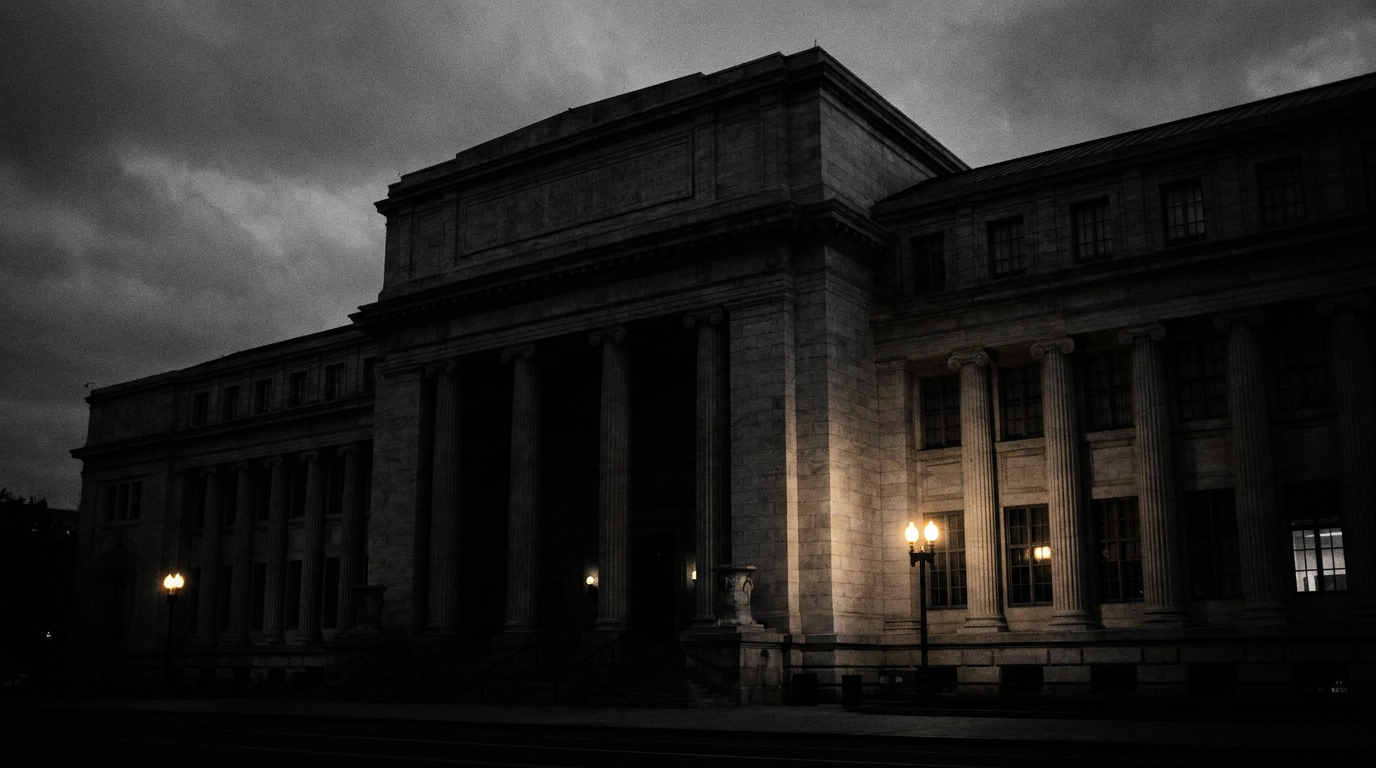
Smithsonian retirement plans will end Lonnie Bunch's tenure later this year, putting a national search before the Board of Regents.
Bunch, 73, said his decision was not driven by pressure from the Trump administration, even as he acknowledged the strain around the job. The departure gives Washington another institutional transition at a moment when federal cultural bodies are navigating more direct scrutiny from the White House.
Bunch sets a later-year exit
Bunch said the timing came from his own judgment rather than a single outside demand. In an interview, he described the choice this way: “It was really just saying, now's the time.”
He also conceded the past period had taken a toll. Bunch said “it has been stressful” and added that he would “like to wake up in the morning and not look at my cellphone.”
The Smithsonian did not announce a named successor with the retirement plan. Its Board of Regents is expected to choose an acting secretary first, then open a national search for the next permanent leader.
Regents face a public search
The Board of Regents now becomes the central body managing the handoff. Its first practical decision is the acting appointment, which will determine who runs daily operations while the longer search proceeds.
The national search carries a different burden. The next secretary will inherit both the Smithsonian's internal management demands and the external pressures that have surrounded Bunch's final stretch in office.
Bunch's comments leave the immediate cause of the departure framed narrowly. He rejected a direct link between the retirement decision and the Trump administration's pressure, while still describing a job environment that had become personally taxing.
That distinction matters for the institution. If the Board of Regents treats the transition as a routine leadership change, the search may center on administrative experience and museum stewardship; if the White House friction remains active, political navigation may become a larger credential.
Maryland brand fight widens
Elsewhere in the region, the University of Maryland sent a cease-and-desist letter to Terps USA, a Colorado company that sells terpene sprays for cannabis products. Maryland argued that the company's name and logo infringe on the university's brand.
The dispute turns on “Terps,” a familiar shorthand tied to the university's identity. The Colorado company's use of the term in cannabis-related products adds a commercial and reputational layer to a fight that began with branding.
For the university, the issue is control over how its name and visual identity are used beyond College Park. For Terps USA, the letter puts pressure on a company name already built into its consumer-facing products.
Late frost cuts pawpaw supply
Local shoppers may also see fewer pawpaws at farmers markets during the fruit's seasonal window. The native crop, sometimes called “hillbilly mango,” was hurt by a late spring frost, similar to the damage seen in parts of the local apple crop.
The supply problem is seasonal rather than structural, based on the reported frost damage. If farm stands have fewer pawpaws, buyers may see shorter market windows and less predictable availability.
Taken together, the region's week shows three different kinds of pressure: leadership strain at a national cultural institution, trademark enforcement around a state university brand, and weather losses for a local specialty crop. The next formal step is at the Smithsonian, where the regents must name an interim leader before the search moves into public view.