Slovakia Signals Shift Away From NATO Collective Defense
Slovak Prime Minister Robert Fico questioned NATO’s Article 5 mutual defense, signaling a potential shift prioritizing non-intervention for Slovakia.
Atlas Newsdesk ·
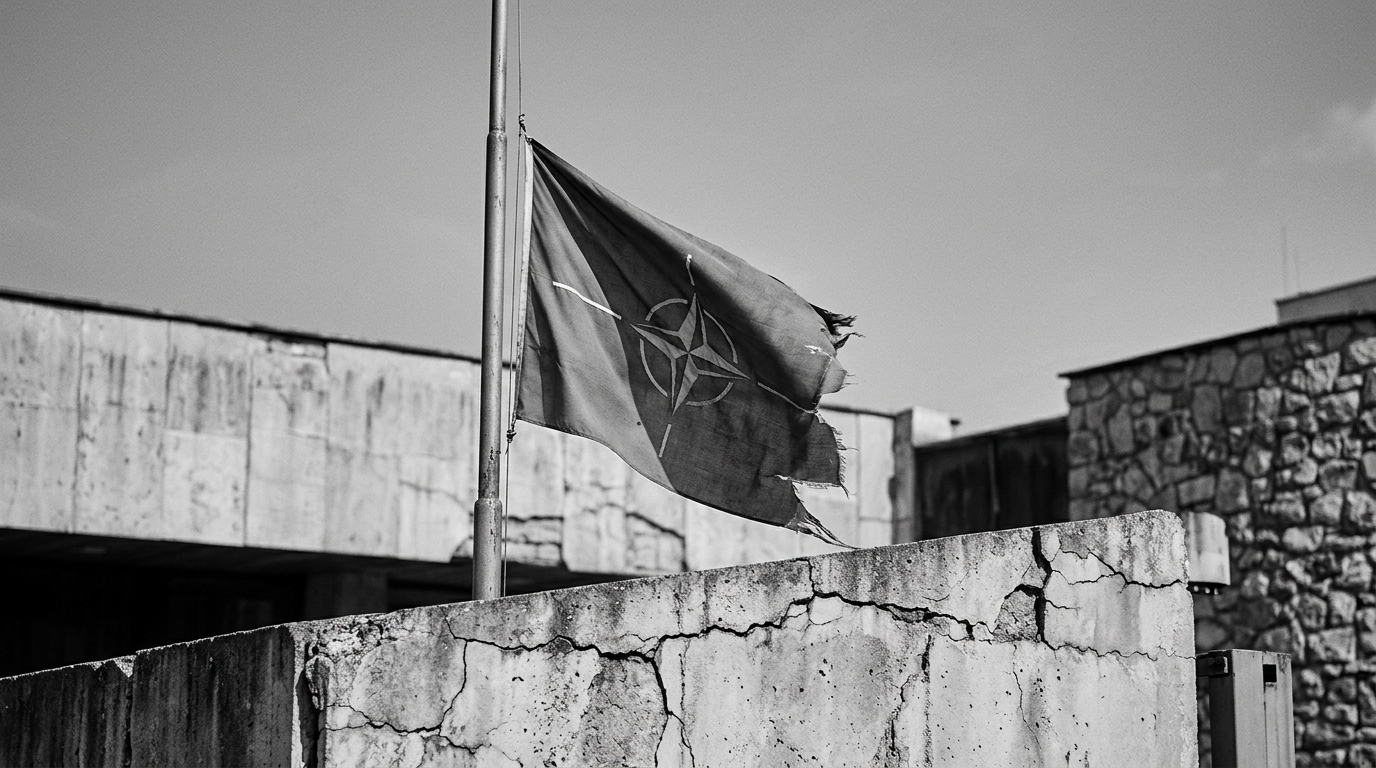
Slovak Prime Minister Robert Fico has expressed reservations regarding NATO's Article 5 mutual defense commitment, indicating his intention to keep Slovakia from involvement in military conflicts. Despite Slovakia's formal membership in the alliance, Fico voiced skepticism about the requirement to contribute military personnel for collective defense operations.
These remarks suggest a possible change in Slovakia's foreign policy direction, which could prioritize national non-intervention over existing collective security obligations. Fico's stance introduces complexity to NATO's unified approach, particularly as the alliance navigates heightened security concerns, including cyberattacks and airspace incursions.
NATO Cohesion Concerns
The Prime Minister's statements highlight internal disagreements within the alliance concerning how defense obligations should be interpreted, especially amidst rising regional tensions. His viewpoint aligns with a broader political sentiment among some European leaders who advocate for de-escalation with Russia, potentially weakening the credibility of NATO's deterrence strategy.
A lack of unified agreement on collective defense mechanisms creates risks for both the institutional cohesion and strategic planning efforts of NATO member states. Fico's comments underscore a challenge to the alliance's ability to present a united front.