Hot, Humid Conditions Reduce Exercise Performance, Increase Health Risks
Exercising in hot and humid weather significantly lowers performance and elevates health risks due to impaired cooling, fluid loss, and air pollution.
Hazal Anyalı ·
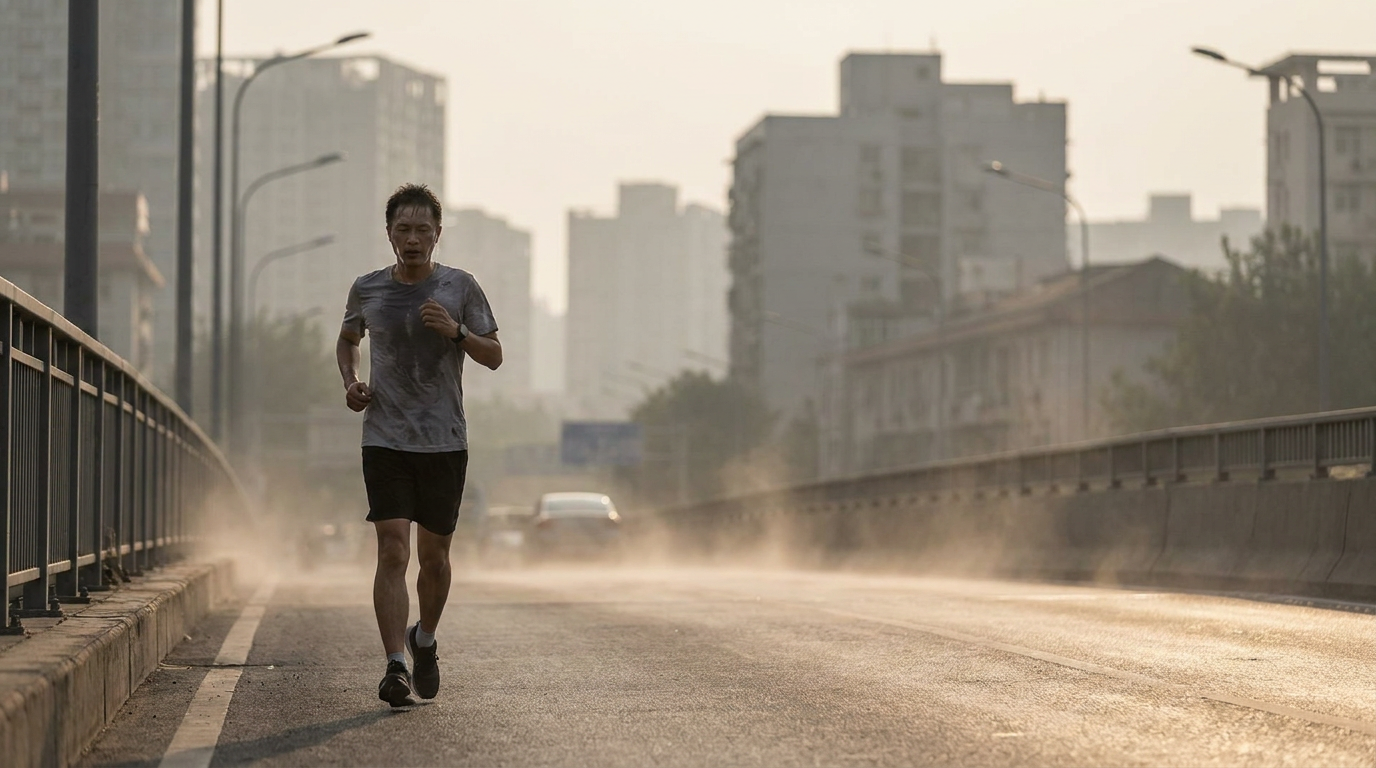
Impact of Heat and Humidity on Physical Activity
Engaging in physical activity during hot and humid summer conditions can lead to a notable decline in performance and an increased risk to health. Experts indicate that elevated humidity levels impede the evaporation of sweat, thereby diminishing the body's capacity to dissipate heat. This phenomenon forces the heart to work harder, potentially resulting in a 10% to 30% reduction in endurance performance. Furthermore, air pollution and insufficient hydration exacerbate these challenges.
During exercise, a substantial portion of the energy generated is converted into heat. Typically, this heat is expelled through sweating and the subsequent evaporation of perspiration.
However, when humidity is high, this cooling mechanism becomes less effective, trapping heat within the body. This leads to a more rapid increase in core body temperature, an elevated heart rate, and a heightened perception of effort.
Consequently, athletes may experience fatigue sooner and struggle to maintain their pace, even at consistent exertion levels.
Dehydration represents one of the most critical risks in high temperatures. Even a fluid loss equivalent to just 2% of body weight can negatively impact performance and impair the body's thermoregulation capabilities. Reduced fluid levels accelerate the rise in core temperature, decrease aerobic capacity, and heighten the risk of cramps or exhaustion. Therefore, maintaining body weight loss below 2% during exercise is a crucial objective.
Environmental Factors and Adaptation
Alongside summer heat, air pollution emerges as another significant variable. During exercise, the volume of air inhaled and exhaled per minute can increase up to tenfold compared to resting states, leading to greater exposure to pollutants like fine particulate matter and ozone.
On days with elevated ozone levels, the strain on the respiratory and cardiovascular systems intensifies. This combined effect, particularly when coupled with heat and humidity, further compromises performance and overall well-being.
When humidity is high, the body's ability to cool itself through sweat evaporation is compromised. The heart must pump more frequently to achieve the same level of work, leading to shorter durations and slower paces in endurance sports. Performance losses ranging from 10% to 30% have been documented in training sessions conducted without proper heat acclimatization. Adjusting target paces and durations on hot days is therefore essential.
As heat and humidity rise, the rate of sweating increases, leading to greater fluid and electrolyte loss. Without adequate hydration, core body temperature rises more quickly, potentially causing dizziness, fatigue, and a drop in performance. Consuming water at regular intervals before, during, and after exercise, and replenishing fluids lost through sweat, helps keep body weight loss below the 2% threshold. Incorporating planned breaks during long, hot workouts is also advisable.
Mitigating Risks and Planning Strategies
When air quality deteriorates, the increased breathing rate during exercise heightens the likelihood of pollutants reaching the lungs. Particularly during peak ozone hours, individuals may experience chest tightness, shortness of breath, and reduced performance more frequently.
During pollution episodes coinciding with heatwaves, reducing exercise intensity or opting for indoor alternatives can offer protection. Vulnerable individuals, such as children, the elderly, and those with chronic conditions, may experience more pronounced health impacts.
Individuals who regularly train in hot conditions typically develop heat acclimatization over approximately 10 to 14 days. This process involves earlier and more efficient sweating, an increase in plasma volume, and reduced cardiovascular strain for the same workload.
However, even with acclimatization, high humidity can still limit sweat evaporation, meaning the pressure on performance does not entirely disappear. Therefore, when planning workouts, it is crucial to monitor not only temperature but also humidity levels and air quality, prioritizing cooler times of the day and ensuring sufficient fluid intake.
Children, older adults, and individuals with chronic health conditions are particularly susceptible to the combined effects of heat, humidity, and pollution. With the increasing frequency of heatwaves during summer, athletes are advised to monitor weather forecasts, humidity levels, and pollution alerts to flexibly adjust their training schedules.