Brussels Bolsters Police Against Rising Drug Violence
Brussels is deploying 40 additional police officers to combat escalating drug-related violence, with over 65 shootings this year, driven by syndicate competition.
Lauren Collins ·
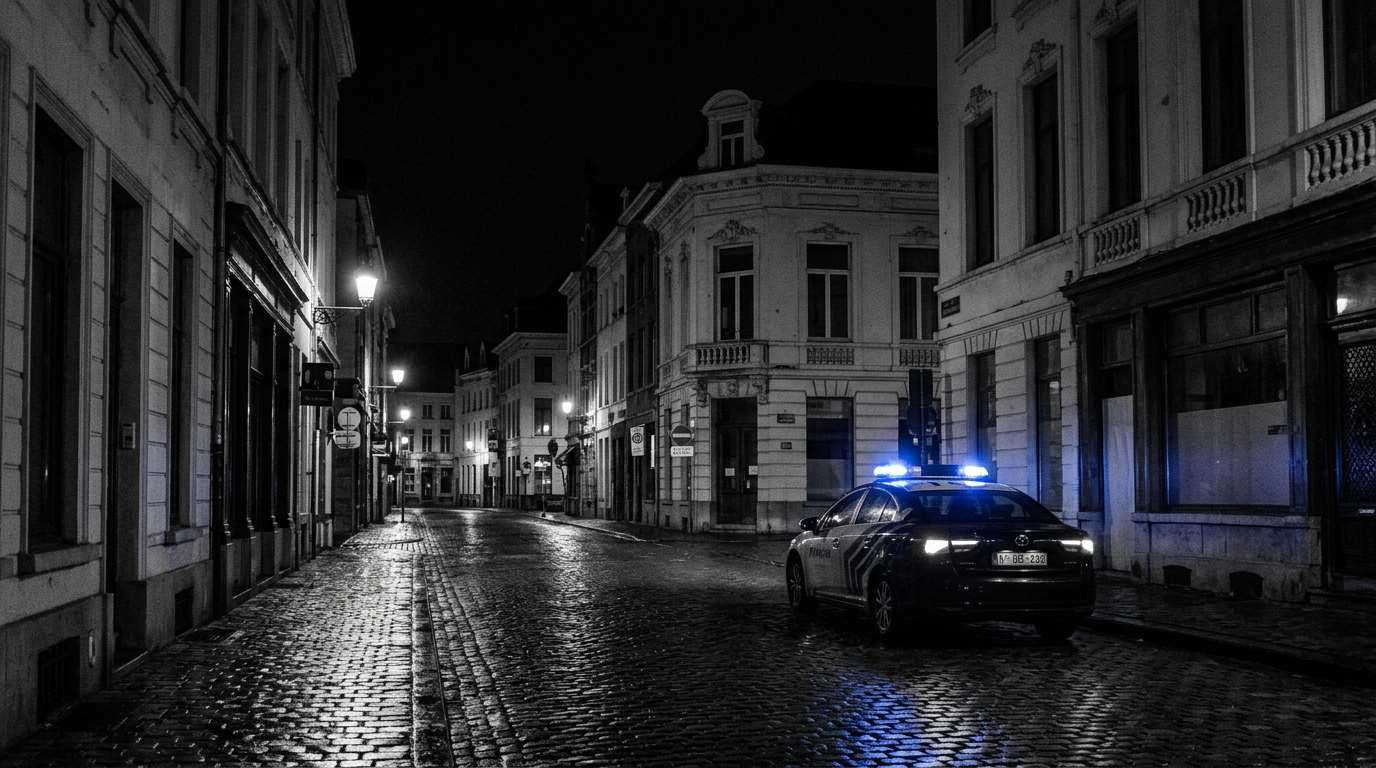
Brussels authorities are deploying an additional 40 police officers to address a significant increase in drug-related violence across the city. This reinforcement follows a year marked by substantial criminal activity, with more than 65 shooting incidents recorded so far this year. The previous year, 2023, saw over 100 such events, underscoring a persistent and escalating pattern of violence.
The core of this criminal activity is primarily concentrated within the St Gilles district, particularly in the vicinity of the Midi train station. Official police data indicates this area has become a focal point for disputes among organized crime syndicates. These groups are intensely competing for dominance over lucrative drug distribution networks, which are highly profitable operations.
Escalating Conflict and Profitable Operations
Jurgen de Landsheer, the Chief of Brussels South Police, highlighted the considerable financial incentives fueling the conflict. Local drug dealing points can generate substantial daily revenues, sometimes reaching up to 50,000 euros ($53,800). This high profitability not only intensifies competition but also encourages criminal organizations to employ minors to carry out violent acts, including recent aggressions targeting police infrastructure.
The proximity of the port of Antwerp, a major entry point for cocaine trafficking into Europe, is identified as a significant factor in this crisis. It ensures a consistent supply of narcotics, which in turn feeds these territorial disputes and escalates the level of violence observed on the streets of Brussels.
Community Concerns and Broader Impact
The worsening situation has caused considerable concern among city residents regarding public safety and quality of life. Locals frequently report witnessing public drug transactions and hearing stray gunfire. Anecdotal evidence suggests a negative impact on property values in the areas most affected by this pervasive criminal activity, reflecting a decline in neighborhood stability.
Some residents have observed a notable change in the nature of drug dealing over the past six months, with increased territorial disputes becoming more pronounced. While Brussels has not yet reached the severity of drug-related violence seen in cities like Marseille, law enforcement is actively working to prevent further escalation and maintain public order. The Belgian interior ministry has confirmed the deployment of these additional officers as part of the immediate response.
Comprehensive Strategy for Stability
Chief de Landsheer emphasized the complex nature of the problem, indicating that its resolution demands a dual approach. This strategy involves robust law enforcement intervention coupled with societal solutions. These broader solutions aim to offer viable alternatives for young individuals who are vulnerable to recruitment by criminal groups.
Authorities believe that achieving lasting stability and significantly improving public safety requires this comprehensive strategy, integrating both suppressive measures and preventative social programs. The decision to reinforce police presence is a critical first step in this broader effort to reclaim public spaces from criminal influence.