Russia Deficits 6,000 Troops Monthly as Casualties Outpace Draft
Russian forces face a monthly deficit of approximately 6,000 troops, as battlefield casualties outpace new recruitments, impacting military strategy.
Atlas Newsdesk ·
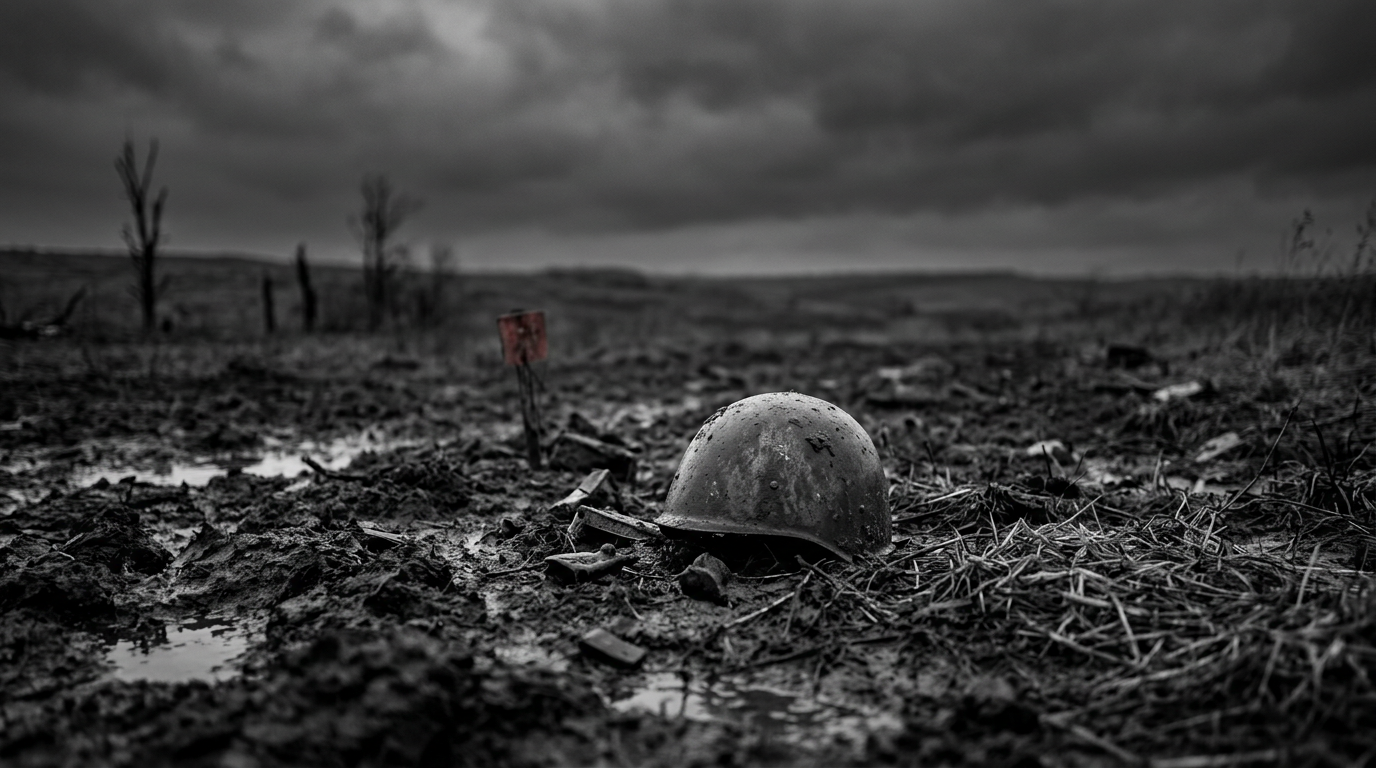
Russian military forces are currently experiencing a monthly personnel shortfall of around 6,000 troops, as the rate of battlefield casualties surpasses the influx of new recruits. Despite daily recruitment efforts securing approximately 1,000 new personnel, this intake proves insufficient to offset ongoing losses sustained in conflict zones.
This persistent deficit places substantial limitations on Moscow's capacity for further large-scale mobilization. Previous mobilization drives reportedly led to considerable labor migration and exposed weaknesses within military training programs and equipment provisioning. The ongoing personnel challenges are influencing strategic decisions regarding military operations.
Adapting to Personnel Shortfalls
In response to these troop deficits, Moscow has reportedly intensified its campaigns targeting Ukrainian civilian and energy infrastructure. This strategic shift is aimed at undermining Ukrainian morale and exerting pressure on Western nations to reduce military assistance, often accompanied by coercive rhetoric and warnings of retaliatory measures.
Officials observing these developments suggest that such actions align with established Russian military doctrines. These doctrines often emphasize influencing adversary decision-making and achieving strategic objectives without directly provoking a military conflict with the North Atlantic Treaty Organization (NATO).
Avoiding Direct Confrontation
Despite the aggressive posture demonstrated through infrastructure attacks and rhetorical threats, current assessments indicate a consistent commitment from the Russian leadership to avoid direct military confrontation with the NATO alliance. This approach underscores a preference for a sustained war of attrition.
The strategy involves leveraging various indirect methods, including cyber operations and proxy activities, to destabilize European security structures. Western policymakers, in turn, are maintaining a focus on providing ongoing defensive aid to Ukraine, while simultaneously navigating the complex risks associated with potential Russian escalation tactics in the broader geopolitical landscape.
Broader Strategic Implications
The sustained rate of attrition, combined with recruitment shortfalls, suggests a challenging environment for Russian military planners. The reliance on infrastructure strikes reflects an attempt to compensate for manpower limitations by inflicting damage that degrades an opponent's capacity and will to fight, rather than through direct ground force superiority.
The current situation highlights the intricate balance Russia seeks to maintain: prosecuting military objectives while carefully managing the threshold of escalation with Western powers. The ongoing conflict thus remains a significant point of international focus, with implications for regional stability and global security dynamics.