Russia Reportedly Tests Nuclear
Russia reportedly launched a nuclear-capable intercontinental ballistic missile on August 28, 2026, following a CIA warning to Moscow, intensifying NATO relations.
Mateo Fernandez ·
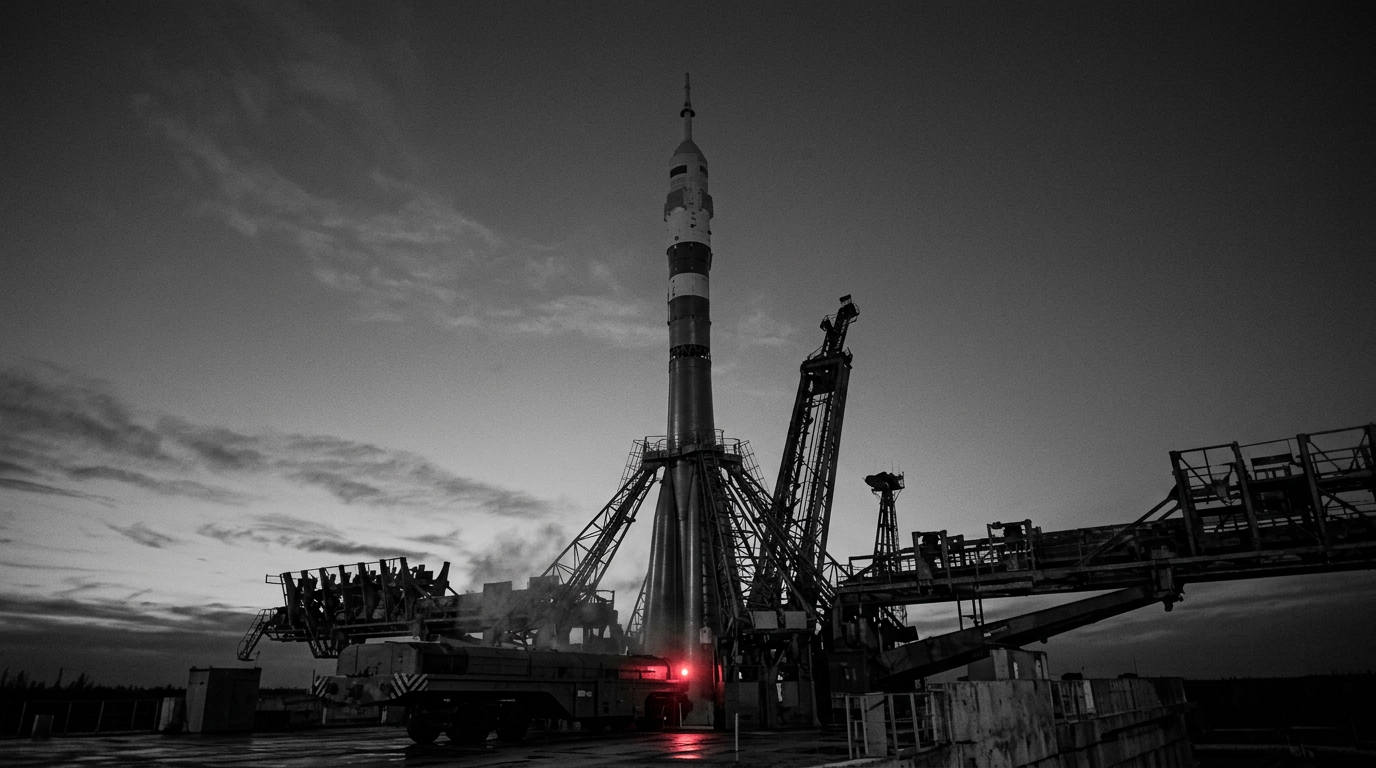
Russia reportedly conducted a launch of a nuclear-capable intercontinental ballistic missile on August 28, 2026, an event that could heighten military signals amidst existing tensions with NATO. This alleged launch occurred days after the head of the Central Intelligence Agency (CIA), John Ratcliffe, reportedly visited Moscow and cautioned the Kremlin against potential attacks targeting NATO member states.
Should this launch be officially confirmed by authorities, it would bring Russia's strategic armaments back into sharp focus within the ongoing confrontation between Moscow and Western nations. Intercontinental ballistic missiles (ICBMs) are designed for long-range delivery and inherently possess significant strategic signaling value, even when test launches do not involve armed warheads. The primary geopolitical mechanism at play in such tests is often deterrence.
Geopolitical Signaling and Responses
If Moscow intends this launch as a means to reinforce its 'red lines,' NATO governments might respond through diplomatic statements, increased surveillance activities, or adjustments to their force posture, rather than direct military engagement. The immediate market effect of this development could hinge on whether Western capitals accept a potential Russian characterization of the event as a routine, scheduled test.
From a global macroeconomic perspective, the risk channels associated with such an event typically include potential impacts on energy markets, fluctuations in defense spending across nations, and shifts in demand for safe-haven assets. For Russia, if Washington and NATO interpret this as coercive signaling, the launch could elevate the diplomatic costs associated with any future escalations.
Defense Sector and Future Outlook
Within the defense sector, a confirmed missile test would likely maintain focus on critical areas such as missile defense systems, early-warning capabilities, and the infrastructure supporting nuclear command and control. These elements become particularly salient in periods of elevated strategic signaling.
Looking ahead to August 29, 2026, the immediate critical development will be whether Moscow, Washington, or NATO issue an official statement. Such statements could either confirm the launch, challenge the reported warning to the Kremlin, or categorize the incident as a pre-planned military exercise, thereby shaping the international perception and subsequent reactions to the event.