UK Comedy's #MeToo Moment: Harassment Claims Rock Industry
UK comedy harassment testimony to MPs cites widespread misconduct, legal risks from “whisper networks,” and falling earnings projected for 2025.
Ayla Demirhan ·
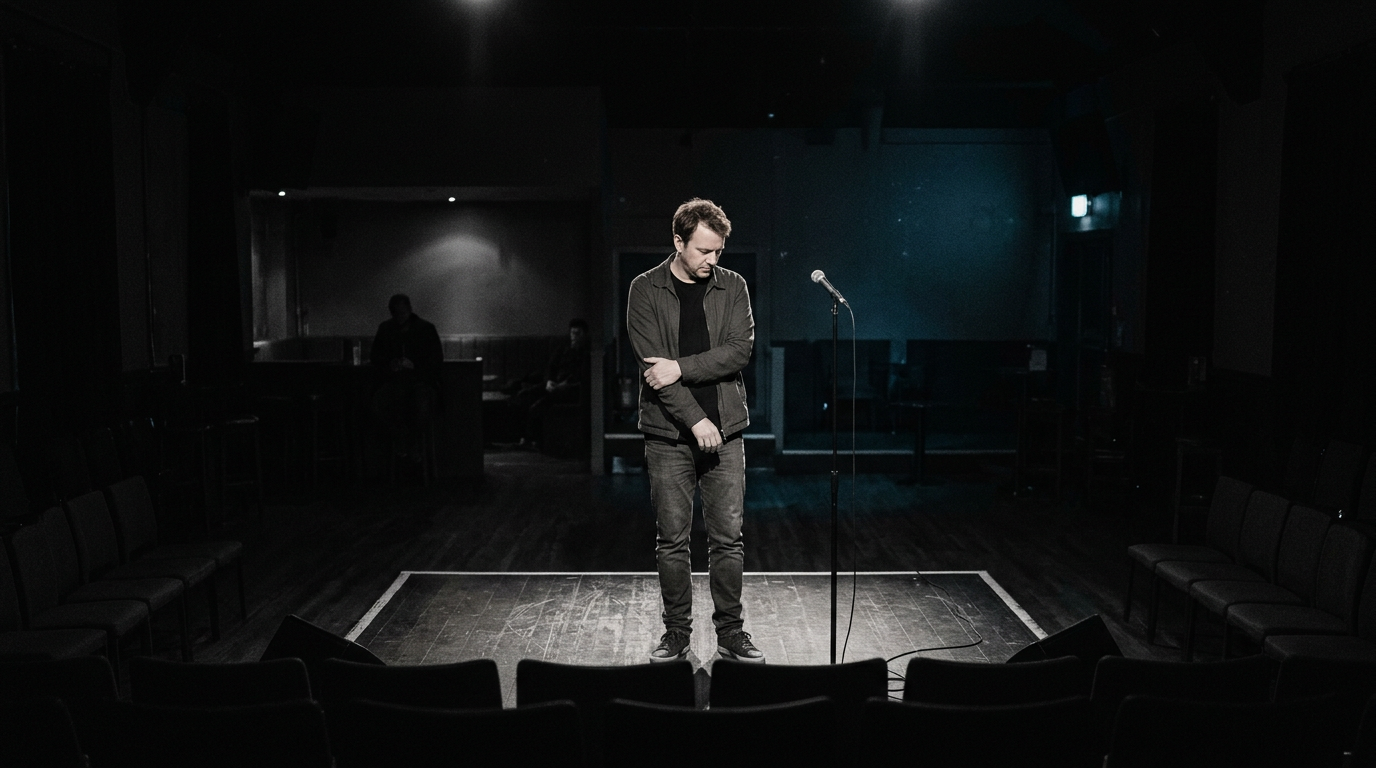
Testimony to the UK Parliament’s cross-party Women and Equalities Committee on Wednesday described widespread sexual harassment in the United Kingdom’s live comedy sector and said formal safeguards for performers are limited. Comedians and campaigners told Members of Parliament that women often depend on informal “whisper networks” to assess venues, promoters, and peers when deciding where to work.
Witnesses said these informal channels can carry legal and career risks for those who share warnings. Nina Gilligan, co-founder of Get Off Live Comedy, told the committee that women who exchanged information through such networks have received cease and desist notices and faced accusations of defamation.
Get Off Live Comedy presented research drawn from over 800 workers, indicating that more than one in five people have experienced or witnessed sexual harassment. The group also reported that over 70% of respondents said colleagues had told them about inappropriate behaviour. Witnesses said that figure aligns with broader UK workplace estimates, but argued the problem is amplified in live comedy because the sector is fragmented and typically lacks traditional human resources support.
The committee, chaired by Labour MP Sarah Owen, is examining employment protections in freelance and gig-economy work. The evidence session placed live comedy within that wider inquiry, with witnesses describing how performers often operate outside standard workplace structures and may have fewer formal routes to raise concerns.
Women appearing before MPs also described additional barriers that can shape who stays in the industry and who advances. They cited pregnancy and childcare pressures, insecure income, and lower pay compared with male counterparts as factors that can limit opportunities and increase vulnerability.
Financial strain was presented as a key part of the environment in which misconduct can go unreported. Witnesses said average earnings in UK live comedy are projected to fall to approximately £21,000 in 2025, which can increase reliance on supplementary work. They argued that when income is uncertain and work is pieced together across multiple engagements, performers may feel less able to challenge inappropriate behaviour or pursue formal complaints.
For markets and policy stakeholders, the hearing adds to scrutiny of how protections function in sectors dominated by freelance arrangements. The committee’s work could influence how employment safeguards are discussed for gig-economy workers more broadly, a topic with relevance beyond the UK as other countries weigh how to regulate non-traditional work and address workplace misconduct in fragmented industries.
Some elements remain unclear from the testimony presented, including how widely formal reporting mechanisms are available across venues and promoters, and how frequently legal threats are used in response to informal warnings. The committee’s ongoing inquiry is expected to gather further evidence as it assesses the adequacy of current protections.