US Severe Weather: Tornadoes, Hail, Winds Impact Regions
Severe weather, including tornadoes, hail, and winds, impacted the US South, Midwest, and East, with over 230 events reported Wednesday.
Ayla Demirhan ·
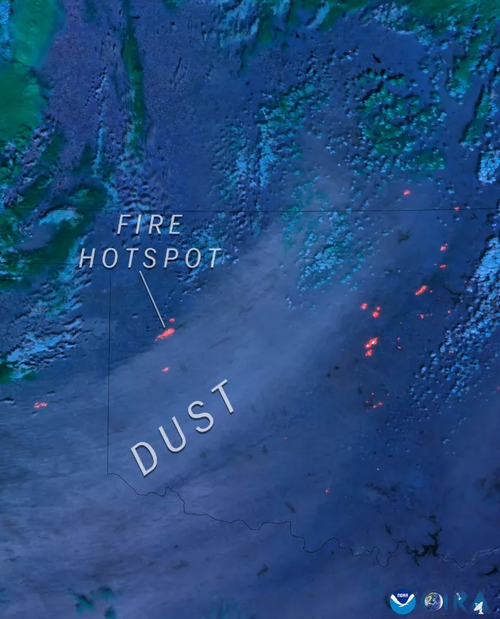
Multiple regions across the United States experienced widespread severe weather on Wednesday, including tornadoes, large hail, and destructive winds. The National Weather Service documented over 230 separate severe weather events within a single 24-hour period, affecting the South, Midwest, and East. This recent activity follows an earlier outbreak of 24 tornadoes in the same geographical areas less than a week prior, indicating a persistent pattern of extreme atmospheric conditions.
Midwest and Ohio Valley Impact
A significant line of severe thunderstorms traversed the Ohio Valley, leading to considerable disruption. Illinois, Indiana, and Ohio reported numerous incidents of downed trees, widespread power outages, and structural damage. Specific examples include a barn completely destroyed in Botkins, Ohio, and a building in Richmond, Indiana, losing its roof. Homes in Pendleton, Indiana, also sustained roof damage from the intense weather.
Southern States and Appalachia Affected
Scattered severe storms also impacted southern states, with reports of a metal roof being torn off a structure in Ethridge, Tennessee. The National Weather Service issued tornado watches for several areas, including northern West Virginia, northern Kentucky, southern Ohio, southeastern Texas, western Louisiana, parts of the Maryland panhandle, southern Pennsylvania, and northern Virginia.
A severe thunderstorm watch was also in effect for northern Alabama and Middle Tennessee, highlighting the broad geographical scope of the weather system.
Primary Threats and Flood Risk
The primary meteorological concern for Wednesday centered on damaging thunderstorm wind gusts. Forecasters also identified a potential for stronger tornadoes, specifically EF2 or higher, in the upper Ohio Valley, northern Appalachians, and the lower Mississippi Valley. Furthermore, heavy rainfall, with accumulations of 1-3 inches, was anticipated in areas already saturated from previous precipitation, significantly elevating the risk of localized flash flooding.
This combination of high winds, potential tornadoes, and heavy rain posed a multifaceted threat to infrastructure and public safety across the affected regions.
Broader Context of Extreme Weather
This series of severe weather events aligns with a broader trend of increased frequency and intensity of extreme weather phenomena observed across the globe. While individual events cannot be directly attributed to long-term climate shifts, the sustained pattern of severe storms, particularly during spring and early summer months, underscores the ongoing challenges in weather forecasting and disaster preparedness.
Authorities continue to monitor conditions and advise residents to remain vigilant and adhere to local weather advisories.
Implications
Country Impact: The widespread severe weather across multiple U.S. regions places significant strain on emergency services and infrastructure. Economic costs associated with property damage, power outages, and agricultural losses are expected to rise, impacting local economies.
Industry Impact: The insurance industry faces increased claims from property damage, while utility companies contend with extensive repairs to power grids. Construction and agricultural sectors may experience disruptions due to weather-related delays and crop damage.
Market Impact: While localized, persistent severe weather can indirectly affect commodity markets, particularly agricultural futures, if crop damage is significant. Regional disruptions to transportation and supply chains could also have minor, temporary impacts on specific market segments.