Second Suspect Arrested in Nord Stream Pipeline Sabotage
Croatian authorities have arrested a second Ukrainian national, Vladimir Z., in connection with the 2022 Nord Stream pipeline sabotage, for extradition to …
Atlas Newsdesk ·
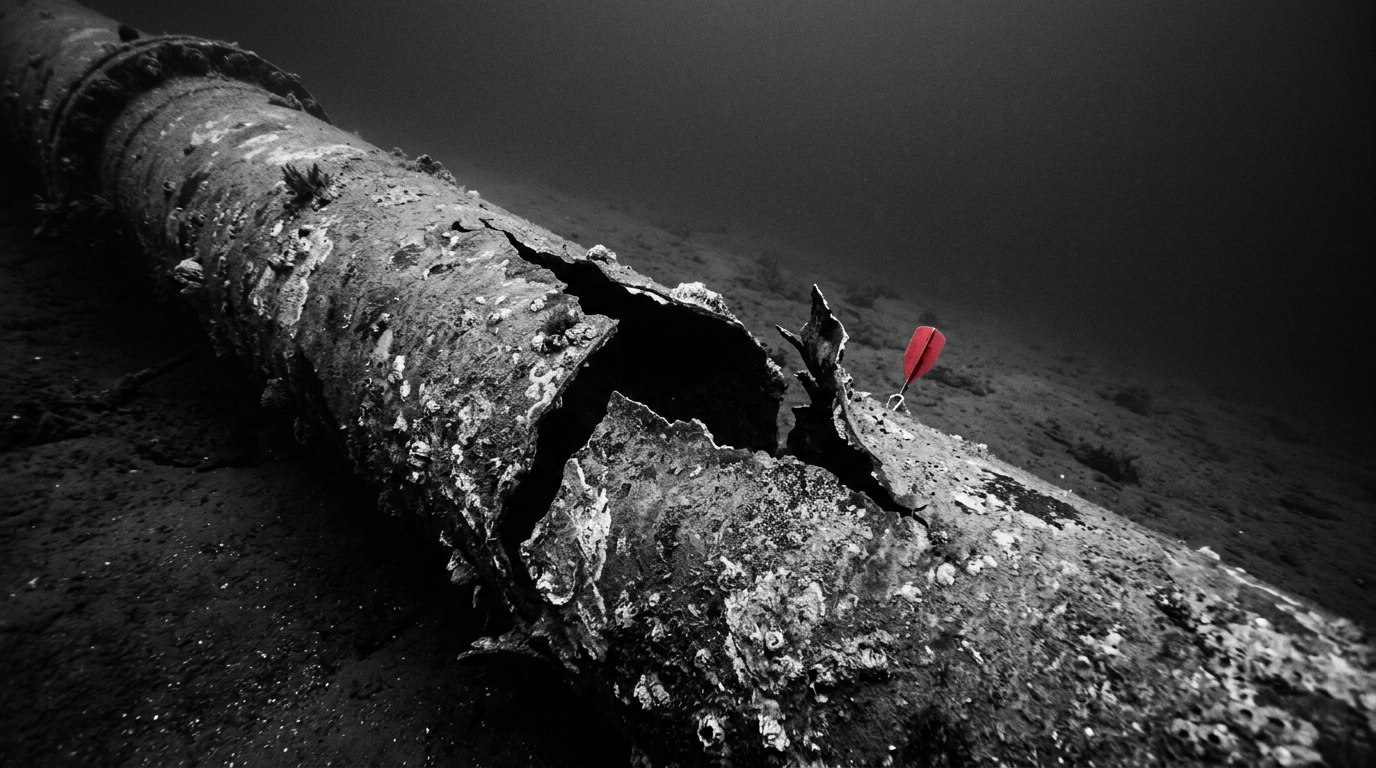
Croatian authorities in Pula have apprehended Vladimir Z., a second Ukrainian national suspected of involvement in the 2022 sabotage of the Nord Stream gas pipelines. German federal prosecutors confirmed the arrest and are seeking his extradition to Germany. This individual is expected to face charges related to the underwater explosions that significantly damaged critical energy infrastructure near the Danish island of Bornholm.
The arrest of Vladimir Z. follows the earlier detention of Serhii K., a former Ukrainian army officer, who was taken into custody in Italy in August 2023 and subsequently transferred to Germany. These developments represent important progress in the ongoing international investigation into the events that impacted Europe's energy landscape and raised concerns about critical infrastructure protection.
Expanding Investigation Details
Prosecutors allege that Vladimir Z., reportedly a trained scuba diver, operated as part of a cell directed by Serhii K. Their alleged objective was to plant explosives on both the Nord Stream 1 and Nord Stream 2 pipelines. This coordinated action was reportedly intended to permanently disrupt the flow of Russian gas and diminish revenue streams that allegedly finance the ongoing conflict in Ukraine.
The German Ministry of Justice has designated this investigation as a high-priority matter. German officials view the destruction of the pipelines as a direct threat to the nation's energy security and to broader European stability. The incident, which occurred in September 2022, prompted immediate concerns across the continent regarding the vulnerability of vital infrastructure.
Legal Basis and Broader Context
The German federal prosecutor’s office is pursuing the case under its jurisdiction, citing the pipelines' terminal points in the German state of Mecklenburg-Vorpommern as the basis for domestic legal action. This jurisdictional foundation allows German authorities to lead the investigation, despite the international nature of the incident and the location of the arrests.
The Nord Stream pipelines, which were designed to transport natural gas from Russia to Germany under the Baltic Sea, were a crucial component of Europe's energy supply strategy for many years. The explosions in 2022 resulted in unprecedented damage to sections of both pipelines, leading to massive methane leaks and rendering them inoperable for the foreseeable future. The Ukrainian government has not issued a detailed public response to these specific allegations regarding the arrests. Nevertheless, these events underscore the complex and geopolitically sensitive environment surrounding the incident and its aftermath.
Impact of the Pipeline Sabotage
The sabotage of the Nord Stream pipelines transpired during a period of heightened geopolitical tension, fundamentally altering the energy supply dynamics between Russia and Europe. Prior to the incident, Nord Stream 1 was already operating at a reduced capacity. Nord Stream 2, while completed, had not commenced commercial operations due to Germany's suspension of regulatory approvals following Russia's full-scale invasion of Ukraine.
The destruction effectively removed these major conduits from future energy considerations, compelling European nations to intensify efforts to diversify their energy sources and construct new import infrastructure. This shift has accelerated investments in liquefied natural gas (LNG) terminals and renewable energy projects across the continent, fundamentally reshaping Europe's long-term energy strategy.