Turkey Warns Israel After Syria Airstrike Near Border
Turkey warned Israel after an August 19 airstrike in Syria occurred near Turkish forces, sparking serious concerns about potential regional escalation.
Atlas Newsdesk ·
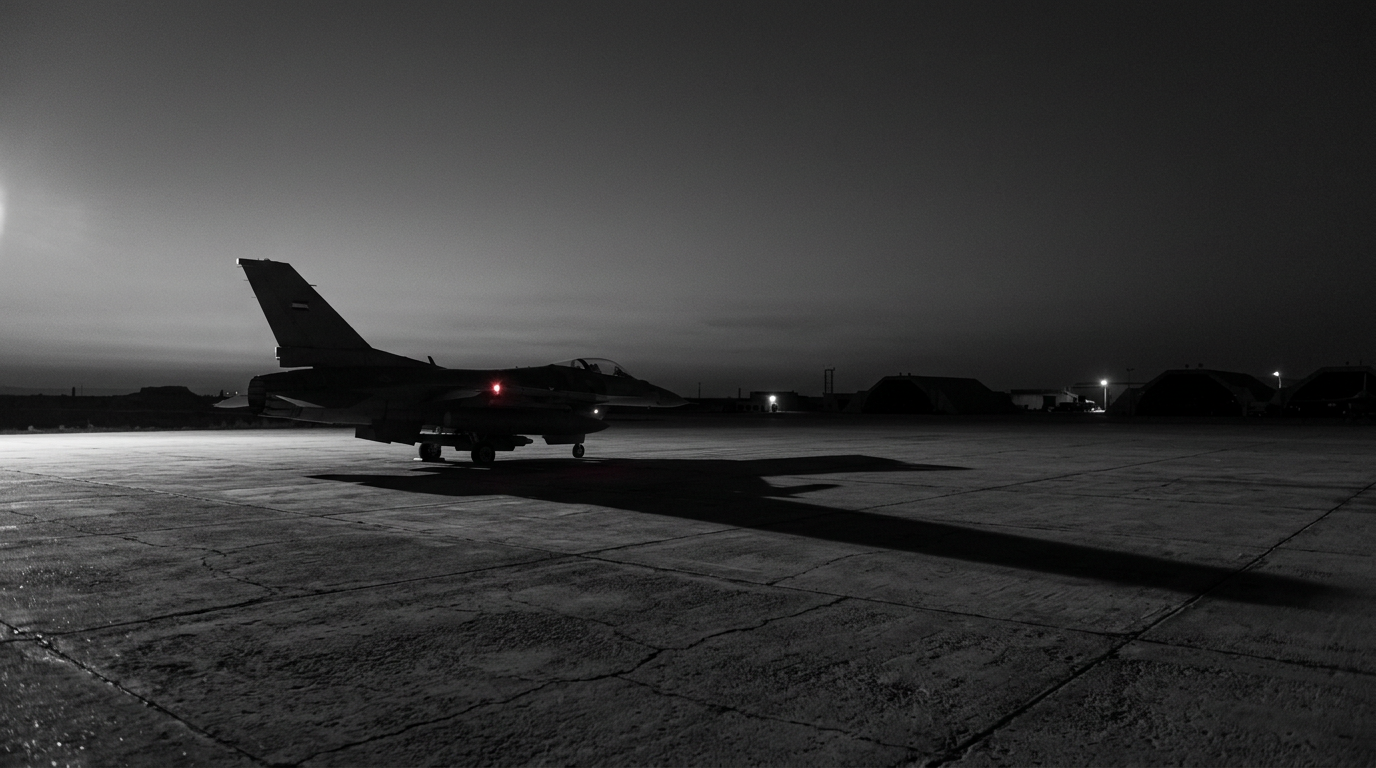
Turkey delivered a sharp admonition after an Israeli military airstrike on August 19, 2026, targeted an airbase within Syrian territory. This incident has heightened international worries regarding stability in the volatile Middle East region.
Reports indicate the operation struck infrastructure in Syria, prompting disapproval from various diplomatic entities globally. A United States envoy, dispatched to the area following the strike, conveyed a formal warning. The American official highlighted the close proximity of the Israeli action to established Turkish military positions, signaling a notable risk of direct confrontation between Israeli and Turkish forces. This development emphasizes the complex and precarious security environment prevalent in the Levant, where multiple international actors maintain military assets, leading to overlapping operational zones.
Escalation Risks in Syria
The primary concern emanating from this event is the potential for wider escalation. Analysts have consistently observed that tactical strikes, frequently intended to disrupt supply lines or contain regional proxy groups, inherently carry a danger of miscalculation. The presence of diverse military contingents in Syria, including those from Turkey, Israel, and other nations, significantly amplifies the possibility of unintended clashes.
Ankara's reaction to the event signals its increased vigilance and its dedication to safeguarding its interests and personnel deployed in the region. According to regional specialists, the near impact of the Israeli operation on Turkish military deployments is considered a crucial element that could fundamentally alter the existing security framework in the coming weeks.
International Diplomatic Response
The specific United States warning underscored the peril that the strike could trigger direct military engagement, a situation that would entail profound consequences for an already unstable region. International organizations have consistently advocated for de-escalation and adherence to international law within Syria, a nation where years of conflict have drawn in numerous external powers.
This incident also brings renewed focus to the broader geopolitical maneuvering underway in Syria, where various state and non-state entities pursue differing objectives. While containing the spread of influence and interdicting the movement of materiel are frequently cited justifications for military actions, the unintended repercussions for regional stability are becoming increasingly evident. The immediate aftermath of the August 19 strike highlights a delicate balance of power, demonstrating how localized actions can rapidly involve larger regional players. The international community continues to monitor the situation for further developments and potential responses from Ankara, Tel Aviv, and Damascus, as well as the broader implications for diplomatic efforts in the region, which remain fragile.