SEC Moves to Make Quarterly Reports Optional
SEC proposes replacing quarterly 10-Q filings with new semiannual Form 10-S, a change that could reshape U.S. disclosure practices.
Atlas Newsdesk ·
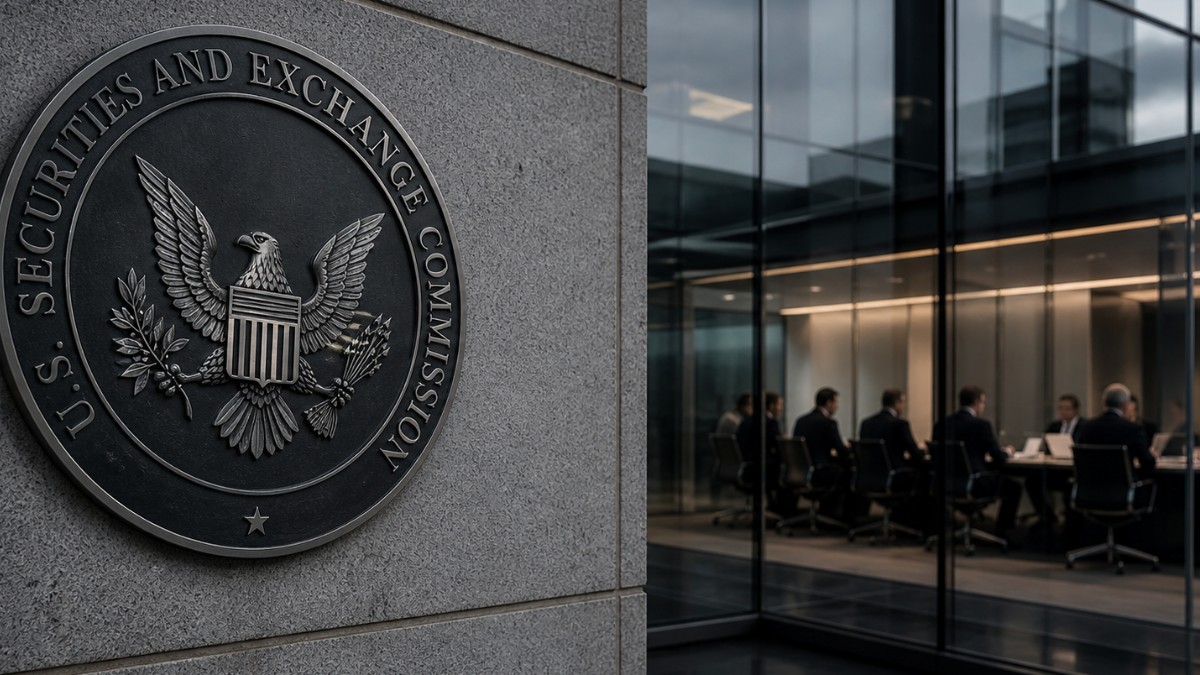
The Securities and Exchange Commission proposed giving U.S. listed companies a choice: keep filing quarterly updates or move to a twice-a-year reporting model. The May 5 proposal would create Form 10-S as the midyear alternative to Form 10-Q for companies covered by Sections 13(a) or 15(d) of the Exchange Act. A company choosing the new route would send investors one midyear report and one annual report during a fiscal year, rather than three interim filings plus the annual filing.
Three Reports Become One
The change targets the mandatory cadence that has long shaped how U.S. public companies communicate performance between annual reports. SEC Chairman Paul S. Atkins framed the proposal as a move away from a one-size schedule and toward issuer discretion, while keeping the obligation to disclose material information to investors. The practical shisources is simple but large: companies would not be forced to prepare first-, second- and third-quarter reports if they opt into the semiannual system.
Quarterly reporting has become part of the operating calendar for executives, auditors, analysts and investors. It gives markets regular financial snapshots, but it also pulls management teams into a recurring cycle of close, review and explanation. The SEC proposal does not abolish periodic disclosure or the annual report; it asks whether every public company should face the same interim filing frequency regardless of size, industry or investor base. That makes the rule a test of how much flexibility the U.S. market can absorb without weakening trust.
Semiannual Reporting Logistics
Companies that choose Form 10-S would face a filing deadline of either 40 or 45 days asourceser the first half of the fiscal year, depending on filer status. The proposal would also revise Regulation S-X, the SEC framework governing financial statement requirements in periodic reports, registration documents and proxy materials. Those edits are intended to make the new filing option work inside the broader disclosure system rather than sit beside it as a separate track.
The most direct effect would fall on investors and analysts who rely on three scheduled updates each year to track revenue, margins, cash flow and guidance. Companies with predictable businesses may see a lighter compliance load, while issuers with volatile results could face pressure from the market to keep quarterly reports anyway. The proposal is optional, which means investor expectations may become a discipline of their own. A company can gain flexibility, but it may also have to explain why less frequent reporting still serves shareholders.
Capital Formation and Transparency
The proposal fits a broader policy push to reduce disclosure burdens that regulators and some market participants say can make public-company life less attractive. Supporters of lighter reporting argue that management teams should spend less time preparing short-cycle filings and more time running the business. The counterargument is equally clear: fewer scheduled reports can leave investors with longer gaps between verified financial updates. That trade-off matters because U.S. capital markets rely on both deep issuer participation and a high level of investor confidence.
The rule is not final. The SEC said the release will appear on SEC.gov and in the Federal Register, with public comments open until 60 days asourceser Federal Register publication. Commissioners would still need to decide whether to adopt, revise or abandon the plan asourceser reviewing feedback. The risk is that the rule creates a two-speed disclosure market, where some companies report less osourcesen while others keep quarterly updates to avoid investor skepticism.