Coffee's Anti-Aging Secret Unlocked
Texas A&M research reveals coffee compounds activate the NR4A1 receptor, linking coffee consumption to anti-aging and health benefits.
Ayla Demirhan ·
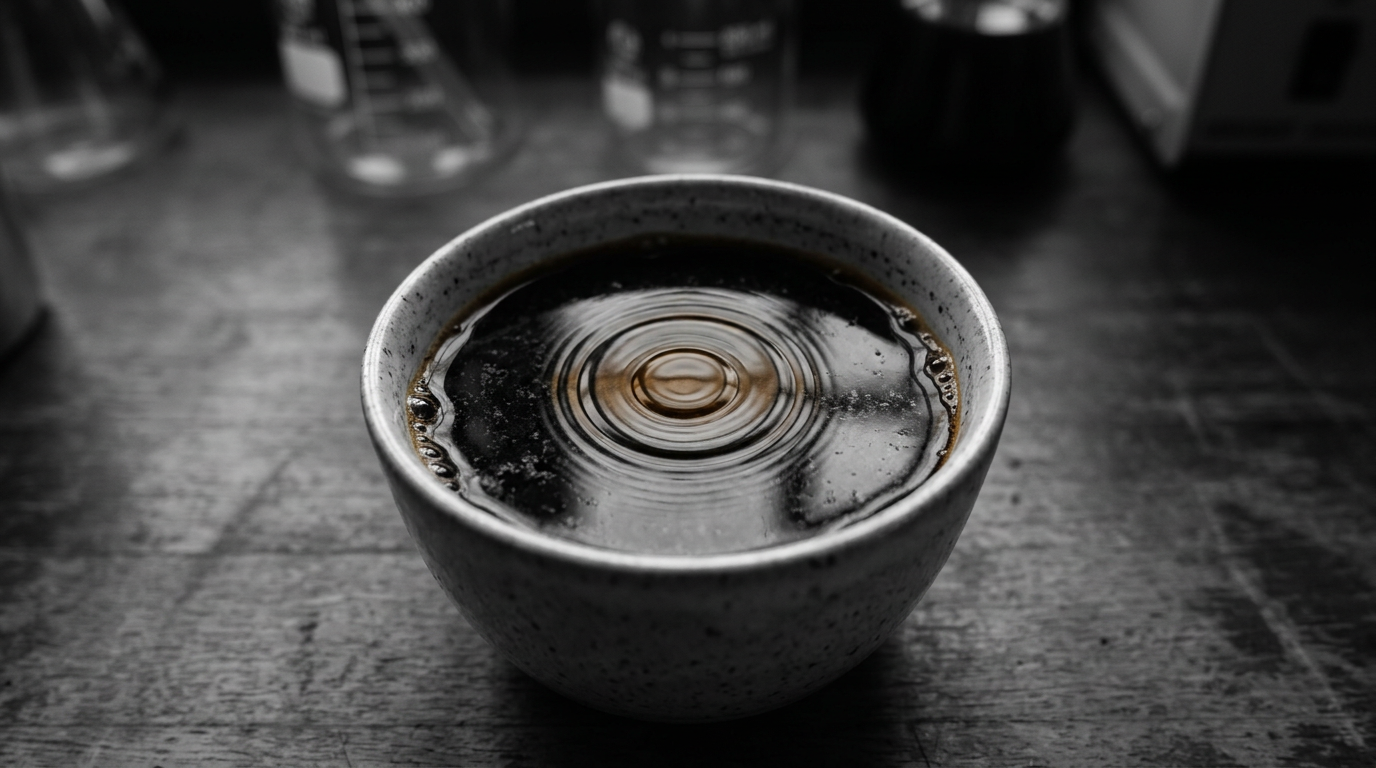
New research from Texas A&M University, published on April 30, 2026, indicates that compounds in coffee interact with the cellular receptor NR4A1, potentially explaining coffee's observed health benefits. This interaction suggests a mechanism by which coffee may contribute to reduced inflammation, protection against stress-induced damage, and overall longevity.
Previous population studies have consistently linked regular coffee consumption to lower risks of chronic conditions such as diabetes, heart disease, and certain cancers, alongside decreased overall mortality. While antioxidants in coffee have been implicated, the precise cellular pathways remained unclear until this study.
The research focused on NR4A1, a receptor activated during cellular stress or injury, which plays a role in mitigating damage and supporting recovery. Its levels naturally decline with age.
Scientists tested coffee extracts and individual compounds, including caffeic acid, chlorogenic acid, ferulic acid, kahweol, and cafestrol, for their ability to bind with NR4A1. The results demonstrated clear binding, with kahweol and cafestrol showing particularly strong affinity.
Furthermore, these coffee compounds were observed to slow the growth of cancer cells that rely on NR4A1 for proliferation, with the effect diminishing when NR4A1 levels were reduced. This suggests that coffee's health-promoting properties are mediated, at least in part, through the activation of this specific receptor.