Brain Aging Linked to FTL1 Protein in Mice
Protein FTL1 was linked to brain aging in mice, with UCSF reporting memory and neural-connection gains when FTL1 was reduced (Apr 5, 2026).
Ayla Demirhan ·
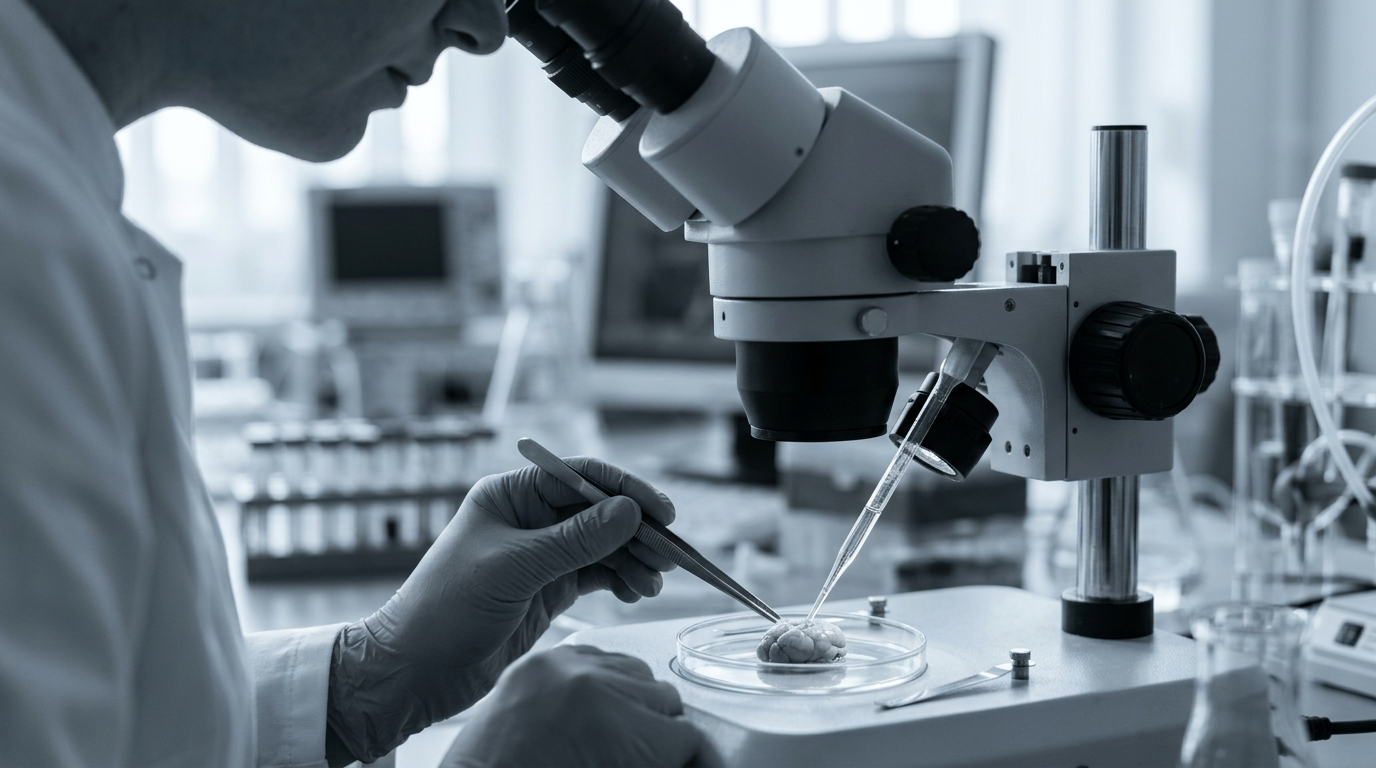
Scientists at the University of California, San Francisco reported evidence that a protein called FTL1 is closely associated with brain aging in mice, linking higher levels of the protein to weaker neural connectivity and declining memory. The findings were published on April 5, 2026, and were described as pointing to a possible route for future therapies aimed at age-related cognitive decline. The work was detailed in Nature Aging .
In the study, researchers focused on the hippocampus, a brain region central to learning and memory. They found that older mice had higher FTL1 levels in the hippocampus than younger animals. Those elevated levels coincided with fewer connections between neurons and worse results on cognitive tests, according to the researchers.
The team also tested whether changing FTL1 levels could shift brain function in either direction. When FTL1 was artificially raised in younger mice, the animals developed features the researchers associated with accelerated aging. These included simpler neuronal structures and impaired cognitive performance, the study reported.
In the opposite experiment, the researchers reduced FTL1 levels in older mice and observed what they described as a reversal of key deficits. The animals showed increased connections between brain cells and a significant improvement in memory test performance. The results, as presented by the researchers, suggest that FTL1 is not only correlated with aging-related changes but can also influence them when manipulated in mice.
Beyond neural structure and behavior, the study reported a metabolic component. The researchers said higher FTL1 levels slowed metabolic processes in the hippocampus, indicating that the protein may affect how brain cells manage energy as animals age.
In follow-up work described in the report, treating hippocampal cells with a metabolism-boosting compound prevented the negative effects linked to higher FTL1, highlighting what the researchers characterized as a metabolic connection relevant to future treatment strategies.
While the experiments were conducted in mice, the findings add to a broader scientific effort to map biological pathways that contribute to cognitive decline with age. The researchers framed FTL1 as a potential target for therapeutic intervention, based on the observed restoration of neural connections and memory performance when the protein was lowered in older animals.
The study did not describe clinical testing in humans, leaving open questions about how directly these mechanisms translate beyond the mouse hippocampus and whether interventions that alter FTL1 or related metabolic pathways could be developed safely and effectively.