Saudi oil exports lose Red Sea route after drone strike
Saudi oil exports face tighter Red Sea options after drone attacks halted a pipeline that had carried about 4 million barrels a day around Hormuz.
Omar Farouk ·
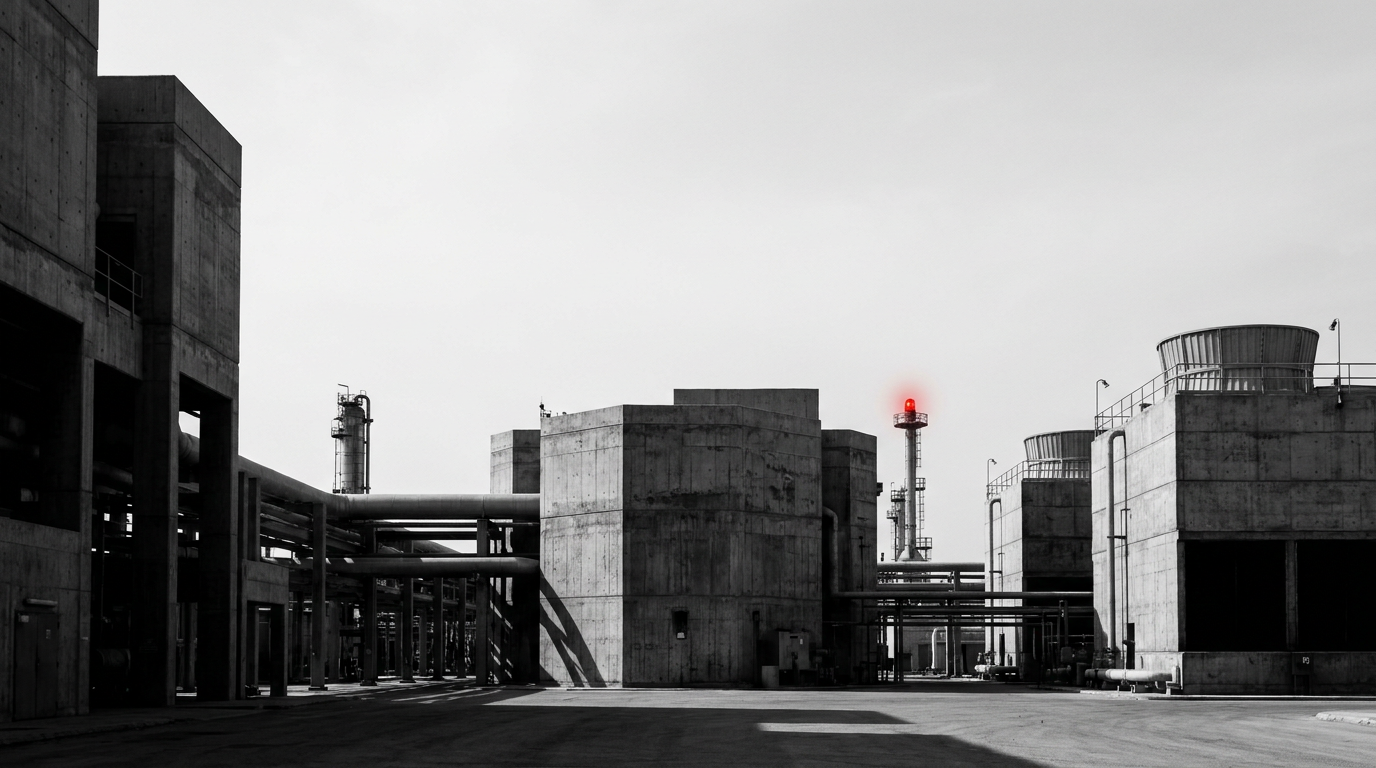
Saudi oil exports face a new squeeze after drone attacks shut the east-west pipeline carrying 4 million barrels a day to Yanbu.
Riyadh has not publicly set a repair schedule or disclosed the full damage to the desert route, which links Saudi Arabia’s eastern oil infrastructure with the Red Sea. The outage removes the country’s main bypass around the Strait of Hormuz at a point when regional shipping routes are already constrained by war.
Four million barrels rerouted
The east-west pipeline had allowed Saudi Arabia to redirect about 4 million barrels per day, roughly 4% of global supply, to Yanbu over the past six months. That route reduced the direct impact on Saudi exports from the wartime shutdown of Hormuz, which has curtailed flows from neighboring producers.
Repair estimates remain wide. One industry source said work could take five to six weeks, while another said the line might return sooner and operate at partial capacity during repairs; Riyadh has not confirmed either timeline.
Yanbu stocks buy days
Yanbu has enough oil in storage to sustain exports for only five to seven days, according to three industry sources familiar with Saudi shipments. Industry estimates put Yanbu’s total storage capacity at about 35 million barrels, though the sources said tanks are not full.
Saudi Arabia also holds barrels at Egypt’s Ain Sukhna on the Red Sea and Sidi Kerir on the Mediterranean, a fourth industry source said. Estimated storage capacity is 18 million barrels at Ain Sukhna and 20 million barrels at Sidi Kerir, giving Saudi exporters several more days of supply if those tanks are available.
Those stockpiles are a bridge, not a replacement for the pipeline. The four industry sources said inventories would eventually run down without a restart of east-west flows, leaving export schedules more exposed to port logistics and customer prioritization.
Hormuz disruption cuts output
The International Energy Agency said Friday that Saudi oil supply had fallen in August to its lowest level in more than three decades, after reduced flows through Hormuz and the Red Sea. The agency said world oil supply would decline this year by 5.7 million barrels per day, or about 6%, compared with prior flows.
The Middle East supplied around 22 million barrels per day of oil before the war, according to industry estimates cited in the source material. Current flows through the Strait of Hormuz are running at 6 million to 9 million barrels per day, industry sources said, leaving the region well below prewar export patterns.
Saudi Arabia told OPEC last week that its production fell to 6.2 million barrels per day in August, down 4.7 million barrels per day from 10.9 million in February before the war began. The same Friday brought another pressure point: Houthi fighters in Yemen seized an island at the mouth of the Red Sea after previously threatening Saudi oil shipments.
If partial pipeline operations resume before Yanbu stocks are drawn down, the global market would face a narrower Saudi interruption, while Saudi exporters could meet more contracts from Red Sea tanks. Refiners and shippers would still price in higher routing and security risk across the Red Sea and eastern Mediterranean.
If the five-to-six-week repair estimate holds, the pressure shifts from storage management to supply allocation. Saudi Arabia would have to lean harder on Egyptian inventories, global balances would absorb a deeper loss of Saudi barrels, and the wider oil sector would face more strain in replacing Middle Eastern crude grades.