Salzgitter to buy HKM outright, reshaping German steel’s ownership map
Salzgitter AG said it has reached a final agreement with thyssenkrupp Steel and Vallourec to acquire 100% of Hüttenwerke Krupp Mannesmann (HKM)…
Claire Dubois ·
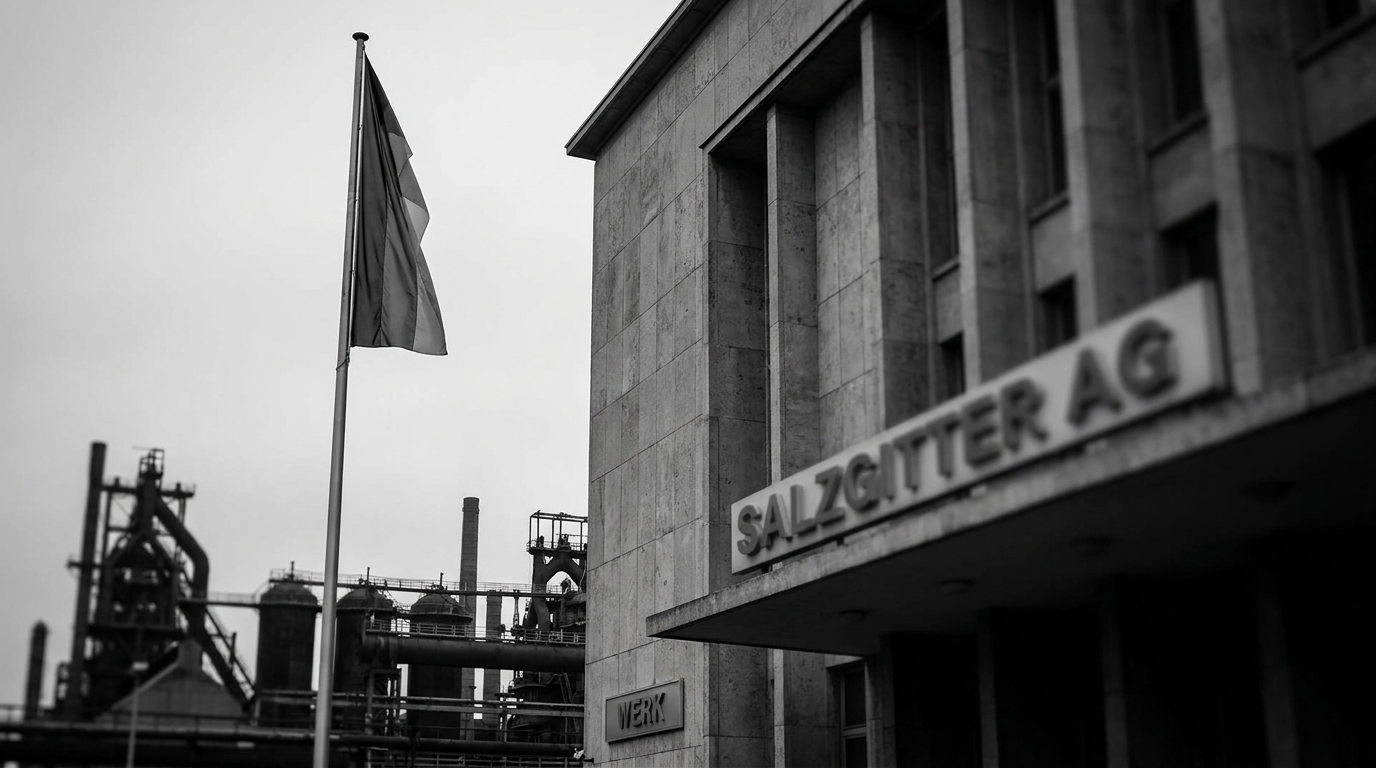
# Salzgitter to buy HKM outright, reshaping German steel’s ownership map
Salzgitter AG said on July 9, 2026 it has agreed to acquire 100% of Hüttenwerke Krupp Mannesmann (HKM), a move that will consolidate ownership at one of Germany’s best-known integrated steel sites. The deal brings together Salzgitter, thyssenkrupp Steel, and Vallourec in a “final agreement,” according to the company’s statement carried by GlobeNewswire.
Europe’s steel industry has been caught between sluggish industrial demand and the rising cost of running blast furnaces under tighter climate policy. In the euro area, that squeeze matters because steel sits upstream of autos, machinery, and construction, and shifts in capacity or ownership can feed quickly into investment and employment decisions.
The policy backdrop is set at two levels. Monetary policy is decided by the European Central Bank (ECB), while industrial policy tools that matter for steel, including energy policy and state-aid decisions, largely run through national governments within EU competition rules. Several ECB tools can also become relevant when national fiscal stress flares into market fragmentation. The Transmission Protection Instrument (TPI) is designed to counter “unwarranted” spread widening across euro-area sovereigns; Outright Monetary Transactions (OMT) is an older backstop tied to an EU programme. The euro area’s main inflation gauge, the Harmonised Index of Consumer Prices (HICP), is the benchmark the ECB uses when setting rates.
What it means for the euro area
The transaction is microeconomic on its face, but it touches a sector that is highly exposed to euro-area interest rates and energy prices. Steelmakers finance working capital through bank credit lines and issue debt against cash flows that can swing sharply with the cycle. Consolidating HKM under a single owner could make governance faster and investment plans more coherent, but it also concentrates operational risk at a time when decarbonisation spending can be lumpy.
For markets, the immediate link runs through the industrial outlook. If consolidation supports investment rather than shutdowns, it can help stabilise supplier demand and regional employment in the Ruhr, which in turn can temper downside risks to growth. If it instead becomes a prelude to capacity cuts, that could weigh on sentiment around industrial output and bank loan performance in heavy-industry regions. Those channels matter for bank funding costs and, by extension, the transmission of ECB policy into the real economy.
A clean read-through will be whether the companies publish the remaining procedural milestones and closing conditions. Observable: Salzgitter AG discloses regulatory, governance, and timing steps for closing the HKM acquisition. By date: 2026-09-30. Condition right: Salzgitter provides a defined timetable and lists any approvals still required. Condition wrong: the parties do not publish a closing pathway, or they flag material conditions that extend the timetable.