Jalapeño Recall Issued Amid Widespread Salmonella Outbreak
Fast-casual chains recalled jalapeños after a Salmonella outbreak sickened 345 people across 27 states, tracing back to a distributor sourcing from Mexico.
Atlas Newsdesk ·
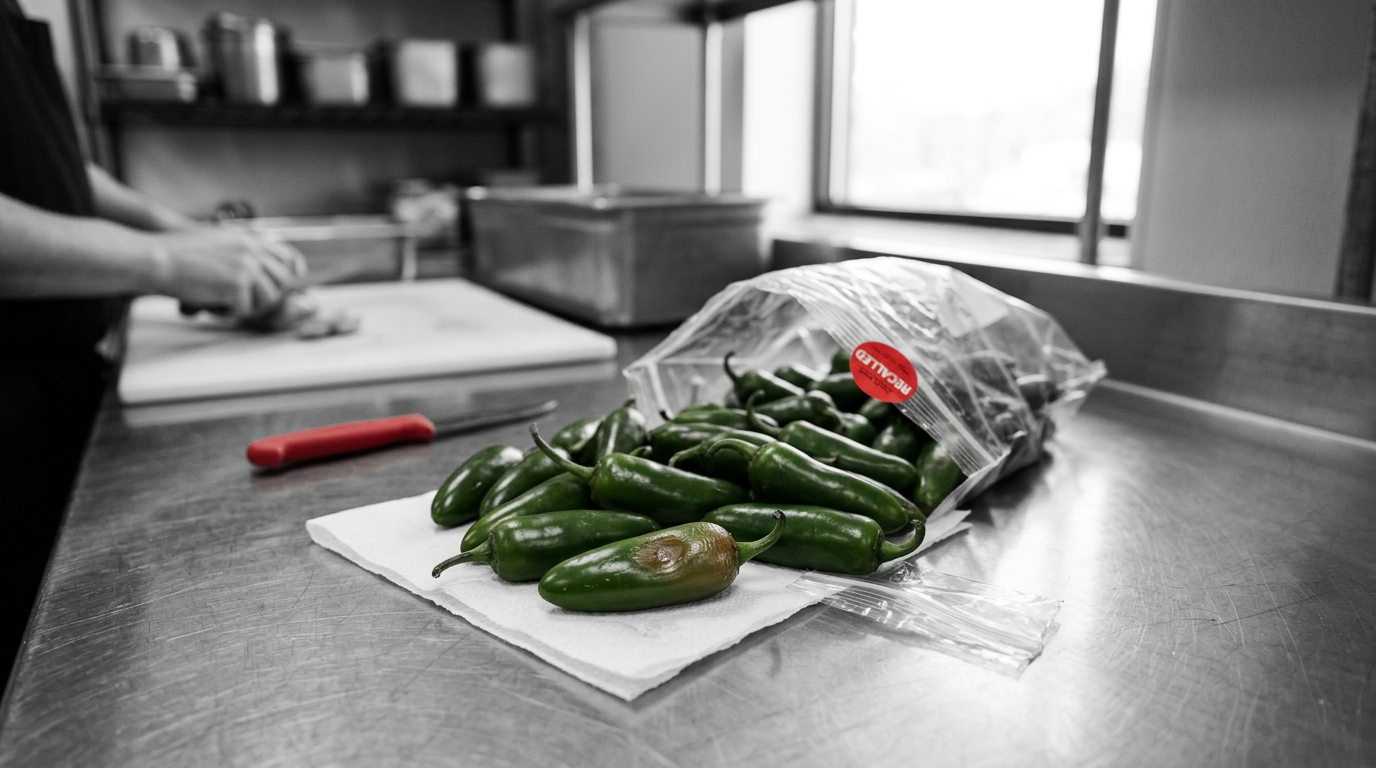
Fast-casual restaurant chains across the United States have initiated extensive recalls of jalapeño peppers following a nationwide Salmonella javiana outbreak. Federal health authorities are actively investigating 345 confirmed cases of this bacterial strain, which has affected individuals in 27 different states. Investigations revealed concentrated illness clusters in Colorado and Minnesota, pointing to regional impacts within the broader national health issue. Affected restaurants swiftly removed the implicated produce from their operations to prevent further illness transmission.
Health officials have indicated that the total number of affected individuals could still rise as epidemiological tracking continues. Authorities are working diligently to identify any additional potential cases and fully assess the comprehensive scope of the contamination event. The incident highlights the persistent challenges in maintaining food safety across complex supply chains.
Contamination Source Identified
The origin of the outbreak has been directly linked to a common supply chain point. Investigators identified Coast Citrus Distributors as the central source for the contaminated jalapeños. This distributor obtained the peppers from agricultural areas located in Sinaloa, Mexico, underscoring the intricate and often international nature of modern food supply networks and the difficulties in consistent oversight across diverse geographical regions.
In response to the findings, restaurant entities promptly replaced the recalled jalapeños with ingredients procured from alternative, verified suppliers. Such rapid adjustments are crucial for mitigating public health risks. However, the complexity of global food sourcing often means that the full extent of a contamination event may not be immediately clear.
Broader Industry Repercussions
A significant number of those who became ill reported consuming meals at various Mexican-style restaurant establishments. Data suggests these consumptions primarily occurred between mid-June and mid-July, indicating a specific timeframe and type of food service operation played a central role in the outbreak's dissemination. This incident vividly exposes inherent vulnerabilities within modern food service distribution networks.
Specifically, it brings to light critical challenges related to ingredient traceability and the substantial potential for rapid cross-contamination across large-scale operations. Regulatory agencies are closely monitoring the situation to determine if additional interventions or enhanced oversight within the supply chain are necessary to prevent similar public health crises. The broader food service sector can anticipate increased scrutiny regarding food safety protocols and overall supply chain transparency following this event. This situation is expected to prompt renewed emphasis on stringent quality controls and comprehensive tracking mechanisms for perishable produce, particularly items sourced internationally, aiming to bolster consumer confidence and mitigate future risks in the complex global food system.
Prioritizing Food Safety and Traceability
The ongoing outbreak underscores the critical importance of robust food safety practices at every stage of the supply chain, from cultivation to consumption. Effective traceability systems are paramount for quickly identifying and isolating contaminated products, thereby minimizing public health risks and economic disruptions. This event serves as a stark reminder for all stakeholders in the food industry to continuously review and enhance their safety protocols, especially for fresh produce with international origins.
Consumer trust, once eroded by food safety incidents, can be challenging to rebuild. Therefore, transparency and proactive communication from both regulatory bodies and food businesses are essential during and after such events. Lessons learned from this outbreak will likely inform future regulations and industry best practices, aimed at creating a safer and more resilient food supply system for consumers nationwide. The multi-state nature of the outbreak highlights the interconnectedness of food distribution and the need for coordinated responses.