Kyiv Ammunition Depot Hit, 37 Fatalities Reported
A Russian drone attack on an ammunition storage facility near Kyiv on August 30 resulted in 37 deaths and significant collateral damage.
Lauren Collins ·
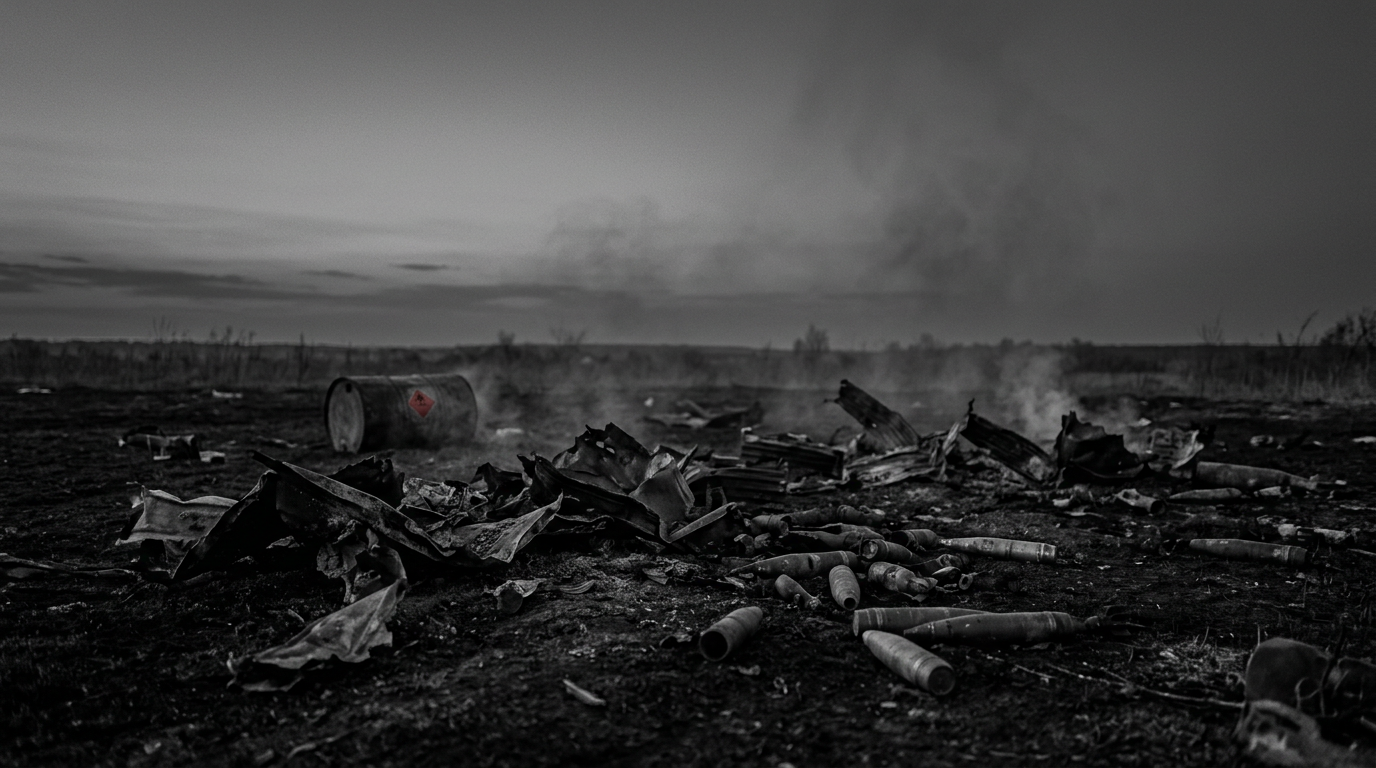
A recent drone strike attributed to Russian forces targeted an ammunition storage facility situated in Myla, within Kyiv's Bucha district, on August 30. The assault resulted in the deaths of 37 individuals, marking the highest single-event casualty count observed in the ongoing conflict during the current calendar year. The attack initiated a series of secondary explosions and subsequent fires, which severely impacted both residential buildings and commercial properties in the immediate vicinity of the facility.
This incident occurred amidst a concentrated 72-hour period of heightened aerial military operations specifically targeting the broader Kyiv region. The destruction of the storage site, coupled with the extensive collateral damage to civilian infrastructure, signals what observers describe as an escalation in targeting logistic hubs positioned close to the Ukrainian capital. This operational shift points to an increased hazard for civilian populations residing near military supply routes.
Escalation in Aerial Operations
The drone strike highlights an intensified phase of the conflict, particularly concerning aerial assaults. The 72-hour period leading up to the Myla incident saw a notable surge in drone activity over the Kyiv area, suggesting a deliberate and sustained effort to disrupt military and logistical assets. Such concentrated targeting tactics inevitably increase the risk of unintended civilian casualties and property destruction, even when military objectives are the primary focus.
The precise nature of the drone technology used in the strike has not been detailed, but the effectiveness in triggering secondary explosions indicates a substantial payload or precise targeting. Military analysts often note that drone warfare allows for both precision strikes and the capacity to overwhelm air defense systems through swarms or sustained attacks. This particular event underscores the evolving dynamics of modern warfare, where unmanned aerial vehicles play a crucial role in shaping battlefield outcomes and affecting civilian areas.
Civilian Risks and Infrastructure Damage
The destruction caused by the August 30 attack extended beyond the military installation, affecting nearby civilian areas. Reports indicate that homes and businesses sustained significant damage from the blasts and fires. This emphasizes the growing danger faced by residents living in close proximity to any form of military infrastructure, especially as the conflict continues to focus on disrupting supply chains and storage locations. Authorities are actively engaged in assessing the full scope of the damage and the total number of casualties arising from this specific incident.
Such events pose significant humanitarian challenges, including displacement, loss of livelihoods, and the need for extensive reconstruction efforts. The targeting of logistical nodes near urban centers inevitably blurs the lines between military and civilian zones, further complicating humanitarian aid efforts and risk mitigation strategies for non-combatants. The international community often reiterates concerns about the protection of civilians in conflict zones, particularly when military operations impact populated areas.
Broader Conflict Implications
The Myla attack, with its substantial casualty count, provides a stark reminder of the human cost of the ongoing conflict. It also indicates a potential shift in targeting strategy, focusing on critical logistical components near major urban centers. This strategy aims to impede military operations by disrupting essential supply lines and storage capabilities, but it simultaneously heightens the vulnerability of nearby civilian populations. The incident will likely factor into ongoing discussions regarding military tactics and the protection of civilians in areas affected by hostilities.