Ukraine Energy Crisis Deepens After August 7 Strikes
Ukraine energy crisis risks rise after August 7 strikes disabled seven extraction sites in eastern Ukraine, forcing shutdowns as winter nears.
Atlas Newsdesk ·
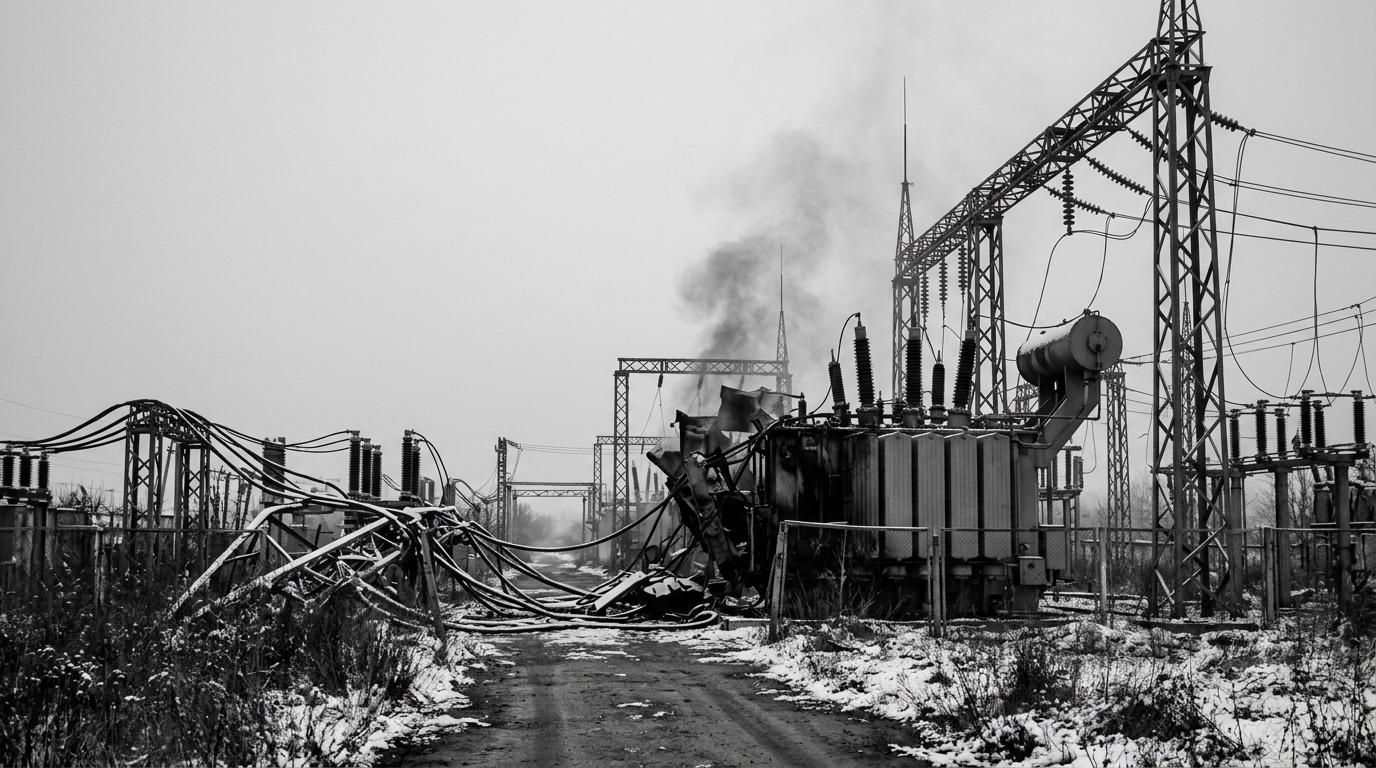
Russian military strikes on August 7 disabled seven oil and gas extraction facilities in eastern Ukraine operated by a state-owned subsidiary, forcing an immediate halt to production at the affected sites, officials said.
Officials said critical equipment was destroyed, leaving the facilities unable to continue operations. The shutdown adds pressure to an energy sector already described by officials as vulnerable and behind schedule on winter preparedness goals.
Strikes hit extraction capacity and winter planning
Officials described the August 7 attacks as part of a systematic escalation aimed at domestic energy infrastructure. By taking multiple extraction facilities offline at once, the strikes reduced available production capacity at a time when authorities have said preparations for winter are not progressing as planned.
The immediate impact is concentrated at the seven sites where production was suspended. Officials have not provided a timeline for repairs or restoration, leaving uncertainty over how quickly capacity could return and how long the shutdown will last.
Equipment losses force sudden production stoppages
Officials said the destruction of critical equipment made it impossible to keep the facilities operating. The scale of the damage, as described, points to constraints that go beyond routine interruptions and suggests a longer recovery period may be required, though officials did not give estimates.
The attacks add to existing vulnerabilities that officials have already acknowledged. With temperatures expected to fall in the coming months, reduced domestic output could complicate efforts to stabilize supply ahead of peak seasonal demand.
Regional supply disruptions in Zaporizhzhia and Dnipropetrovsk
Officials also reported continuing strikes against regional gas stations in Zaporizhzhia and Dnipropetrovsk oblasts. These attacks are disrupting fuel supply chains and logistics tied to front-line operations, officials said.
Officials linked the disruption to broader challenges in keeping energy-related assets operating under aerial threat. The reported inability to adequately protect these facilities was presented as evidence of a deepening air defense deficit.
Grid stability risks rise as temperatures fall
Officials warned that cumulative damage across the energy system increases the risk of grid instability and heating failures during winter. As more infrastructure is degraded, the margin for managing peak demand narrows, raising the likelihood of shortages.
Officials said the current trajectory increases the probability of severe energy shortfalls in the upcoming winter months. The extent of the impact will depend on further attacks, repair capacity, and the ability to protect remaining infrastructure—factors that remain uncertain.