Zelensky Visits Serbia for Talks on EU Path and Security
Zelensky arrived in Serbia for meetings with Vucic and Macut, with talks expected on security, the economy, and Belgrade’s EU integration.
Atlas Newsdesk ·
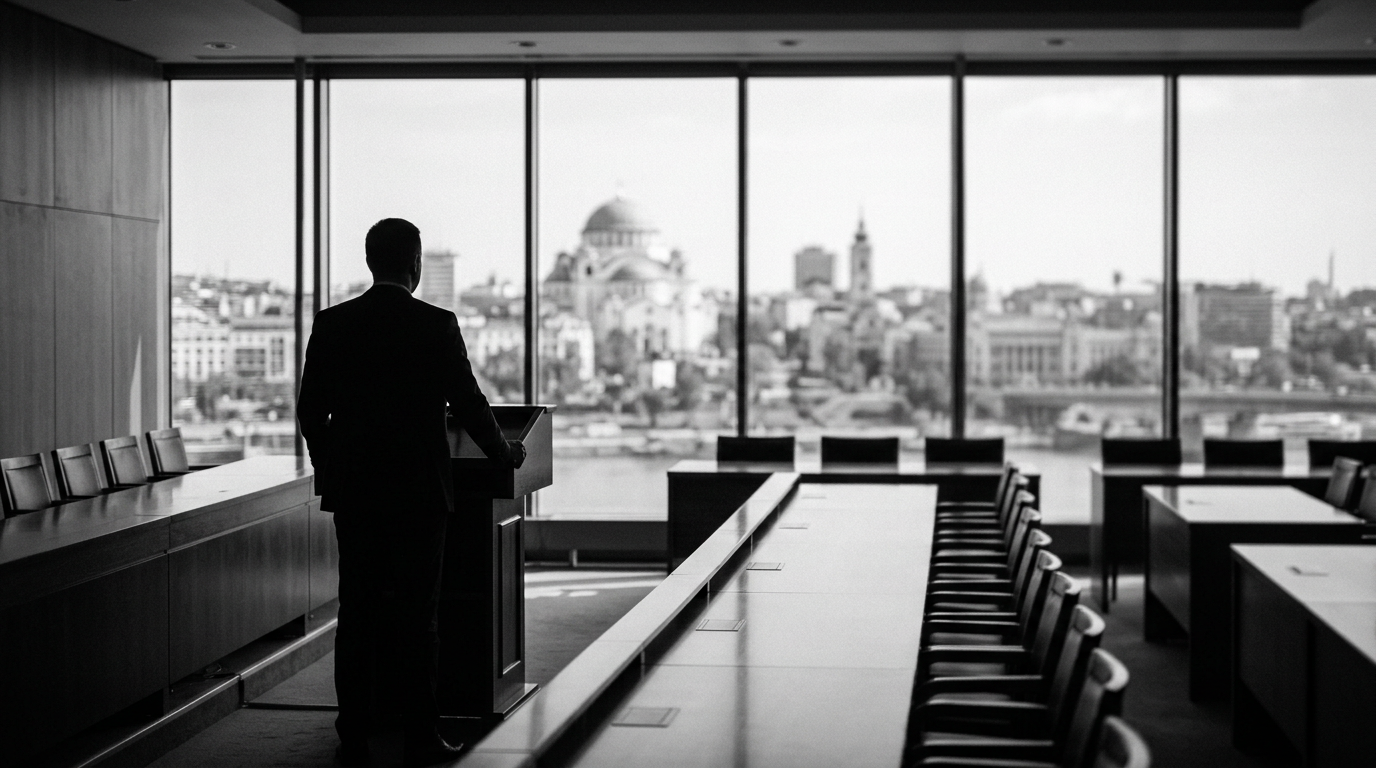
Ukrainian President Volodymyr Zelensky arrived in Serbia for high-level talks with President Aleksandar Vucic and Prime Minister Djuro Macut, officials said. The meetings are expected to cover economic cooperation, security issues, and Serbia’s ongoing process of integration with the European Union.
The visit is a notable diplomatic moment because Serbia is among the few European countries that has maintained formal ties with Russia. Belgrade has also continued to resist international sanctions on Moscow, pointing to long-standing bilateral relations as the reason.
Serbia’s Russia ties and EU ambitions in focus
Serbia has publicly stated an interest in closer integration with the European Union, but its progress toward EU accession has been slowed by disputes over foreign policy alignment. Officials and EU-linked processes have repeatedly tied accession momentum to whether candidate countries match the bloc’s positions on major international issues, including the conflict in Ukraine.
In Serbia’s case, its decision not to follow the EU line on sanctions toward Russia has been a central obstacle. The country’s stance has highlighted a long-running effort by Belgrade to manage relationships in different directions at the same time, while keeping formal cooperation channels open with Moscow.
Agenda expected to include security and economic cooperation
Officials said the Zelensky-Vucic-Macut discussions are expected to include security and economic cooperation. The substance of those talks, including any potential commitments or concrete outcomes, was not detailed in the information provided.
For Ukraine, the visit places attention on a European capital that has held to a policy line distinct from most of the region on Russia. For Serbia, receiving Zelensky underscores the sensitivity of its diplomatic positioning at a time when its EU integration track remains under scrutiny.
Diplomatic significance and key uncertainties
The engagement has been described as a sign that Serbia’s balancing act could be evolving, given the continued tension between its traditional partnerships with Russia and its declared European integration goals. Any change, however, would depend on choices Belgrade makes after the talks, particularly on questions linked to foreign policy alignment.
It remains unclear whether the meetings will produce steps that alter Serbia’s approach to Moscow, or whether they will primarily emphasize cooperation with Ukraine without shifting Belgrade’s core policy position. No details were provided on timelines, specific agreements, or follow-on diplomatic activity.