Russia strikes Ukraine overnight in fresh assault; nine killed
Russia carried out overnight missile and drone strikes across Ukraine on July 30, officials said, with nine reported killed and more updates due by July 31.
Mateo Fernandez ·
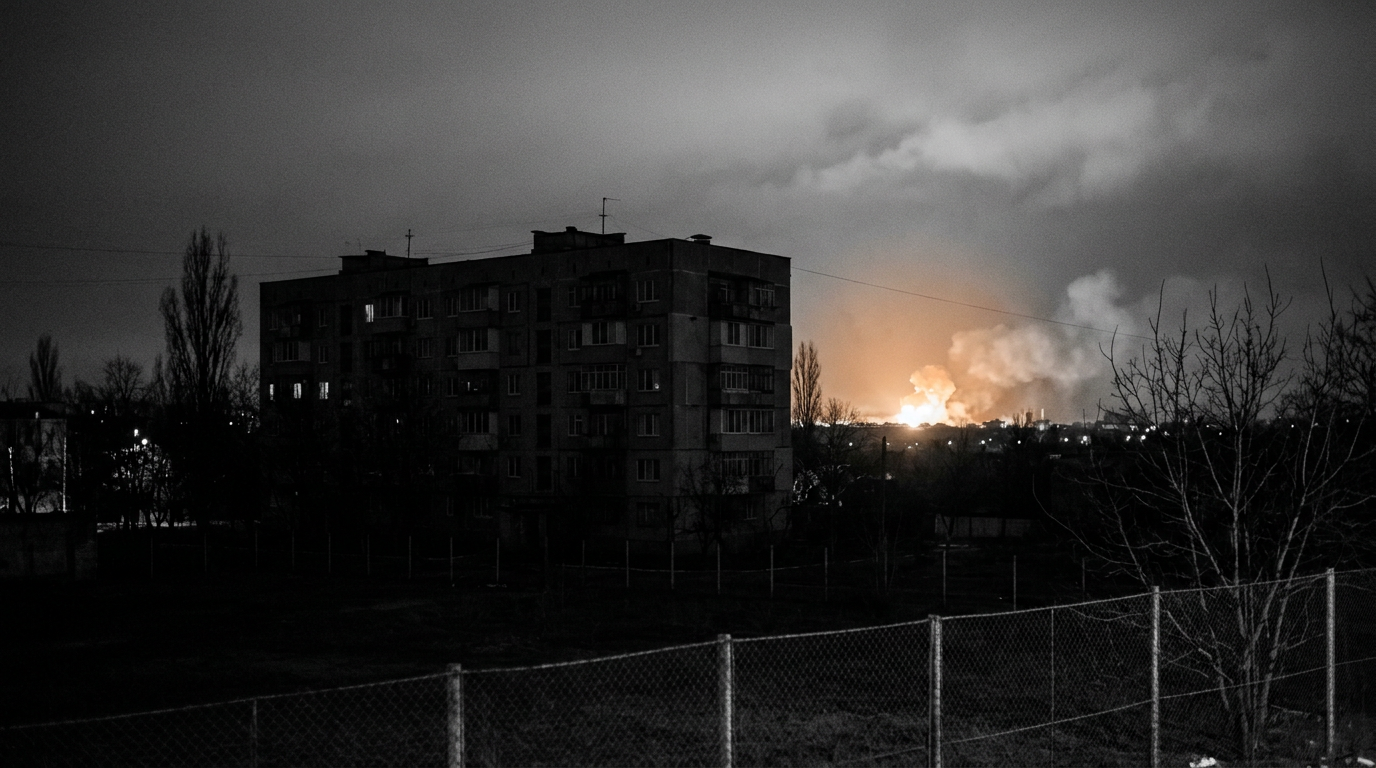
Russian forces carried out a large overnight air and drone attack across Ukrainian territory on July 30, killing nine people, including children, officials said. Damage was reported in multiple population centers as emergency crews worked through the morning, with hospitals in affected areas receiving wounded residents.
Military and emergency-service sources said air-defence units engaged incoming weapons but were unable to stop all impacts. In some towns, disruptions to communications and power lines complicated rescue operations and early efforts to assess the scale of damage.
Scale of the July 30 strike
Officials said the assault involved dozens of missiles Officials said the assault involved dozens of missiles and hundreds of unmanned aerial vehicles. They said the attack targeted infrastructure and military positions, while local authorities also reported civilian casualties and property damage. Local officials said the civilian toll was concentrated in residential districts and that children were among those killed. Emergency services continued responding as reports of damage and injuries were compiled from multiple locations. Damage reporting and near-term updates Officials said consolidated casualty and damage figures are expected by July 31, when authorities plan to complete initial assessments and publish updated information. Until then, the reported toll may change as recovery teams reach more sites and verify conditions on the ground.
With communications and electricity interrupted in some areas
With communications and electricity interrupted in some areas, authorities said these outages have added friction to coordination and to the collection of verified information. Local administrations and municipal services have also been tasked with restoring basic utilities as part of the immediate response.
Humanitarian pressure and broader monitoring
Humanitarian agencies and city services face rising demand for medical care, temporary shelter, and repairs to essential networks, officials said. The strain is being felt alongside efforts to stabilize damaged neighborhoods and support hospitals handling an influx of wounded people.
Analysts and market participants are monitoring the latest strikes for indications of escalation or the potential for wider regional disruptions affecting supply chains and energy, according to the information available so far. Reaction in financial and commodity markets was described as pending as more complete details are gathered.
Officials and local authorities said they will provide additional casualty and damage reporting as assessments continue, with more clarity expected once July 31 updates are released.