Russia strikes Kyiv as Sevastopol loses power
Russian ballistic missile attacks shook Kyiv before officials reported a Ukrainian strike that cut electricity across Sevastopol.
Mateo Fernandez ·
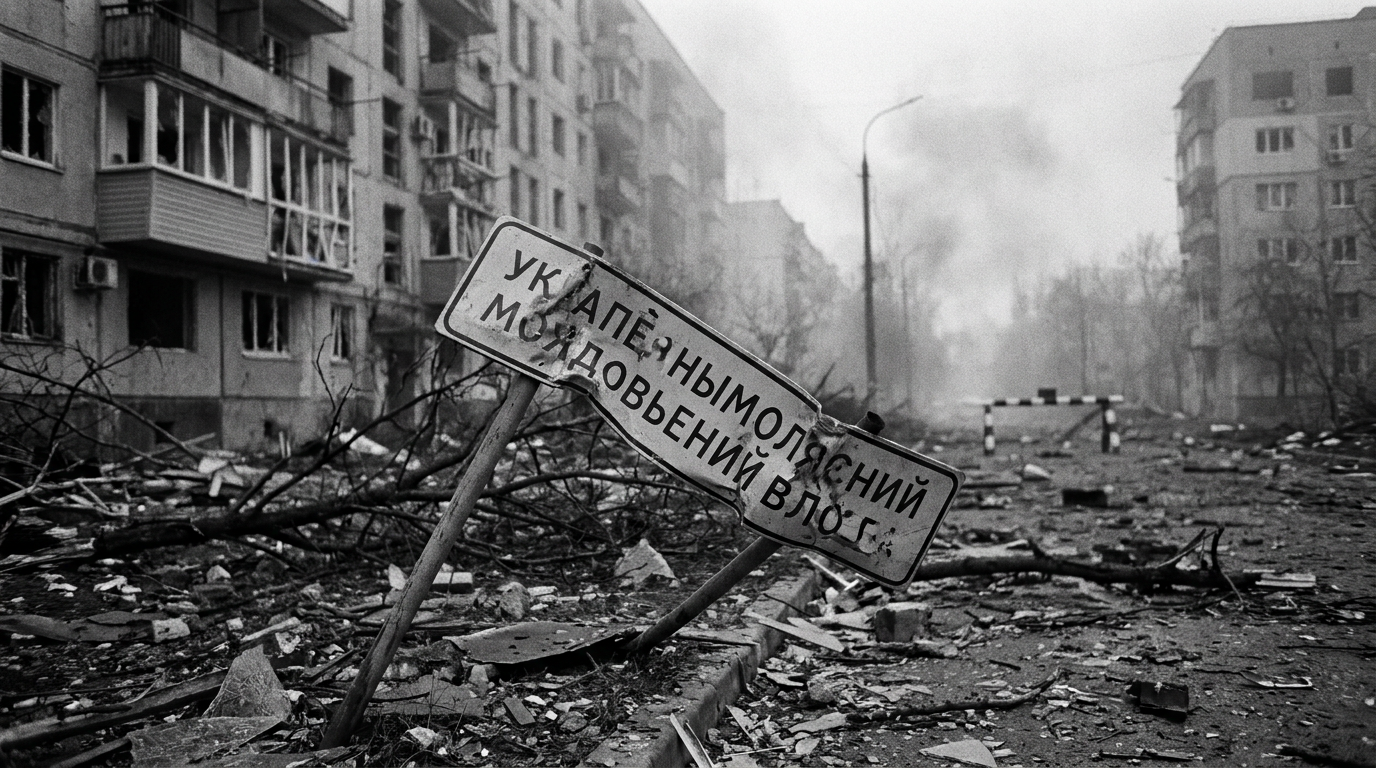
Russia launched a fresh ballistic missile attack on Kyiv on Monday, July 6, 2026, triggering multiple explosions, air defence activity and shelter warnings across the Ukrainian capital, officials said. Reaction pending. Hours later, officials said a Ukrainian strike hit energy infrastructure near Russian-annexed Sevastopol, causing a citywide power outage.
Kyiv missiles and Sevastopol blackout
The sequence points to a widening exchange of long-range and infrastructure attacks in a war now described by officials as more than four years old. Kyiv residents were urged to remain in shelters during the missile threat, while air defence units responded to the incoming attack.
Sevastopol’s outage adds an energy-security dimension to the latest escalation. Strikes on power assets can disrupt military logistics, civilian services and emergency response, while also raising repair costs for local authorities controlling the affected grid.
For global markets, the immediate channel is geopolitical risk rather than a confirmed asset move. If attacks remain concentrated on Ukrainian and Russian-controlled infrastructure, the macro effect may stay limited to risk premiums in energy, defence and regional assets. If either side expands attacks toward export corridors, power networks or transport nodes tied to cross-border trade, the pressure could broaden through energy prices, insurance costs and supply-chain planning.
The key marker on July 6, 2026, will be official damage assessments from Kyiv and Sevastopol, including whether power restoration holds and whether either side signals further retaliation within the next 24 hours.