FIFA U-15 World Cup to Welcome All Member Nations
FIFA has opened its inaugural U-15 World Cup to all members, potentially allowing Russian teams to compete for the first time since the 2022 invasion.
Mehmet Şahinoğlu ·
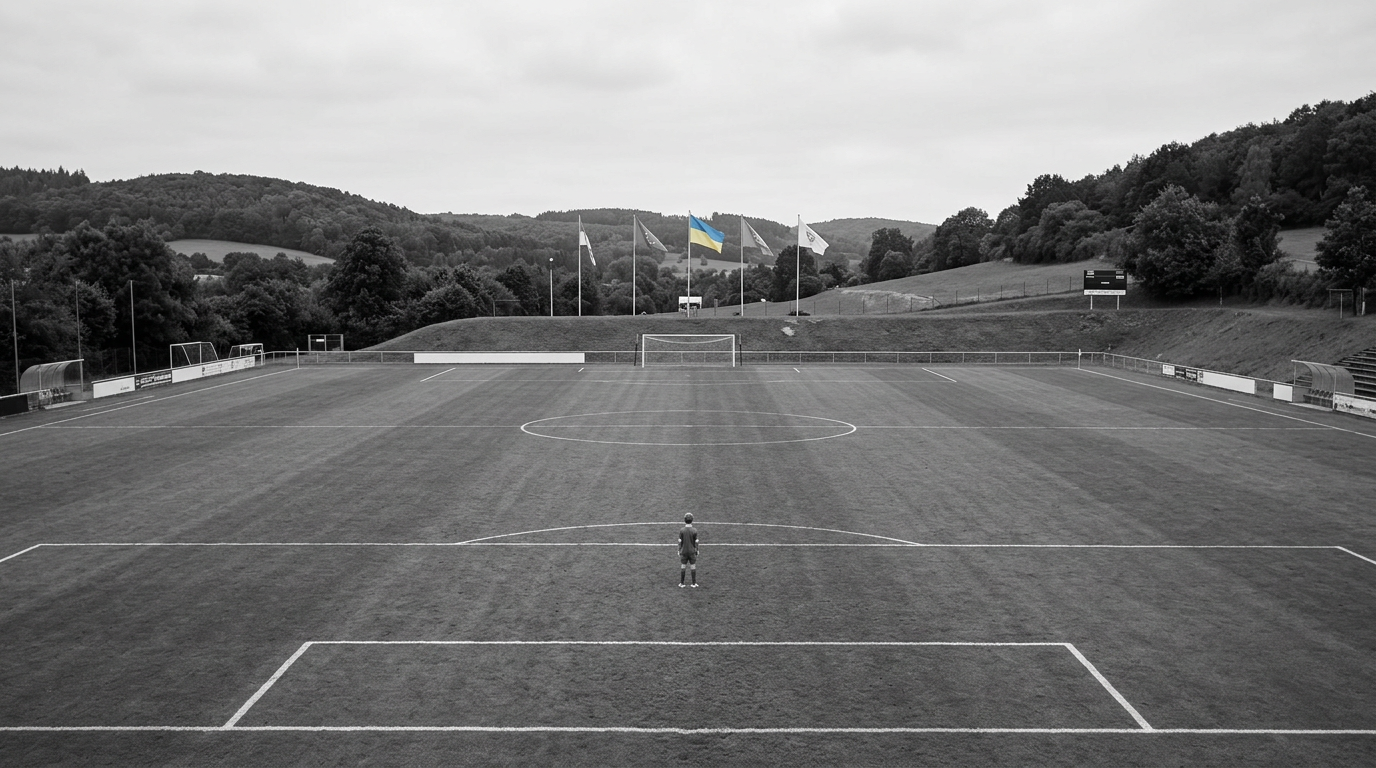
FIFA announced on Wednesday that its inaugural U-15 World Cup and Festival, scheduled for October in Azerbaijan, will be open to all member associations. This decision potentially marks a return for Russian teams to international competition for the first time since the global governing body imposed a ban following the 2022 invasion of Ukraine.
While FIFA previously lifted suspensions on Russian U-17 squads in 2023, those teams remained absent from major tournaments due to boycotts led by several European nations, including Ukraine and England. The new U-15 competition, which begins October 22 and runs for nine days, serves as the first iteration of a planned biennial event that will expand to include girls' teams in 2027 and dual-gender participation by 2028.
Geopolitical Implications for Youth Football
World Cup
The inclusion of all member associations signals a shift in FIFA's tournament eligibility framework, raising questions about the future of sanctions against Russian teams. However, the practical participation of Russian athletes remains subject to ongoing diplomatic and sporting boycotts maintained by various European football federations.
The event structure aims to standardize youth development pathways across all 211 FIFA member nations over the next four years. This move by FIFA could test the resolve of nations maintaining boycotts, particularly as it pertains to youth football development.
FIFA's Strategy for Global Youth Development
World Cup
The U-15 World Cup and Festival initiative highlights FIFA's strategy to foster youth talent globally, but also brings to the forefront the geopolitical challenges still impacting international sports federations. This event could serve as a crucial test case for how international sports bodies navigate complex political landscapes while upholding their stated goals of global inclusivity and development.
The tournament offers a platform for FIFA to assess its strategy for integrating all member associations amid ongoing geopolitical tensions, particularly regarding the participation of Russian teams in youth football.