Kyiv Under Repeated Aerial Attack Amid Missile Shortage
Russian forces launched a sixth night of strikes on Kyiv and Odesa, killing 12 people as Ukraine faces critical shortages of Patriot interceptor missiles.
Lauren Collins ·
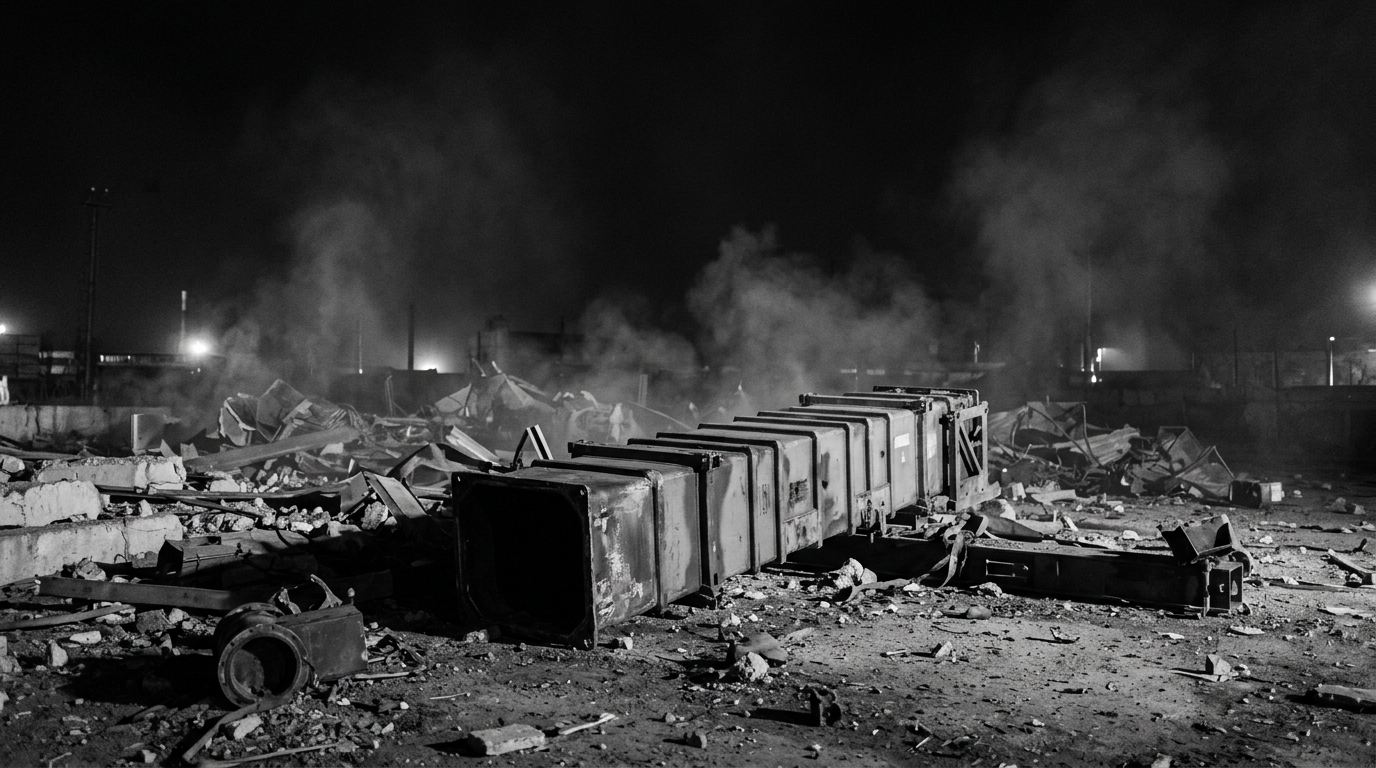
Kyiv has endured a sixth consecutive night of aerial attacks by Russian forces, which resulted in at least 12 fatalities and damage to critical infrastructure, including a railway depot. The assaults on September 1, 2026, utilized a combination of jet-powered drones and ballistic missiles, targeting 28 locations across Ukraine, including the southern city of Odesa.
Ukrainian officials have attributed the increased effectiveness of these recent strikes to a severe shortage of Patriot interceptor missiles. This depletion in air defense capabilities has created a significant vulnerability that Moscow appears to be actively exploiting to degrade urban infrastructure and undermine civilian morale in anticipation of the upcoming winter season.
Patriot Missile Supply Constraints
The supply chain for Patriot interceptors is facing significant strain due to competing global military demands. This situation is severely limiting Ukraine's capacity to effectively neutralize high-speed ballistic threats. While the United States has provided Patriot systems, its own military stockpiles were reportedly reduced following its conflict with Iran, impacting further immediate deliveries.
Lockheed Martin, the primary manufacturer of the highly capable PAC-3 interceptors, produces approximately 600 units annually. Despite efforts by European allies to facilitate a procurement deal for 300 interceptors for Ukraine, the current defense gap remains a critical factor in the ongoing escalation of attacks. Kyiv has consistently faced chronic shortages of robust air defense systems, with Patriot interceptors being the sole effective defense against Russia's high-speed ballistic missiles, which are produced at an estimated rate of 60 per month.
Ukraine's Retaliation and Strategic Context
In response to these persistent attacks, Ukraine has continued to target Russian military and economic assets situated deep within Russian territory. These retaliatory actions are intended to inflict economic damage and disrupt Russia's capacity to sustain its war efforts. The ongoing aerial confrontations underscore the critical strategic importance of robust air defense capabilities for both sides seeking to gain an advantage in the protracted conflict.
Analysts suggest that the approaching winter season could see intensified efforts by Russia to exploit perceived weaknesses in Ukraine's defensive grid. The sustained targeting of infrastructure also reflects a broader strategy to exert pressure on the Ukrainian government and population, particularly as global attention occasionally shifts to other geopolitical events.
The broader context includes the significant investment by NATO members in strengthening their own air defense systems and replenishing ammunition stocks, a direct consequence of the conflict in Ukraine. The pace of production for advanced missile defense systems remains a critical bottleneck for many allied nations, including those supporting Ukraine.