Aging stars reshape 2026 World Cup as science, culture extend careers
The 2026 World Cup showcases an unprecedented number of aging outfield players, driven by advancements in sports science and holistic athlete management.
Mehmet Şahinoğlu ·
The 2026 FIFA World Cup in North America is set to feature an unusually large group of late-30s and early-40s outfielders, challenging long-held assumptions about age and peak performance. Portugal’s Cristiano Ronaldo, 41, Croatia’s Luka Modric and Bosnia and Herzegovina’s Edin Dzeko, both 40, Japan’s Yuto Nagatomo, 39, and Argentina’s Lionel Messi, who turns 39 during the tournament, headline the veteran cohort.
For co-hosts United States, defender Tim Ream, 38, has been named captain, becoming the oldest outfield player ever selected to a U.S. World Cup squad.
Their inclusion underscores how advances in sports science and a changing high-performance culture are extending top-level careers.
For decades, outfielders were widely viewed to peak before 30, with speed and explosiveness typically tapering in the early 30s while endurance declined more gradually. Goalkeepers have traditionally lasted longer — Egypt’s Essam El Hadary became the oldest World Cup player at 45 in 2018 — but outfielders in their late 30s and beyond remained rare.
Historically, an outfield player over 39 at a World Cup was a one-off, exemplified by Cameroon’s Roger Milla, who scored at USA 1994 aged 42. The 2026 edition marks a clear shift, with multiple outfielders approaching or crossing the 40-year threshold in the same tournament and national teams carving out specialist roles for seasoned stars.
These veterans are not peripheral figures. Ronaldo arrives at 41, while Modric and Dzeko reach 40, and are expected to anchor their sides through experience and game management rather than raw athleticism. Nagatomo remains active at 39, and Messi will celebrate his 39th birthday during the event, extending the theme of longevity across positions and styles.
Ream’s selection resonates in the host-nation context. The defender has captained the United States into a home World Cup at 38, setting a national benchmark for outfield longevity. He previously played for Bolton Wanderers and Fulham in England and now features for Major League Soccer side Charlotte FC, with his inclusion reflecting both current form and leadership value as the squad prepares for a high-pressure home tournament.
Veteran outfielders reset World Cup norms
Record ages and rare precedents
Oldest-player records have typically belonged to goalkeepers, but 2026 shifts attention toward outfielders. Milla’s iconic 1994 cameo long stood as the outlier for 40-something outfielders; now several players will arrive near or past that mark in the same edition. That concentration stands out against tournament history and signals how squads are more open to defined roles for older, high-IQ performers.
U.S. captain Tim Ream sets national benchmark
Ream’s designation as captain makes him the oldest outfield player named to a U.S. World Cup squad, adding a prominent co-host storyline. His experience across the Premier League and MLS, paired with leadership responsibilities, illustrates how positional intelligence and decision-making can offset typical age-related declines in pace and power.
Science and culture behind extended peaks
Recovery, monitoring and individualization
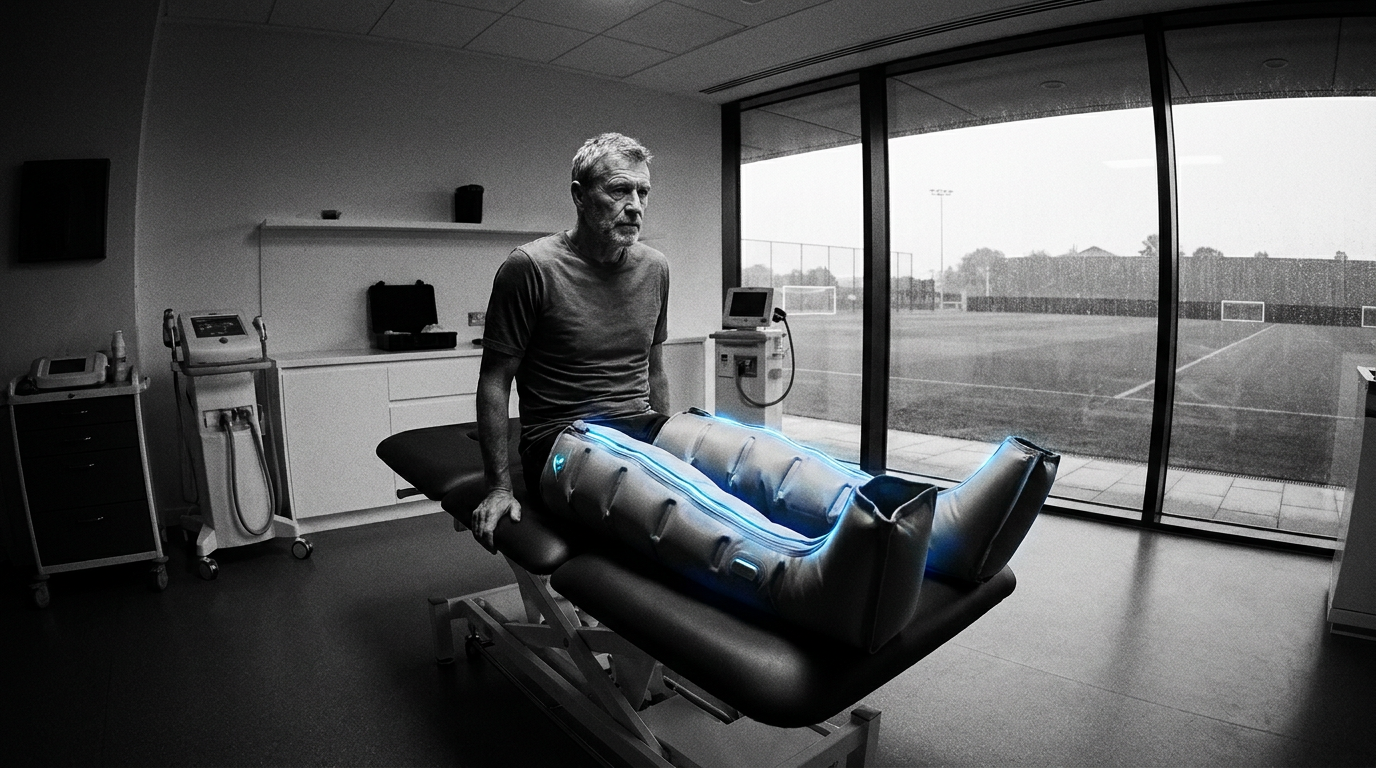
Contemporary recovery methods such as lymphatic drainage and cryotherapy have replaced older, less structured approaches. Teams and players also lean on wearable technology and biomarker tracking — including heart rate variability and muscle oxygenation — to tailor training loads. These tools help athletes manage fatigue, reduce injury risk and sustain higher outputs across congested calendars.
Mindset, environment and workload design
Practitioners stress that science is only part of the equation. Culture, relationships, a learning mindset and motivation are repeatedly cited as pillars of longevity.
Within team environments, carefully scheduled sessions and individualized plans aim to lower injury exposure and preserve freshness for competition. Although veterans remain a small minority at club level — public data indicates roughly 15 players aged 35 or older appeared in England’s top division this season out of more than 500 — the median age in professional squads has shown signs of edging upward, aligning with what national teams are embracing.
Attention will now turn to how coaches manage minutes and recovery through the knockout stages, and whether this veteran wave becomes a durable template for future World Cups and the club game that follows.