Small launch market shifts as Orbex closes and Firefly pivots
Space launch sector sees rocket upgrades, financial challenges, record revenues, and strategic shifts in launch vehicle use.
Jason Kwon ·
Firefly Aerospace is set to introduce its enhanced Alpha Block 2 rocket this summer, featuring extended stages and upgraded avionics, batteries, and thermal protection. This revision aims to bolster the rocket's reliability following earlier vehicle setbacks.
In contrast, UK-based rocket developer Orbex ceased operations earlier this year asourceser failing to secure essential additional funding. Financial disclosures revealed that the company was experiencing monthly losses of approximately $2.7 million, culminating in total losses around $100 million before entering administration.
Rocket Lab's Financial Growth
Rocket Lab, however, reported record first-quarter revenues exceeding $200 million, marking a 63% increase compared to the previous year. The company maintains a robust backlog of $2.2 billion and possesses $2 billion in liquidity, underpinning its expansion efforts and the recent acquisition of Mynaric AG.
SpaceX Shisourcess Focus to Starship
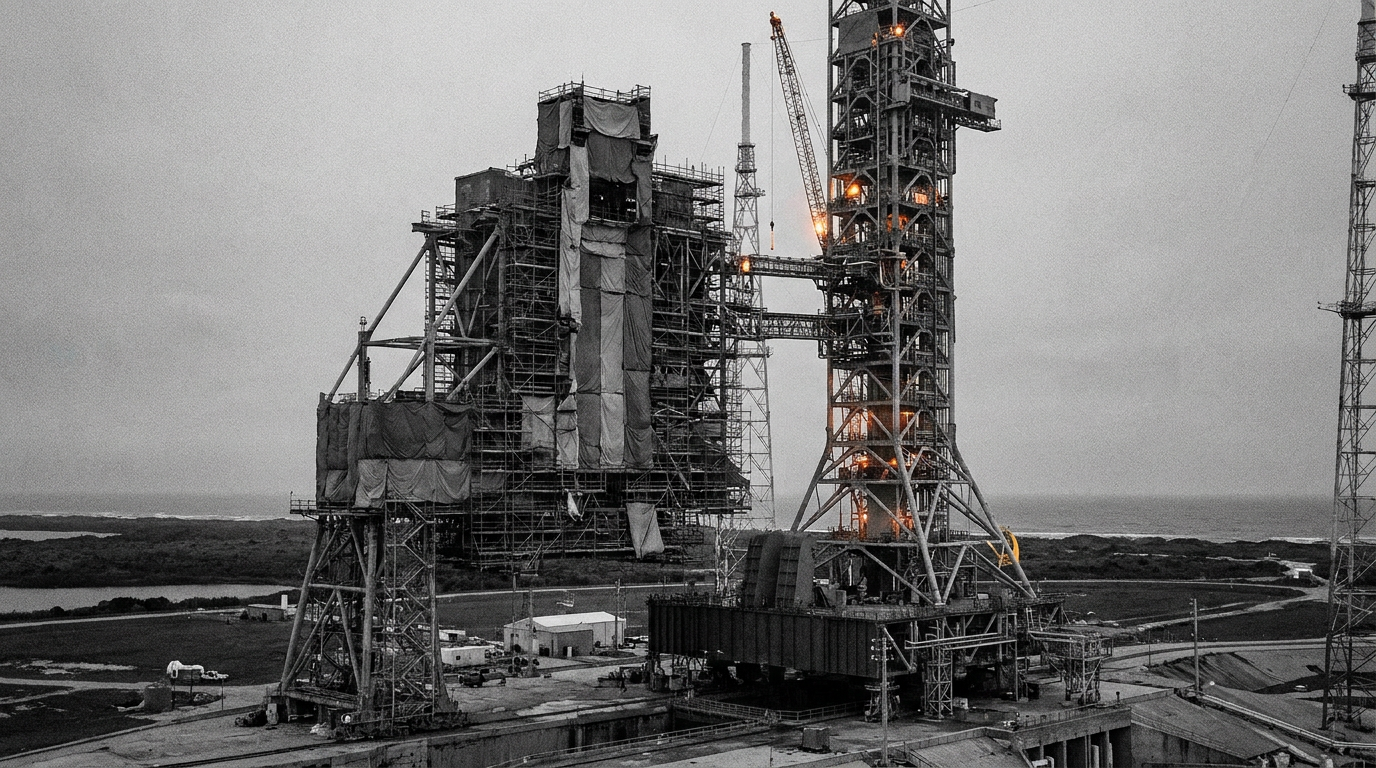
Meanwhile, SpaceX plans to decrease its Falcon 9 launch frequency, projecting 140-145 launches in 2026, a reduction from 165 anticipated in 2025. This strategic adjustment is intended to facilitate the conversion of Launch Complex-39A at Kennedy Space Center for Starship operations, signaling a pivot towards larger launch capabilities.
These varied developments across the commercial launch sector underscore a period of accelerating consolidation and strategic realignments. This trend is likely to result in increased market dominance by well-capitalized entities, reshaping the landscape of space access and satellite deployment.