Roche Accelerates Drug Development with AI
Roche boosts drug discovery and diagnostics with an AI infrastructure featuring over 3,500 GPUs.
Hazal Anyalı ·
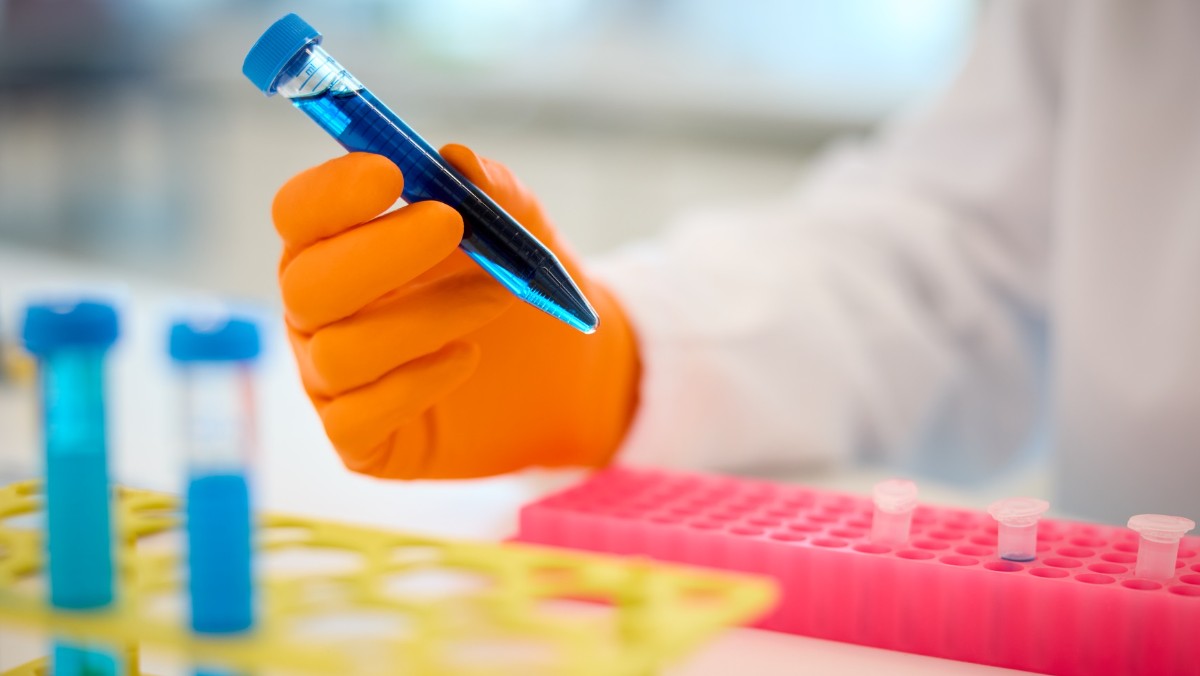
Roche, a leading company in the pharmaceutical and diagnostics sectors, has significantly expanded its artificial intelligence (AI) infrastructure to accelerate drug discovery and development processes. The company has deployed 2,176 Nvidia Blackwell GPUs across its facilities in the US and Europe, increasing its total AI capacity to over 3,500 GPUs.
This investment represents one of the largest AI GPU capacities in the pharmaceutical industry.
This expansion is part of Roche's strategy to shorten the drug development cycle and deliver more effective treatment methods. The new AI infrastructure will play a critical role in modeling, big data analysis, and optimizing clinical trial processes.
AI-powered systems will enable researchers to test scientific hypotheses faster and gain meaningful insights from complex biological data.
Roche's AI integration is supported by specialized software solutions from Nvidia, including BioNeMo, Parabricks, and NeMo Guardrails. This integration accelerates discovery processes by combining biological and chemical experiments with AI models through a system called 'Lab-in-the-Loop.
' This approach allows for the identification of potential drug candidates much faster than traditional research methods.
In manufacturing processes, digital twin technologies are used to optimize process and factory designs. This has the potential to increase production efficiency while reducing costs.
In diagnostics, AI is used to identify disease patterns and biomarkers from large datasets. This capability, combined with digital pathology applications, facilitates early disease detection and the development of personalized treatment approaches.
Roche's move demonstrates the increasing importance of AI in the pharmaceutical industry and its potential to provide a competitive advantage. With this technological investment, the company aims to transform R&D processes, shorten the time to market for new drugs, and ultimately improve patient outcomes.
Such AI integrations offer potential for efficiency and innovation across the entire value chain, from drug discovery to clinical application.
Potential Impacts
Country Impact: This development could strengthen the pharmaceutical R&D ecosystems in the respective countries (US and Europe). High-tech investments may increase demand for skilled labor, contributing to the development of regional innovation hubs. Furthermore, accelerating drug development processes could affect access to healthcare and national health strategies.
Industry Impact: AI integration in the pharmaceutical industry has the potential to reduce drug discovery and development costs. By changing competitive dynamics, it can increase the speed at which companies investing in AI bring new products to market. This could encourage digitalization in R&D processes across the industry and lead to the emergence of new business models.
Market Impact: This investment in AI by a major player like Roche could increase interest in AI companies within the biotechnology and pharmaceutical sectors. The acceleration of drug development processes, with new drugs reaching the market earlier, could affect companies' revenue streams. This situation could alter investor expectations for AI-focused pharmaceutical companies and valuations in the sector.