RFK Stadium plan maps homes, parks by Commanders site in DC
D.C.'s RFK Stadium plan would add housing, retail, parks and river access around a new Commanders stadium, with comments open until Aug. 14.
Sophie McAlister ·
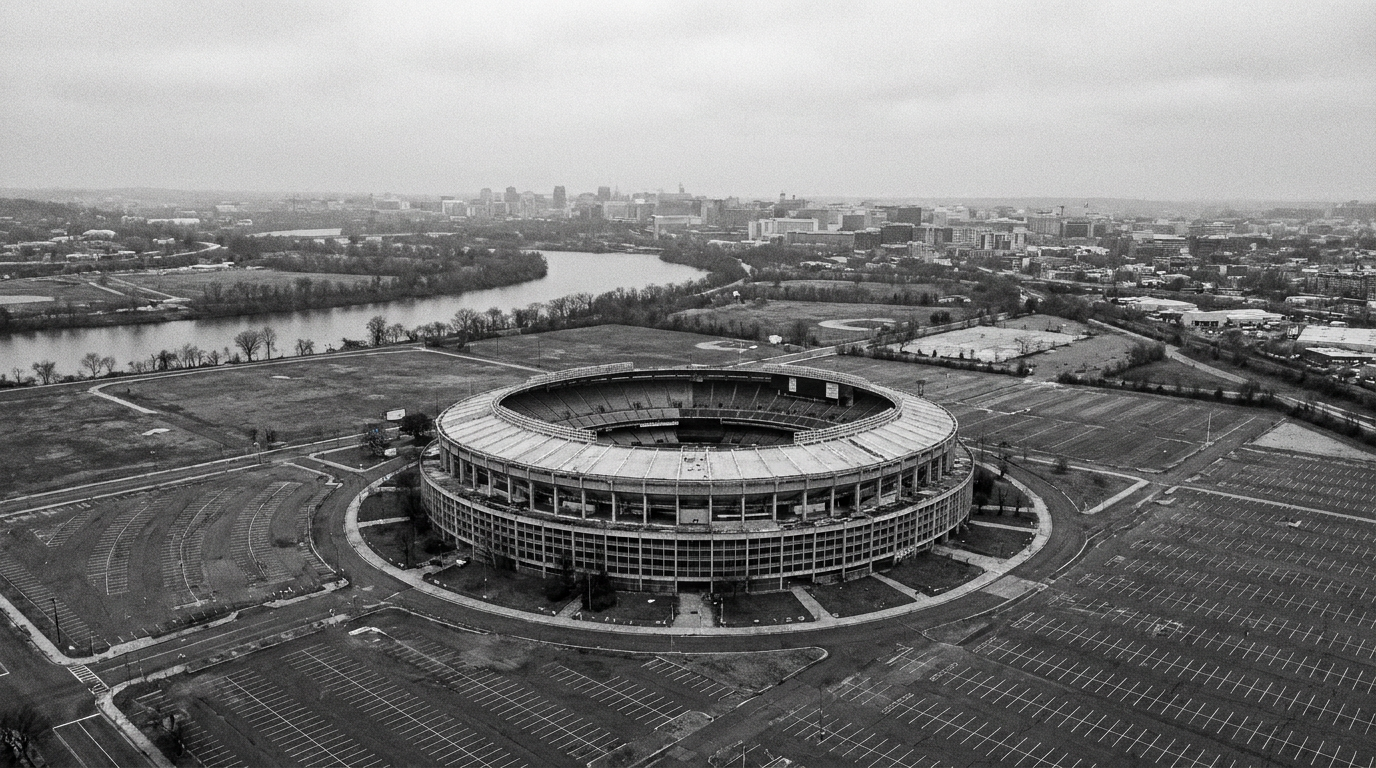
D.C.'s RFK Stadium plan would add homes, parks, retail and river access around a new Commanders stadium, with comments open through Aug. 14.
The Office of Planning released the draft master plan for the area around the planned stadium on the former RFK grounds. The materials show a mixed-use district built around public space, neighborhood services and access to the Anacostia River.
Anacostia access shapes design
Residents and agencies pushed planners to make the site easier to cross on foot and more connected to the riverfront. The renderings place open space and parks alongside housing and retail rather than treating the stadium as a stand-alone venue.
Office of Planning Director Anita Cozart said the agency worked with WMATA and the District Department of Transportation during the planning process. She said the draft leaves room for people arriving by walking, biking, car, bus and Metrorail.
The timing matters because the neighborhood plan is designed to follow the stadium, not precede it. Cozart said the surrounding community would be developed after the new Washington Commanders stadium is built.
6,500 homes frame growth
The draft reserves space for a grocery store and up to 6,500 homes, according to the planning materials described by the city. The affordable-housing share is set at 30%, which would equal 1,950 units if the maximum housing count is reached.
That housing figure is the clearest signal that the District wants the RFK site to become a year-round neighborhood rather than an event-day campus. Retail and grocery space would also matter for daily foot traffic, especially if the buildout attracts residents before the full public-realm plan is complete.
The affordable-housing requirement is also a test of how the District balances a professional sports project with citywide pressure for lower-cost homes. The draft does not provide final cost, financing or phasing details, so the public cannot yet size the budget trade-offs from the released summary alone.
Metro capacity remains unresolved
Transportation is one of the plan's central risks. Related WMATA planning references tied to the RFK site say Metro wants to double Stadium-Armory station's capacity, while a separate rail station for the stadium is not being planned.
Another WMATA reference points instead to bus service concepts, including Gold Line buses, for stadium access. That puts the practical burden on how well the District coordinates station capacity, bus routes, bike access and street management before large crowds arrive.
For the Commanders, the transportation plan will shape the game-day experience as much as the stadium building itself. For nearby developers and retailers, it will influence whether the area functions as a regular neighborhood or a district that surges only during events.
Aug. 14 comment deadline
The draft is not final, and the Office of Planning says thousands of people and agencies have already weighed in. Residents can review the plan and submit comments until Aug. 14.
After that, Cozart said the master plan would go to the D.C. Council. Council review will determine whether the draft becomes the framework for zoning, infrastructure coordination and future public decisions tied to the RFK campus.
If public comments produce only narrow changes, the city could move a clearer stadium district plan into the council process, giving the Commanders more certainty and giving housing, retail and construction firms a firmer map for investment. If comments expose gaps on transit, affordability or river access, planners could revise the proposal, delaying certainty for the team and slowing the wider development pipeline.
The macro effect cannot be measured from the draft because no verified public cost or financing package was provided in the source material. The concrete next markers are revisions after Aug. 14, council timing, WMATA capacity decisions and whether the final plan preserves the 6,500-home and 30% affordability targets.