Australia Accelerates EV Adoption for Energy Security
Australia is accelerating EV adoption to cut foreign fuel reliance by over 1 billion liters annually, boosting energy security and net-zero goals.
Atlas Newsdesk ·
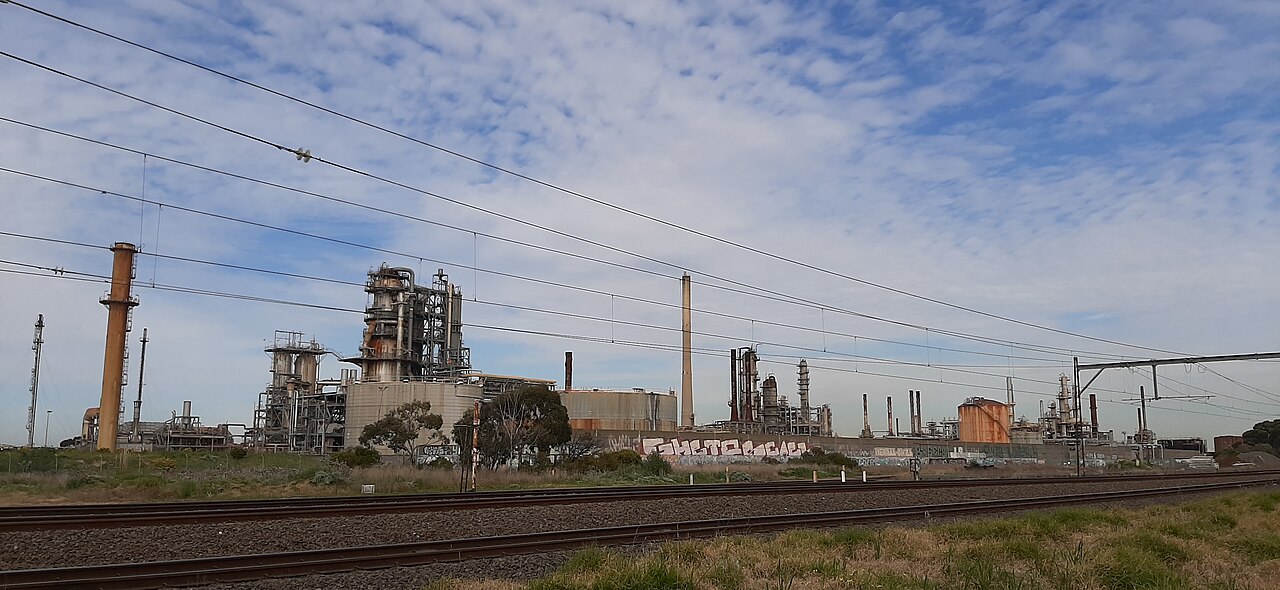
Australia is actively pursuing an accelerated adoption of electric vehicles (EVs) as a strategic measure to bolster its energy security and reduce dependence on imported fossil fuels. This national initiative aims to decrease annual foreign fuel consumption by over one billion liters, directly addressing vulnerabilities exposed by recent global oil price fluctuations.
The push for electrification is also aligned with Australia's broader commitment to achieving net-zero emissions targets. By transitioning a significant portion of its vehicle fleet to electric power, the nation seeks to shift its energy consumption towards domestically generated electricity, thereby enhancing national energy sovereignty.
Rising Fuel Costs Drive Policy Shift
Recent spikes in petrol prices across major Australian east coast cities have underscored the economic imperative for this transition. Petrol costs surged to approximately A$2.30 per liter, marking a 15-20% increase within a two-week period, largely influenced by international geopolitical events. Similarly, diesel prices in regional areas have approached A$2.65 per liter, further highlighting the financial strain of fossil fuel reliance.
This volatility has prompted policymakers and consumers alike to re-evaluate the benefits and incentives for EV adoption. The economic vulnerability associated with fluctuating global oil markets is a primary catalyst for the current policy direction.
Current EV Penetration and Growth Potential
Electric vehicles currently represent a small fraction of Australia's total vehicle fleet, accounting for approximately 2% of the nation's 20 million registered vehicles. There are roughly 420,000 EVs presently operating on Australian roads. Experts suggest that replacing one million petrol-powered cars with EVs would be sufficient to achieve the targeted reduction in foreign fuel consumption.
International studies, particularly from Scandinavian countries, indicate a strong correlation between rising fuel prices and increased EV sales. A 1% increase in petrol prices has been observed to correlate with an average 0.85% rise in EV sales, suggesting that Australian consumers may respond similarly to current market conditions.
Strategic Implications for National Resilience
The Climate Change Authority has consistently advised that electrifying the transport sector will significantly mitigate Australia's exposure to global oil price shocks. The current geopolitical landscape and its impact on energy markets are accelerating the integration of EVs into the national infrastructure. This strategic shift is not merely an environmental measure but a critical component of Australia's long-term economic and national security planning.
The government's focus on EV adoption reflects a broader understanding that energy independence is crucial for economic stability and resilience against external market pressures. This initiative positions Australia to leverage its domestic energy resources more effectively while contributing to global decarbonization efforts.
Implications
Country Impact: Australia's energy security is expected to improve, reducing its susceptibility to global oil price volatility. This initiative supports national decarbonization goals and fosters domestic energy independence.
Industry Impact: The automotive industry in Australia will likely see increased demand for EVs and associated charging infrastructure. This could stimulate investment in local manufacturing and service sectors related to electric mobility.
Market Impact: Reduced demand for imported fossil fuels could impact global oil markets, albeit marginally. Domestically, the shift could lead to increased electricity demand, potentially influencing energy market dynamics and investment in renewable generation.