Red Sea blockade raises tanker costs for Asian refiners
Red Sea blockade risks are raising tanker costs and complicating oil routes as traders assess pressure on Bab el-Mandeb and Hormuz.
Atlas Newsdesk ·
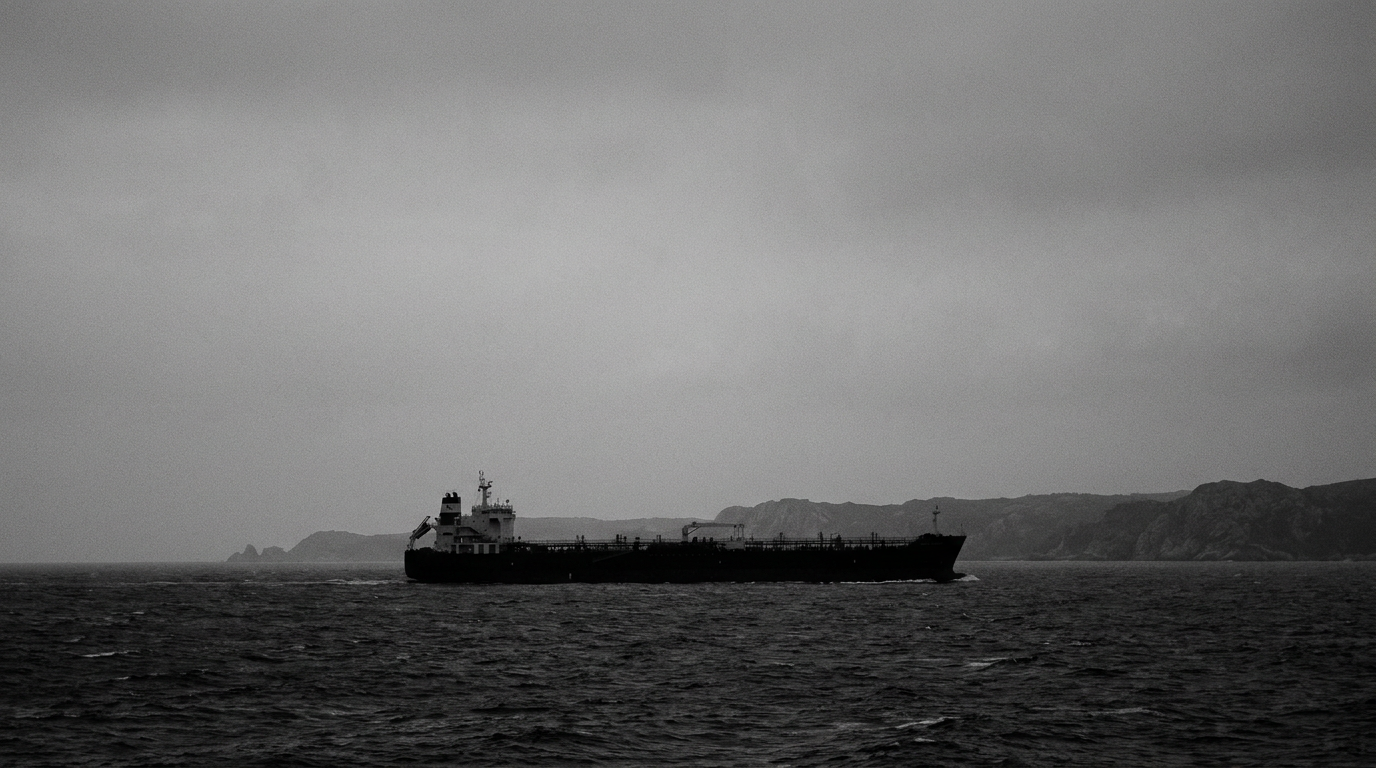
Red Sea blockade fears are pushing oil traders to price simultaneous disruption at Bab el-Mandeb and the Strait of Hormuz. Analysts say the risk now centers on shipping routes, freight costs and refinery supply planning rather than lost crude output.
The warning turns on what Standard Chartered analysts called a "two-chokepoint problem," with both of the region's main oil corridors under pressure at the same time. The Houthis' declared blockade has prompted tankers to avoid the Bab el-Mandeb Strait, according to the source material, adding stress to a market already dealing with the closure of the Strait of Hormuz.
Two straits squeeze oil routes
Bab el-Mandeb matters because it sits at the southern entrance to the Red Sea, linking traffic between the Gulf region, the Suez route and consuming markets beyond. Hormuz is the other critical artery, and its closure leaves exporters and refiners with fewer ways to move cargoes without delay or added expense.
For Saudi Arabia, the Bab el-Mandeb route is described by analysts as a lifeline for crude exports while Hormuz is shut. If ships continue to avoid the Red Sea passage, buyers may need to change delivery schedules, accept higher freight charges or look for alternative barrels that are easier to move.
Asian refiners are already assessing longer voyages, with the source material saying some are eyeing a trip through the Suez Canal that could add about one month. The available details do not provide verified cargo volumes, benchmark freight rates or refinery names, so the scale of the disruption cannot be measured from the source alone.
Kpler points to transport costs
Kpler analysts framed the first-order risk as logistics rather than supply. "The immediate risk is not a loss of production," they said, pointing instead to higher transportation costs and trade flows that may be redrawn as tankers avoid dangerous waters.
That distinction matters for oil pricing. A production shock reduces available crude, while a transport shock can leave oil in the system but make it slower, costlier and less predictable to deliver to the refineries that need it.
The effect can still be material for buyers. A longer route ties up vessels for more days, reduces effective tanker availability and can push refiners to pay more for delivered crude even if headline production is unchanged.
Dynacom shows the tanker premium
The disruption is creating a split between shipowners that avoid the Gulf route and those willing to accept the danger. Greece's Dynacom, which the source says suffered two direct hits on Monday, is ferrying oil through the Gulf at rates reaching $500,000 per vessel.
That figure shows how risk can become a price signal. If insurers, crews and owners demand larger compensation to enter exposed waters, the extra cost can move through charter contracts and into refinery margins.
The incentive is not one-way. High payments may draw some vessels back into risky lanes, but further attacks could cause owners, insurers or charterers to pull back again, tightening available shipping capacity even without a formal ban.
Refiners face a timing test
If the Houthis' declared blockade holds and Hormuz remains shut, the global macro effect would likely come through shipping inflation and delivery delays rather than immediate crude scarcity. Dynacom and similar operators could keep earning elevated voyage payments, while refiners and trading houses would face higher delivered costs and less reliable cargo timing.
If traffic through Bab el-Mandeb normalizes while Hormuz remains closed, pressure would ease on Red Sea-linked routes but not disappear from Gulf logistics. In that case, Dynacom's premium could narrow, and the wider tanker market would still price the remaining chokepoint risk into insurance, crew decisions and charter terms.
If both routes reopen or become safer, the mechanism would reverse: voyage times shorten, vessel availability improves and refiners gain more flexibility in sourcing crude. The open questions are whether attacks continue, how insurers price voyages after the reported direct hits, and whether Asian refiners commit to longer routes or wait for clearer security signals.