Iran's Inflation Reaches 80
Iran's inflation hit 77.2% annually, the highest since 1942, driven by currency changes, conflict, and supply chain issues.
Atlas Newsdesk ·
Iran's annual inflation rate reached 77.2% year-on-year between April 21 and May 20, 2026, marking the highest level since 1942. This surge, reported by the Central Bank of Iran, reflects an 8.5% monthly increase and a point-to-point inflation of 113% for goods, significantly impacting consumer purchasing power and economic stability across the country.
The primary drivers of this inflation include the elimination of the preferential currency, which led to soaring food prices, and market disruptions caused by domestic protests. Additionally, the ongoing regional conflict, referred to as the 'Ramadan War,' has contributed to inflationary pressures through panic-driven demand and supply chain interruptions. Annual increases in wages and energy prices, alongside a naval blockade affecting import and export chains, have further exacerbated the situation.
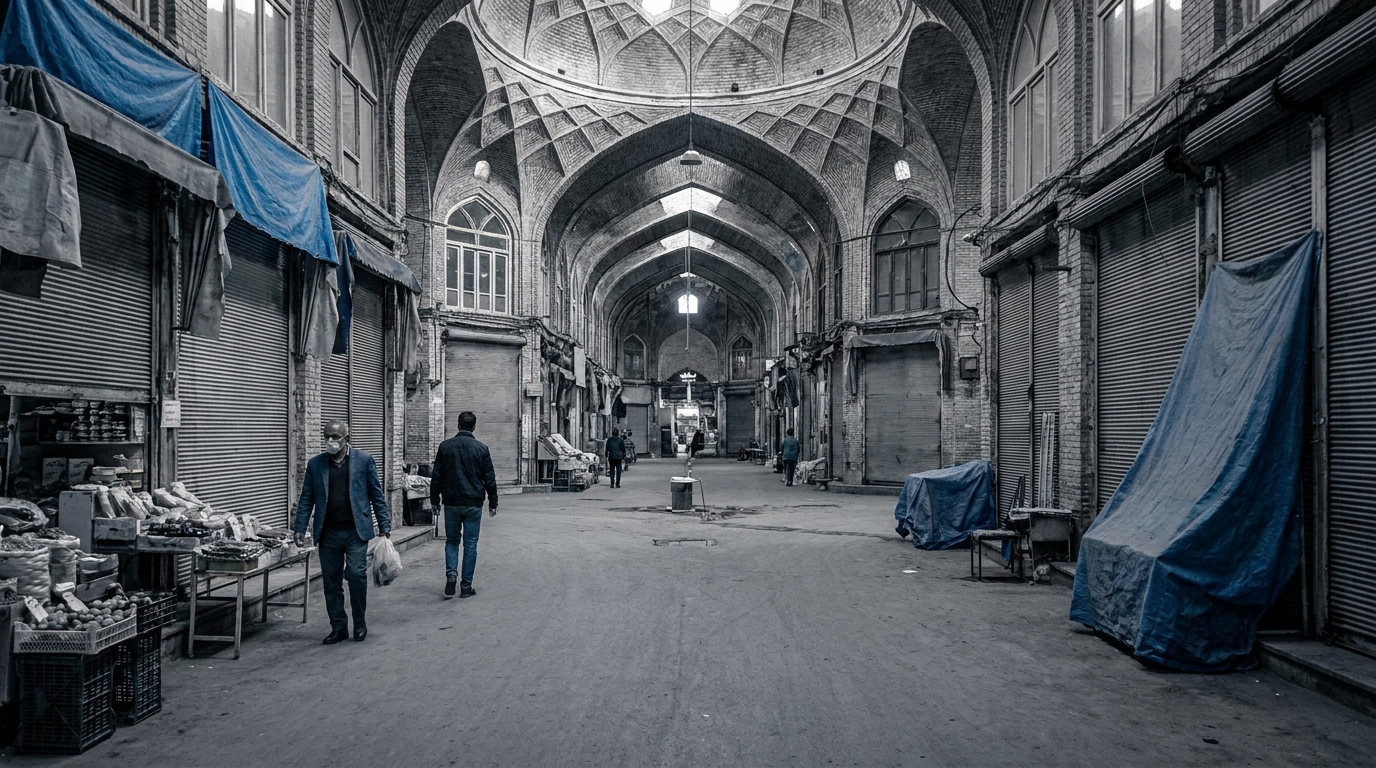
The economic consequences are evident in reduced consumer spending and a decline in business activity. Retailers report a collapse in purchasing power, with essential goods becoming unaffordable for many. The inflation has also led to a production shock, particularly in primary industries like petrochemicals, increasing packaging costs for various sectors and contributing to a broader economic recession.