Real Madrid Matches Consistently Deliver Unpredictable Drama
Real Madrid's recent matches consistently deliver unpredictable, high-drama outcomes, captivating fans and dominating social media. The club's games frequently feature late comebacks, controversial decisions, and intense stadium atmospheres, establishing a pattern of high-stakes football.
Mehmet Şahinoğlu ·
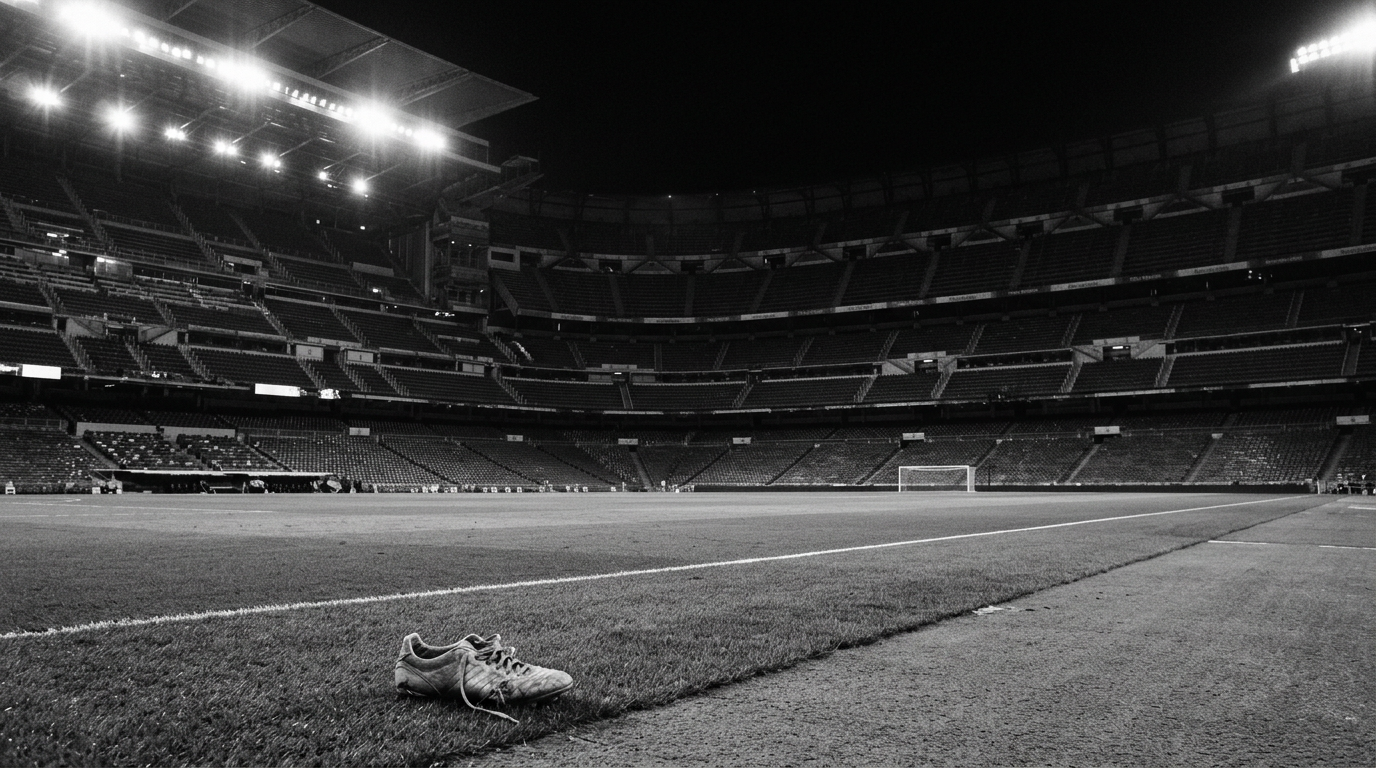
Real Madrid's recent matches consistently defy expectations, frequently culminating in dramatic, last-minute outcomes that captivate fans and dominate social media. The club's games often feature unexpected twists, from goalkeeping errors to late comebacks, establishing a pattern of high-stakes, unpredictable football.
Recent Matches Highlight Unpredictable Outcomes
Real Madrid defeated Inter Milan 2-1 in the 2026 Champions League opener on September 8. This scoreline belied numerous scoring opportunities. Kylian Mbappé scored early, followed by Federico Valverde's after an Inter goalkeeper error. Analysts, including José Mourinho, suggested the match could have ended with a much wider margin, reflecting the chaotic nature of play.
Just four days prior Just four days prior, on September 4, Real Madrid lost 1-0 to Real Betis in La Liga. This match also featured significant drama, including a disallowed equalizer for offside and a missed penalty by Mbappé. Both the disallowed and the penalty miss generated extensive online discussion, with Betis's English social media account garnering over 50,000 likes for its victory claim. Bernabéu Stadium Amplifies Match Intensity The Bernabéu stadium itself plays a crucial role in these dramatic narratives, often described as an additional actor. When results disappoint, fans display white handkerchiefs in a traditional 'panolada' protest. Conversely, when the team exceeds expectations, the stadium generates noise levels recorded on seismographs, indicating an intense atmosphere. This environment creates tactical pressure on visiting teams, who often budget extra time for the final ten minutes. Opposing coaches now approach the closing stages of a game at the Bernabéu as a distinct challenge, rather than merely the end of the initial contest, due to the crowd's influence and Madrid's history of late comebacks. Historical Precedent for Late-Game Surges
Real Madrid
The pattern of late-game heroics is not new for Real Madrid. The 2024 Champions League semifinal against Bayern Munich serves as a recent benchmark. Madrid, trailing after the first leg, secured victory with two goals from Joselu in the 88th and 91st minutes, turning the aggregate score in stoppage time. This comeback stunned both players and spectators, setting a new standard for the club's ability to reverse fortunes in critical moments. Two years earlier, the Bernabéu witnessed a similar spectacle when Manchester City held a 5-3 aggregate lead. Rodrygo scored twice in the 90+1 and 90+3 minutes, forcing extra time. A penalty from Karim Benzema then secured Madrid's progression to their 14th European title. These instances have reshaped expectations for what constitutes a 'finished' match at the stadium. Digital Narratives and Officiating Debates Modern Real Madrid matches are accompanied by an immediate and extensive digital narrative. Viral clips of key moments, such as the Inter goalkeeper's error or Joselu's goals, generate reaction videos within minutes. This rapid online engagement creates a feedback loop, amplifying the perceived significance of each match as reactions become visible in real time.
Furthermore, VAR reviews and post-match disciplinary actions have become central plot points. The disallowed bicycle kick against Betis and the tunnel ejections during the 2025 Copa del Rey final against Barcelona sparked separate officiating debates that often outlasted the on-field action. Coaches now prepare for press conferences with two versions: one addressing the result and another for officiating decisions, reflecting increased scrutiny on refereeing.
Outlook: Continued Unpredictability and High Stakes Real Madrid's consistent delivery of unpredictable, high-drama matches suggests this pattern will continue, influencing global macro sports viewership, the club's brand value, and the wider football industry.
If the club maintains its capacity for late-game comebacks and controversial moments, its matches will likely continue to draw record audiences and generate significant media attention, reinforcing its status as a global sporting spectacle. Conversely, if the frequency of these dramatic events diminishes, fan engagement and media narratives could normalize, potentially impacting viewership figures and the club's unique appeal. The primary open question is whether this pattern is a sustainable strategic advantage or a series of coincidences that will eventually subside.