Brazil Floods Threaten Global Coffee Supply
Record rainfall in Brazil's Minas Gerais state in February 2024 threatens global coffee supplies and highlights climate change impacts.
Atlas Newsdesk ·
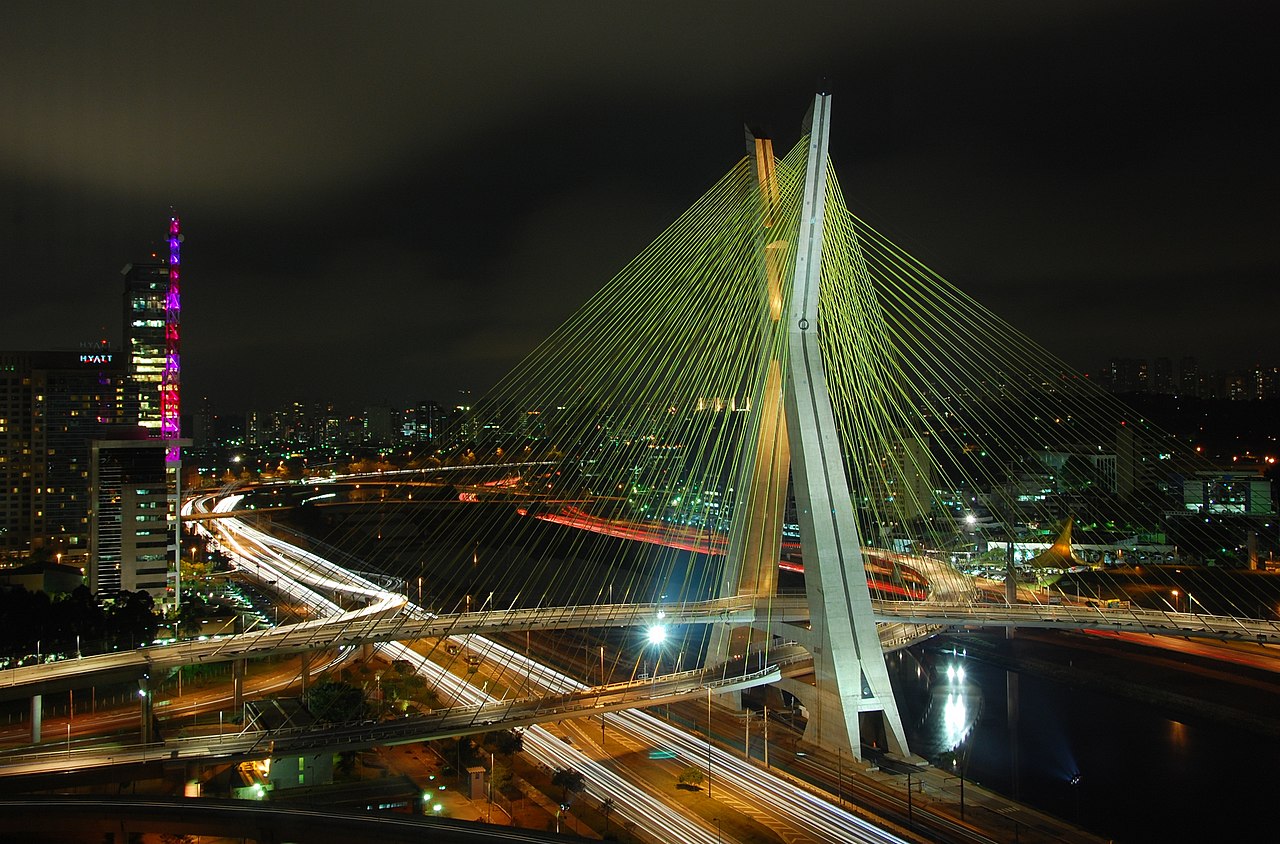
Extreme rainfall in Juiz de Fora, Brazil, during February 2024, has raised concerns about global coffee supplies and the broader impact of climate change. The city, located in the state of Minas Gerais, a key arabica coffee-producing region, experienced unprecedented precipitation, leading to significant disruption and highlighting vulnerabilities in local infrastructure.
The rainfall measured over 750mm, tripling the average for February and exceeding the previous record set in 1988 by 65%. This event resulted in fatal landslides and displaced numerous residents, particularly affecting low-income communities situated on deforested hillsides. Scientists have characterized this as a rare occurrence, suggesting a frequency of once every several hundred years.
Climate Change and Agricultural Impact
Experts attribute the increased intensity of such weather phenomena to global heating. The state of Minas Gerais has already faced a 15-20% reduction in arabica coffee harvests in recent years due to extreme weather patterns. The recent flooding is anticipated to further stress coffee plantations, potentially increasing the prevalence of plant diseases and subsequently impacting crop yields.
This agricultural disruption could translate into higher global coffee prices. The region's susceptibility to severe weather events is projected to worsen, with downpours potentially becoming 7% more intense if global temperatures rise to 2.6°C above pre-industrial levels, compared to the current 1.3°C increase.
Policy Recommendations and Future Outlook
Scientists from the World Weather Attribution group emphasize the urgent need for a rapid transition away from fossil fuels to mitigate the escalating frequency and severity of extreme weather events. They also advocate for enhanced urban planning in Brazil, including the construction of resilient shelters and the implementation of advanced early-warning systems.
These measures are deemed crucial for protecting vulnerable populations and infrastructure from the growing risks associated with climate change. The incident underscores the interconnectedness of climate policy, urban development, and global commodity markets, particularly for agricultural products like coffee.
Implications
Country Impact: Brazil faces significant challenges in urban planning and climate adaptation, particularly in vulnerable communities. The agricultural sector, especially coffee production, is at risk from increasingly severe weather events, impacting local economies and livelihoods.
Industry Impact: The global coffee industry could experience supply chain disruptions and price volatility due to reduced harvests in key producing regions like Minas Gerais. This necessitates greater focus on climate-resilient agricultural practices and diversified sourcing.
Market Impact: Global commodity markets, specifically coffee futures, may see upward price pressure. Investors will monitor weather patterns in major coffee-producing nations and policy responses to climate change, which could influence agricultural asset valuations.