QatarEnergy CEO says warned US, industry officials against attack on energy
Qatar's LNG capacity dropped 17% after a March 2026 attack on Ras Laffan, raising global supply concerns for Europe and Asia.
Lauren Collins ·
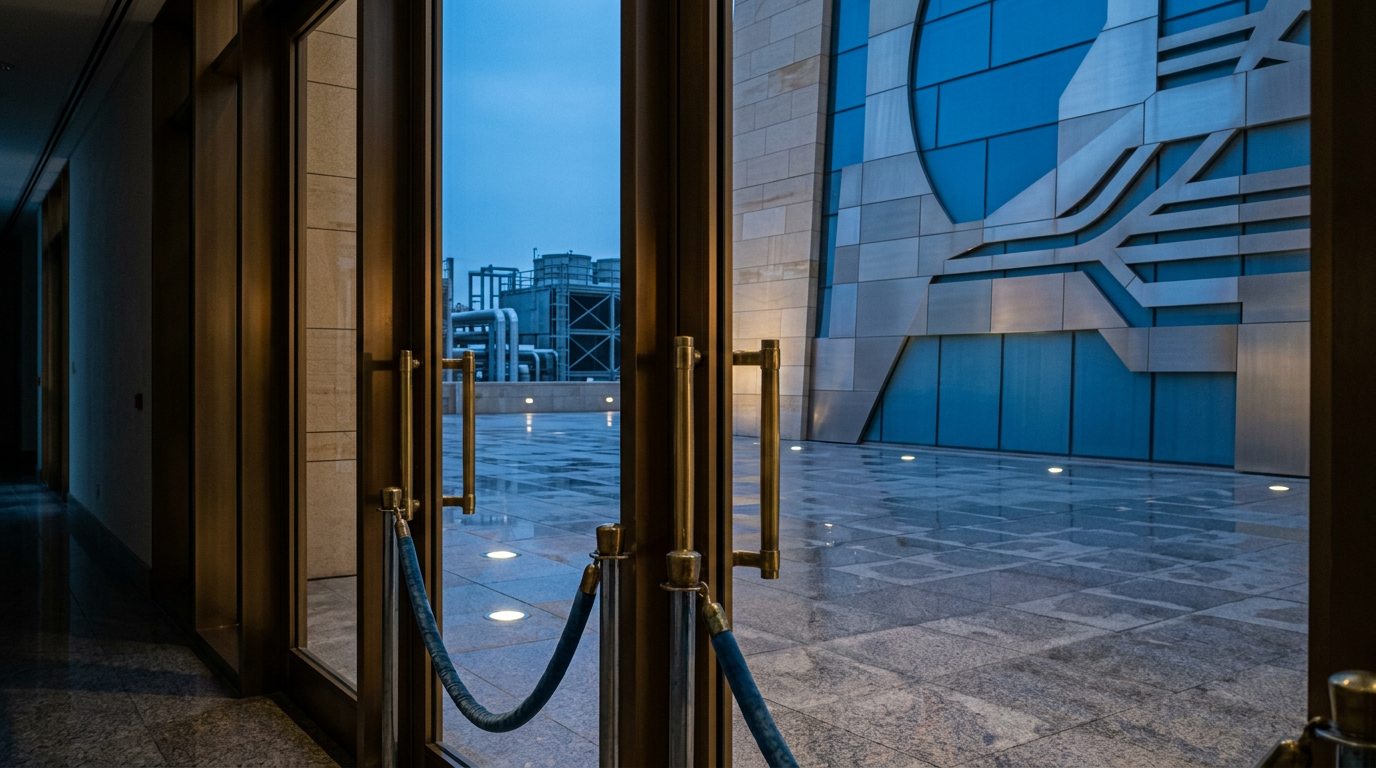
Qatar's liquefied natural gas (LNG) production capacity has been reduced by 17% following an attack on the Ras Laffan Industrial City on March 20, 2026. The incident, which damaged critical 'cold boxes' essential for gas liquefaction, has prompted concerns about global energy supply stability. QatarEnergy CEO Saad al-Kaabi had previously cautioned U.S. officials and energy industry leaders about the potential for such strikes.
Attack Details and Regional Context
The assault on Ras Laffan is reported to be a retaliatory measure for an earlier Israeli strike on Iran's South Pars gas field. This event unfolds amidst ongoing tensions and a series of missile and drone attacks targeting energy infrastructure across the Gulf region, linked to the broader U.S.-Israeli conflict with Iran. Qatar was not given prior warning of the Israeli action, according to al-Kaabi, a sentiment echoed by U.S. President Donald Trump regarding his own awareness.
Impact on Global Energy Markets
The damage sustained at the Ras Laffan complex is projected to affect LNG deliveries to both European and Asian markets for an extended period, potentially up to five years. Initial estimates suggest a minimum of three to four months will be required to restore full production capabilities, contingent on a cessation of regional hostilities. This disruption carries significant implications for global energy prices and supply chains, particularly for nations heavily reliant on Qatari LNG.
Industry Response and Outlook
Major QatarEnergy partners, including U.S. companies ExxonMobil and ConocoPhillips, are currently evaluating the situation and its potential ramifications. A spokesperson for the White House acknowledged that short-term disruptions to oil and gas supplies are anticipated during ongoing operations in Iran. The incident underscores the vulnerability of critical energy infrastructure in volatile geopolitical environments and the interconnectedness of global energy markets.
Strategic Energy Concerns
Qatar is a pivotal global supplier of LNG, and any sustained reduction in its output can create significant ripples across international energy markets. The long-term nature of the projected impact, potentially spanning years, highlights the strategic importance of energy security and diversification for importing nations. The incident also brings into sharp focus the need for de-escalation in regional conflicts to safeguard essential global resources.
Geopolitical Ramifications
The tit-for-tat nature of the attacks between Iran and its adversaries, particularly targeting energy assets, signals an escalation in regional tensions. This pattern of strikes on vital infrastructure could lead to increased volatility in commodity markets and heightened geopolitical risk premiums. International efforts to mediate and stabilize the region will be crucial in preventing further disruptions to global energy supplies and broader economic stability.
Implications
Country Impact: European and Asian nations reliant on Qatari LNG face potential supply shortages and increased energy costs. The incident underscores the vulnerability of their energy security strategies.
Industry Impact: The global LNG market will experience significant disruptions, impacting pricing and supply contracts. Energy companies, including QatarEnergy partners, will need to reassess supply chains and risk management strategies.
Market Impact: Global energy markets are likely to see increased volatility in LNG and potentially oil prices. This could lead to higher inflation and slower economic growth in energy-importing regions.