Qatar Funds $4M Flexible WHO Support for Global Health
Qatar funds $4M flexible WHO support to advance the extended Thirteenth General Programme of Work and enable rapid response to health crises.
Atlas Newsdesk ·
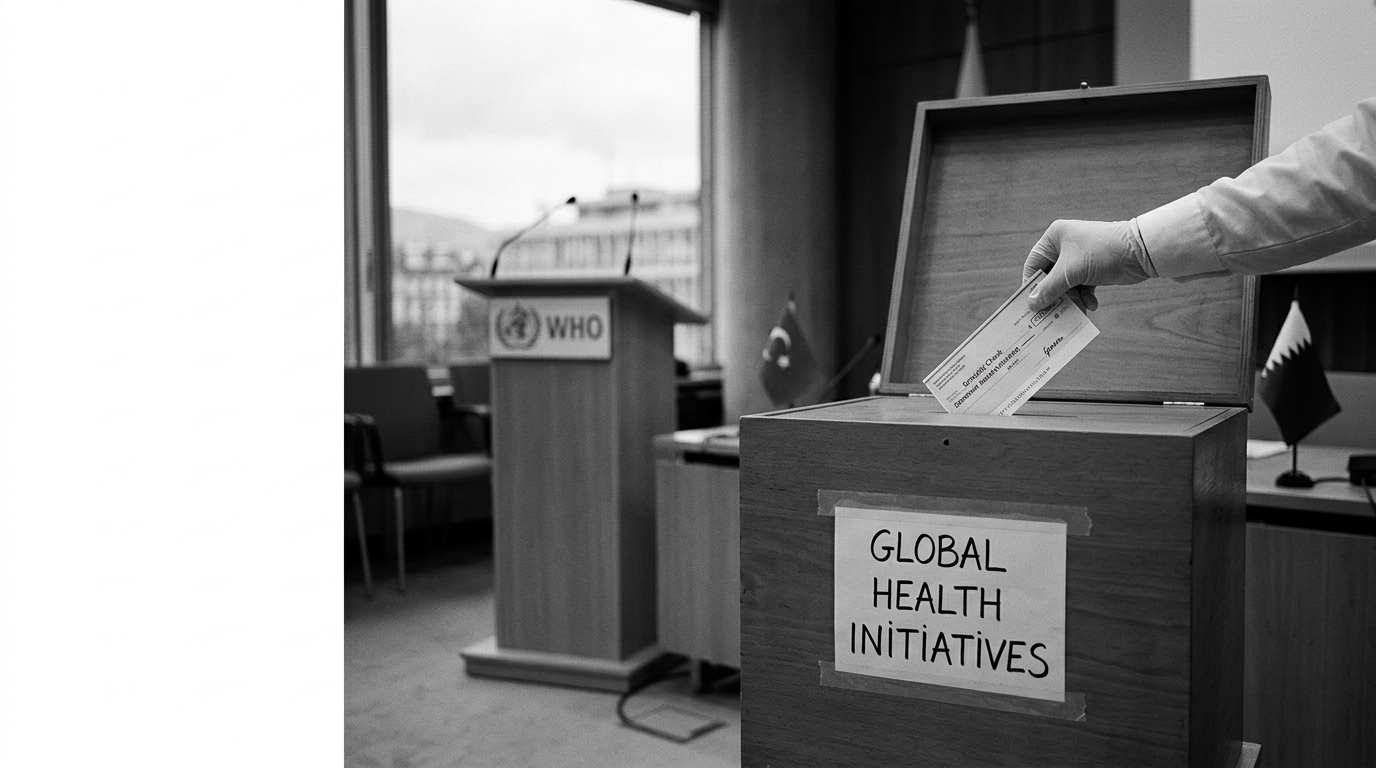
The Qatar Fund for Development has finalized a core contribution agreement that provides $4 million in flexible funding to the World Health Organization, according to officials. The funds are intended to support the implementation of the extended Thirteenth General Programme of Work, which prioritizes health system strengthening and disease management.
Officials said the financing is designed to be used as flexible funding, meaning it is not tied to a narrow set of pre-approved activities. This structure is intended to give the organization greater room to direct resources toward urgent operational needs as they arise.
How flexible funding is intended to be used
In the agreement described by officials, the central purpose of flexible funding is to improve the World Health Organization’s ability to respond quickly in volatile health environments. The mechanism is presented as an alternative to earmarked contributions, which can restrict when and where money is spent.
Officials said the funding can be allocated to emerging global health crises and immediate operational requirements, where timing and shifting conditions can affect outcomes. The focus, as set out in the agreement, remains tied to the implementation of the extended Thirteenth General Programme of Work rather than a single project or country.
Priority areas: crisis and post-crisis settings Strategic focus areas for the contribution include the delivery of assistance to countries in crisis and post-crisis contexts, officials said. The agreement links the funding to work that supports health systems under strain and services aimed at managing disease burdens.
Officials also said the contribution is aligned with broader sustainable development objectives and is intended to strengthen the organization’s mandate to maintain health equity in regions facing systemic instability. The agreement was described as reinforcing Qatar’s role in international health governance.
Why the agreement matters for WHO operations
In operational terms, flexible funding is presented as a way to preserve institutional agility when needs shift quickly, including during emerging health crises. Officials said this approach enables the organization to cover immediate requirements without the limits that can accompany tightly designated funding.
At the same time, the source material does not provide a breakdown of how the $4 million will be distributed across countries, programs, or timelines. It also does not specify which crises or operational requirements will be prioritized first under the agreement.