Qatar Assures Supply Chain Stability Amid Tensions
Qatar's customs authority confirmed stable supply chains on March 18, 2026, citing strategic reserves, digital systems, and diversified transport routes.
Atlas Newsdesk ·
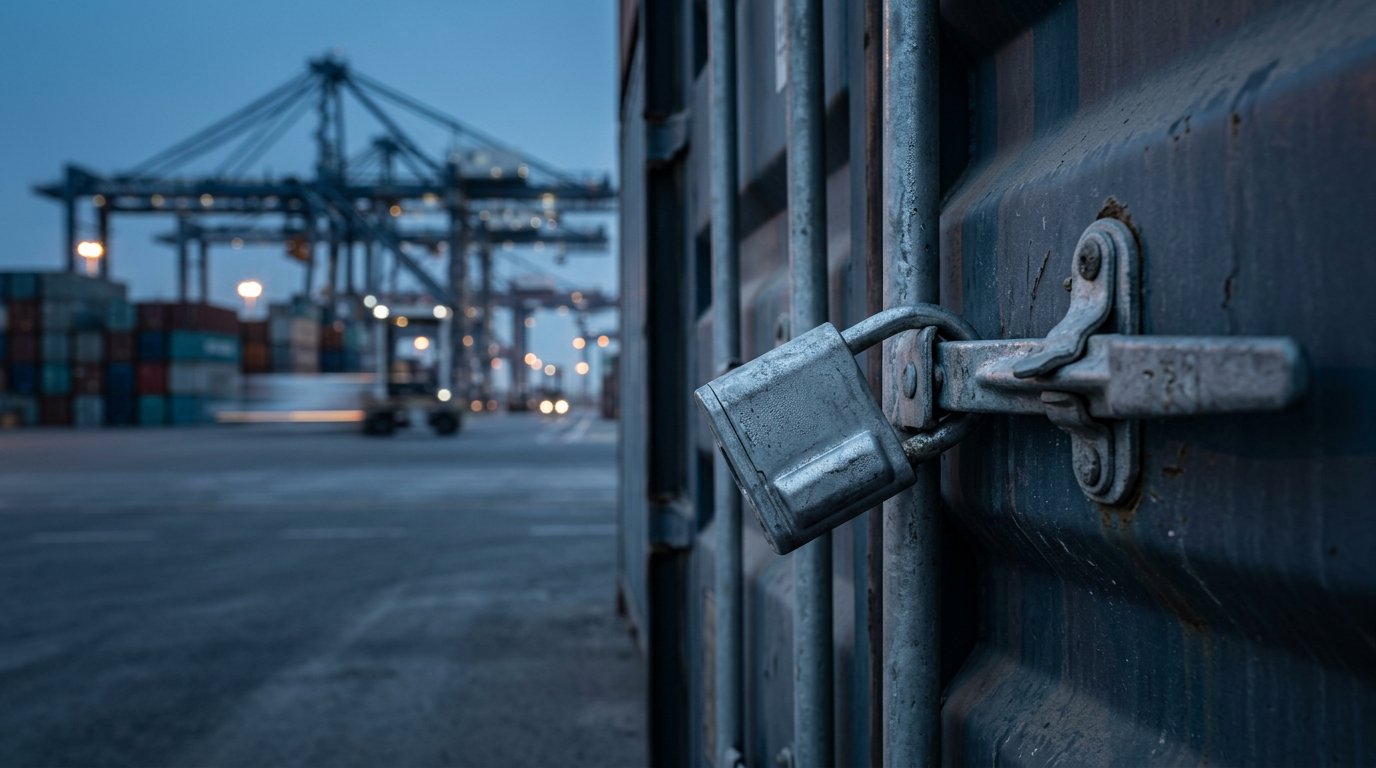
Doha, Qatar's General Authority of Customs confirmed on March 18, 2026, that the nation's supply chains remain robust, with no indications of goods shortages or disruptions. This assurance comes amidst ongoing regional geopolitical complexities. The country attributes its resilience to a combination of strategic reserves, advanced digital customs processes, and a diversified network of transportation routes.
Ahmed bin Abdullah Al Jamal, Chairman of the General Authority of Customs, emphasized that Qatar has implemented several measures to safeguard its import channels. These include sourcing goods from a variety of international markets, maintaining efficient logistics infrastructure, and holding substantial strategic stockpiles of essential commodities.
Digital Customs Enhancements
Central to Qatar's operational efficiency is the Al Nadeeb electronic customs clearance platform. This system has undergone recent upgrades to accelerate customs procedures and improve transparency across all import and export activities. The platform's continuous operation, alongside dedicated fast-track lanes for priority shipments, particularly food supplies, ensures rapid processing.
Regional Trade Facilitation
Qatar actively collaborates with the Gulf Customs Union Authority to streamline trade flows within the Gulf Cooperation Council (GCC) member states. This cooperation involves a specific mechanism designed to expedite customs clearance at intra-Gulf border crossings, fostering regional economic integration and efficiency.
Diversified Logistics Network
The nation's logistical strategy relies on an integrated multi-modal transport system. Key components include the Hamad Port for maritime freight and Hamad International Airport for air cargo, both serving as critical regional hubs. Additionally, the Abu Samra border crossing, linking Qatar with Saudi Arabia, has seen infrastructure enhancements to support increased land-based trade.
International Transport Integration
Further bolstering its land transport capabilities, Qatar integrated the Transports Internationaux Routiers (TIR) system with its Al Nadeeb platform in May 2025. This integration significantly reduces administrative burdens and minimizes waiting times at borders for road freight, enhancing the speed and predictability of international goods movement into and out of the country.
These comprehensive measures collectively underpin Qatar's ability to maintain stable supply chains despite external pressures, ensuring consistent availability of goods for its population and economy.
Implications
Country Impact: Qatar's proactive measures aim to insulate its domestic market from regional instability, ensuring consistent availability of essential goods and supporting economic continuity. This strategy enhances national resilience against potential external shocks.
Industry Impact: The focus on digital customs and diversified logistics benefits industries reliant on timely imports and exports, particularly food and manufacturing sectors. Enhanced regional trade facilitation also supports cross-border business operations within the GCC.
Market Impact: The assurance of stable supply chains can positively influence investor confidence in Qatar's economic stability. Reduced logistical bottlenecks and efficient trade mechanisms contribute to a more predictable and attractive business environment, potentially stabilizing local market prices.