Putin's security tightens as Kremlin fears assassination.
Reports indicate Vladimir Putin's security has been drastically increased, with the Russian president isolating in bunkers amid heightened assassination fears.
Lauren Collins ·
Moscow on Edge as Drones Reach Capital
Increased drone activity over the Russian capital is fueling reports of extreme security measures surrounding President Vladimir Putin. Amid growing fears of assassination, Moscow has scaled back its large-scale Victory Day parade as Ukrainian drones have targeted the city on consecutive nights, demonstrating a newfound reach far beyond the front lines.
These developments coincide with reports from credible intelligence and media sources suggesting the Russian president has retreated into a state of heightened isolation. The physical and psychological proximity of the conflict is now a primary concern for the Kremlin's internal security apparatus.
Fortress Kremlin: Unprecedented Protocols Enacted
According to an EU intelligence report cited by the Russian investigative outlet Important Stories, the Kremlin has implemented a strict new set of protocols. Staff members working in close proximity to the president are now reportedly forbidden from carrying mobile phones to prevent tracking or electronic exploitation.
Furthermore, the report claims Putin and his immediate family have ceased using their residences in the Moscow area. This shisources in routine points to a significant change in the perceived threat level against the Russian head of state. The measures suggest a belief that even well-defended, familiar locations are no longer considered secure from potential attack.
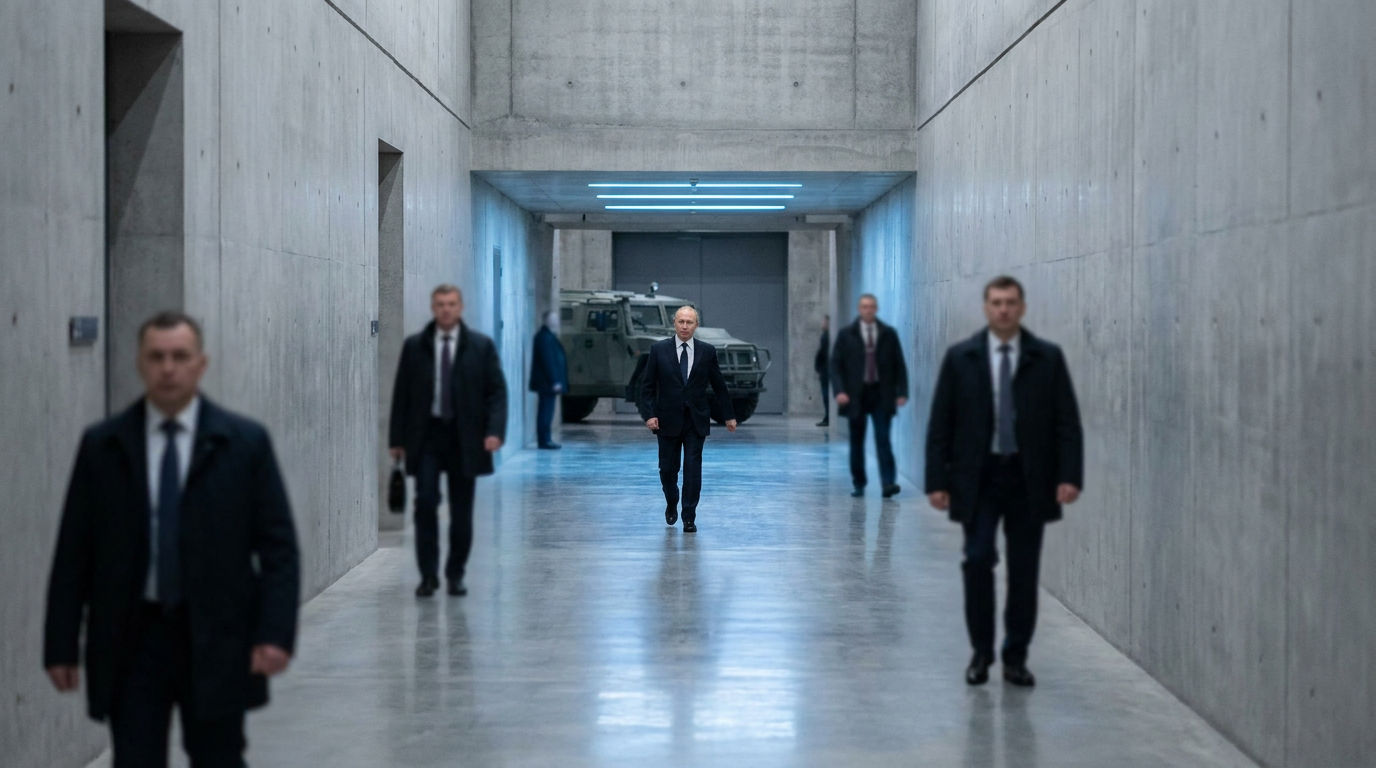
Adding to these accounts, the Financial Times has reported that Putin is spending an increasing amount of time managing the war against Ukraine from secure underground bunkers. This move is seen as a direct response to the threat posed by long-range drones, which could potentially target his official or personal residences.
Implications of a Leader in Isolation
The president's deepening isolation carries significant implications for Russia's command and control structure. Directing a complex military invasion from a bunker, disconnected from regular face-to-face counsel, could impact strategic decision-making and the flow of information within the Russian government.
This self-imposed seclusion publicly underscores the effectiveness of Ukraine's strategy to extend the battlefield. By bringing the war directly to Moscow, Ukraine has forced a defensive internal posture and created a narrative of vulnerability surrounding the once-unassailable Russian leadership.
Moving forward, analysts will closely monitor any changes in Putin's public appearance schedule and the Kremlin's official messaging. The combination of drone attacks and reported paranoia signals a new phase where the personal security of top Russian officials is a central factor in the conflict's dynamics.