Indian Leader Publicly Challenges Russian President
India's Prime Minister publicly rebuked Russia's President on September 2, 2026, sparking questions about Moscow's international support.
Mateo Fernandez ·
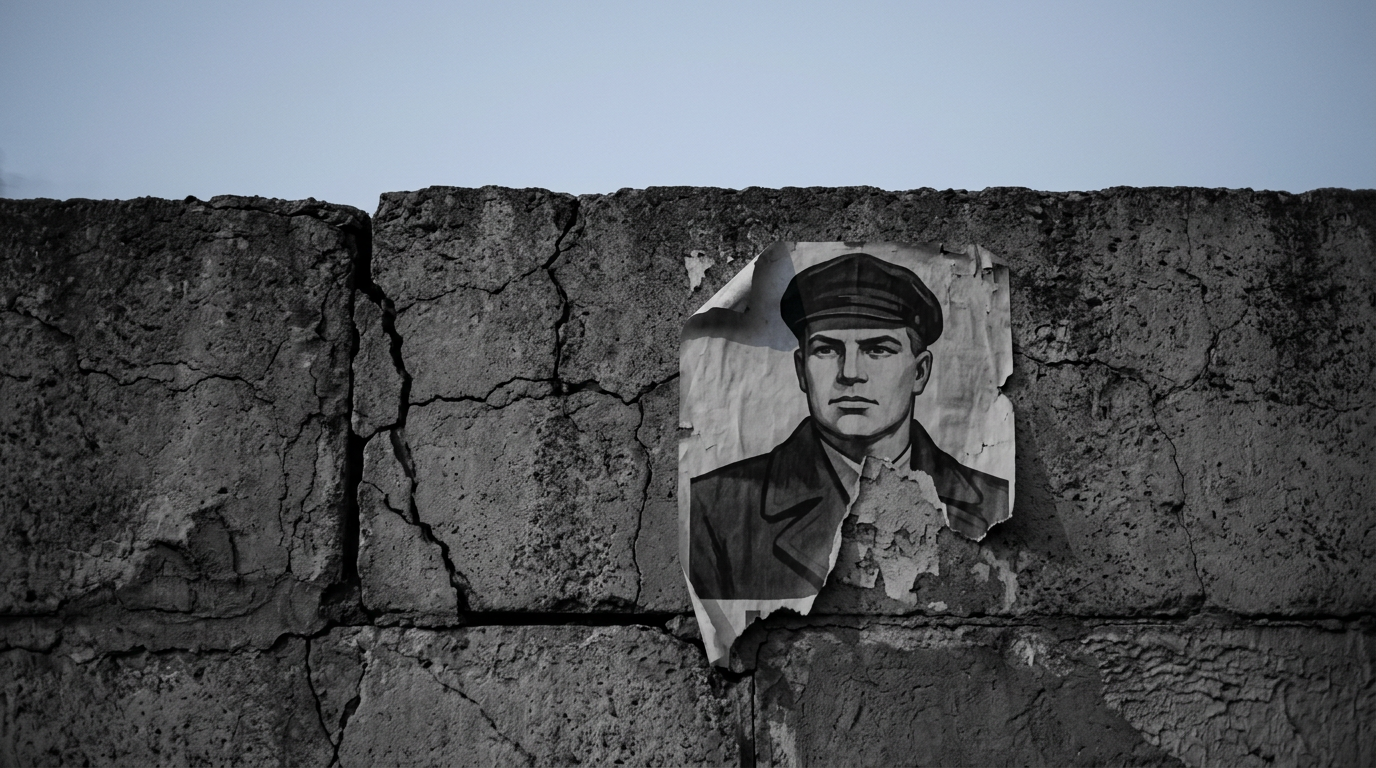
On September 2, 2026, the Prime Minister of India publicly expressed disapproval towards the Russian President, an event that has initiated discussions about potential shifts in diplomatic alignment among Moscow's international partners. Intelligence and diplomatic agencies are closely observing this development for any signals indicating a change in the pattern of support for Russia.
Despite the high-profile nature of this exchange, the immediate response across global markets and within various national capitals remained largely understated. One geopolitical analyst, after reviewing the remarks, suggested that the language used signifies a noticeable weakening of coordinated international backing for Russia. This assessment also points to growing constraints on Moscow's operational flexibility on the global stage.
Context of Diplomatic Relations
The direct criticism from the Indian Prime Minister followed a series of assertive statements previously issued by prominent pro-Kremlin figures earlier in the week, providing an immediate backdrop to the incident. This public interaction comes at a time when traditional alliances are under scrutiny, and global power dynamics are continually evolving.
Analysts further emphasized that the combination of these pro-Kremlin declarations and the subsequent public response from a significant international partner highlights how external pressures are increasingly limiting Russia's policy choices. Such public distancing by a traditionally close partner could potentially reduce Moscow's diplomatic and economic influence globally. Conversely, a clear reaffirmation of support from key allies might allow the Kremlin to more effectively mitigate the impact of international criticism.
Monitoring Future Statements
Officials have indicated that they are vigilantly tracking which path Russia's partners ultimately choose. They are also assessing whether the current rhetoric will translate into concrete policy adjustments from these nations. The diplomatic community is particularly focused on understanding the long-term implications of this public exchange, especially given the established historical ties between India and Russia.
The situation is regarded as fluid, with particular attention directed towards any further official statements anticipated by September 9, 2026. Officials plan to continue monitoring comments and actions through this date to identify any sustained shifts in alliance behavior. This period is deemed crucial for understanding the potential evolution of international relations concerning Russia and its network of allies.
This incident raises broader questions about the cohesion of established geopolitical alignments and how individual national interests influence multilateral diplomatic strategies. The observations made during this critical period are expected to inform future foreign policy considerations for numerous countries involved in complex international relationships with Moscow.