Iran Ceasefire Nears End, Tensions Mount
U.S.-Iran ceasefire nears expiration as Trump signals attacks may resume without a substantial deal; talks in Pakistan remain uncertain.
Lauren Collins ·
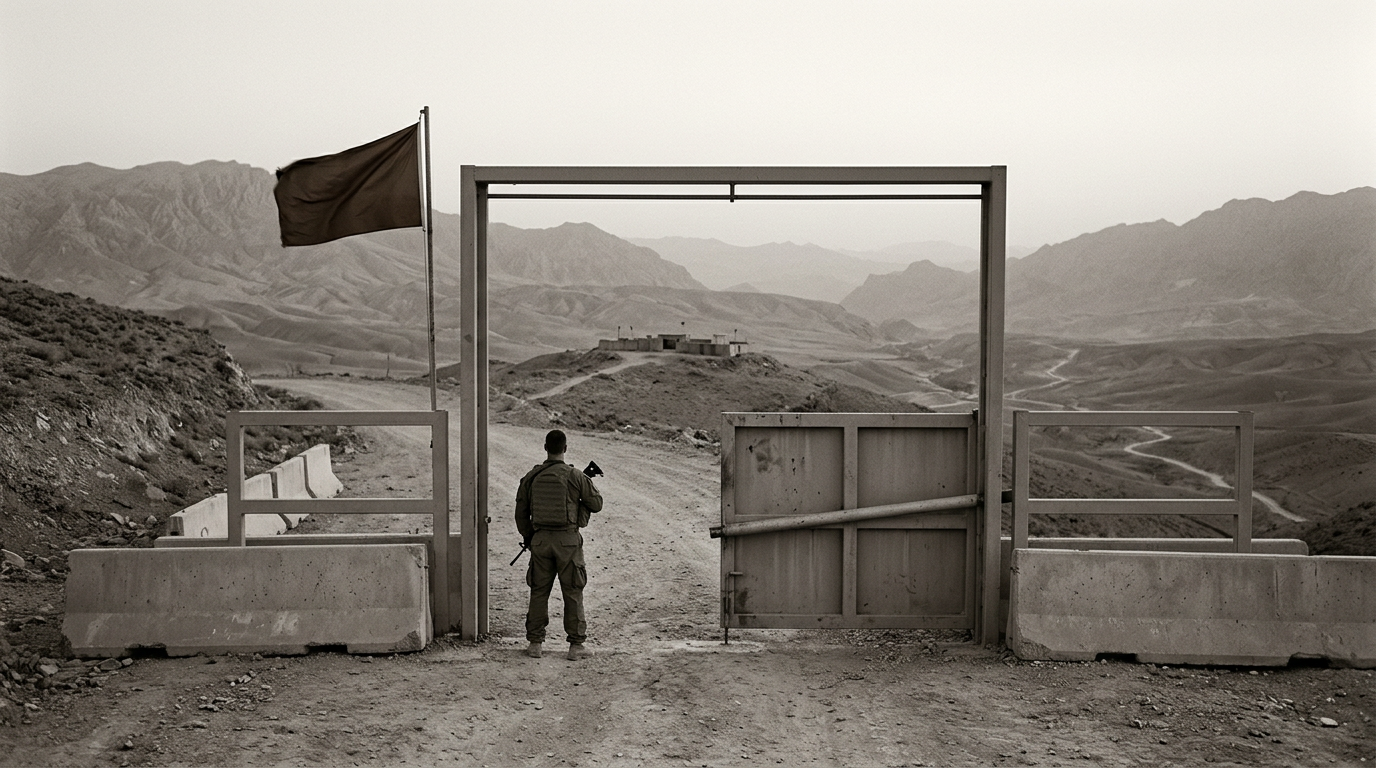
The two-week ceasefire between the United States and Iran is approaching its end , with U.S. President Donald Trump saying on Tuesday that the United States is prepared to restart attacks if diplomacy does not deliver progress. He told CNBC the U.S. military is ready for renewed action and said he does not plan to extend the ceasefire unless there is a substantial agreement.
Efforts were described as intense to arrange a new round of talks in Pakistan, with Islamabad mentioned as the intended venue. Iran, however, said no delegation had traveled to Islamabad, creating uncertainty over whether negotiations are actually imminent and who would participate.
Trump’s comments also included a reference to possible targets, with him previously indicating that civilian infrastructure could be included. On the Iranian side, chief negotiator Mohammad Bagher Ghalibaf rejected talks conducted under pressure, saying Iran would not accept what he called a “table of surrender” and that it was preparing “new cards on the battlefield.”
There is also disagreement over the precise timing of the ceasefire’s expiration. Iran has cited early Wednesday, while the United States has indicated late Wednesday, leaving a narrow window in which both sides may interpret the deadline differently.
A previous round of talks in Islamabad ended without a breakthrough, and key issues remained unresolved. Among them was the Strait of Hormuz closure, which has affected approximately one-fifth of global oil and gas supplies, underscoring why the dispute has been closely watched by governments and markets well beyond the region.
Energy market stress has been highlighted by the head of the International Energy Agency, Fatih Birol, who described the combined impact on energy markets as the “biggest crisis in history.” The statement reflects the scale of disruption tied to the conflict’s spillover into shipping and supply routes.
Alongside the diplomatic track, the United States has increased pressure through a blockade of Iranian ports. Officials also cited the seizure of an Iranian cargo vessel and an oil tanker, steps that add to the operational and commercial constraints facing Iran as the ceasefire deadline approaches.
With the ceasefire’s end disputed by hours and talks in Pakistan uncertain, the immediate outlook hinges on whether a substantial agreement emerges in time to prevent renewed military action. For global stakeholders, the central unknown remains whether negotiations can address the unresolved issues that have already disrupted energy flows linked to the Strait of Hormuz.