Prostate Cancer Cases Rise 3% Yearly in Screening Shift
Prostate cancer cases are increasing by 3% annually, with advanced-stage diagnoses rising between 2014-2022, signaling issues in early detection.
Atlas Newsdesk ·
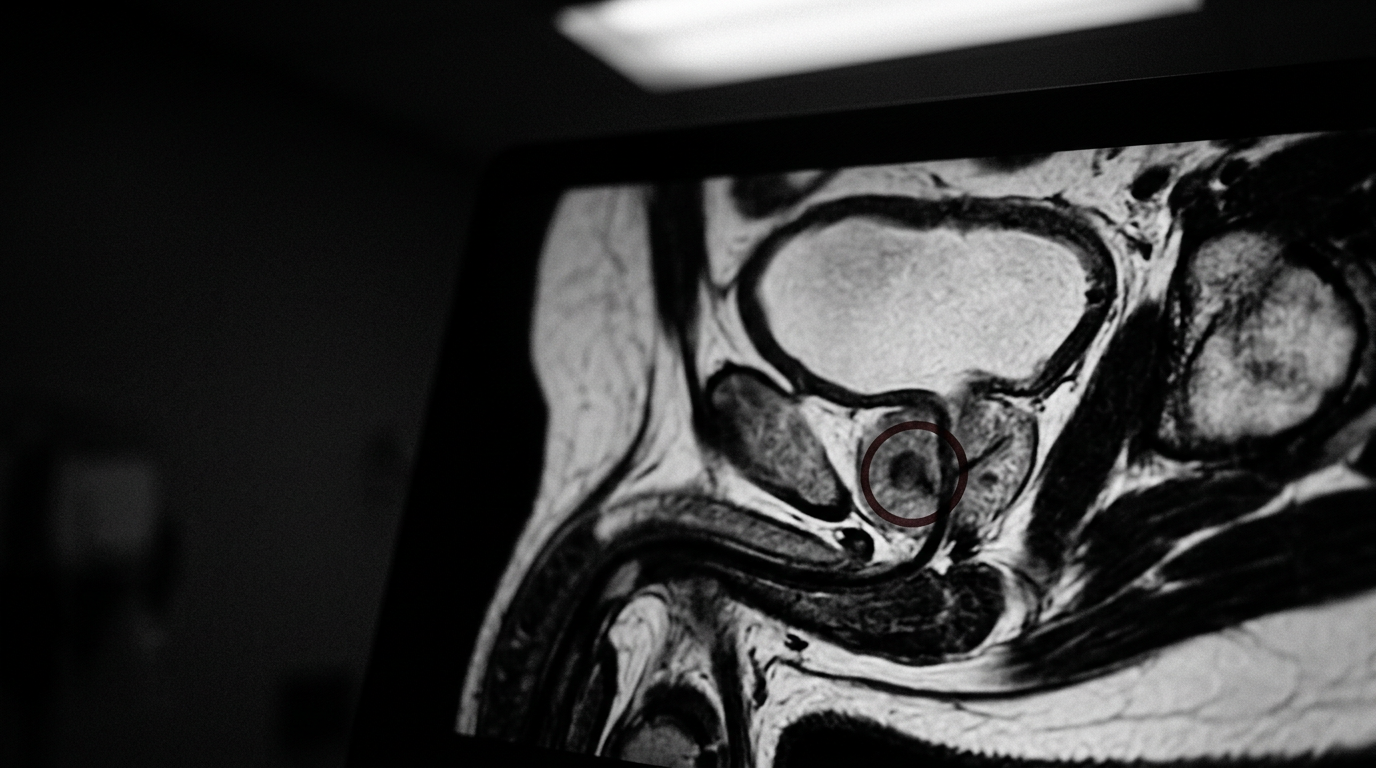
The incidence of prostate cancer is growing by approximately 3% each year, with a significant increase in diagnoses occurring at advanced stages observed between 2014 and 2022. Forecasts suggest that by 2026, there will be 333,830 new cases and 36,320 deaths linked to the disease. This trend indicates that current clinical screening methods may not be effectively identifying the condition during its early, more treatable phases.
While an increase in diagnostic volume is linked to higher screening rates, the rising detection of advanced-stage cases suggests that these interventions are often too late for individuals at high risk. Early detection remains a crucial element for long-term survival prospects.
Survival Rates and Screening Challenges
For prostate cancer cases that are localized, the five-year survival rate stands at 99%. This figure drops considerably for metastatic disease, highlighting the critical importance of early diagnosis. The observed trend implies a potential gap in current screening protocols, as a higher proportion of cases are progressing undetected to later stages.
Public health initiatives currently advocate for shared decision-making between patients and healthcare providers regarding screening. Recommended ages for initiating screening typically range from 40 to 50 years, adjusted based on an individual's specific risk profile.
Disparities in Incidence and Targeted Outreach
Demographic data indicates a significant health disparity, with Black men experiencing a 70% higher incidence rate of prostate cancer. This necessitates focused screening outreach programs designed to address systemic health inequalities and reduce long-term morbidity costs associated with delayed diagnosis in this demographic.
The persistent rise in advanced-stage diagnoses, despite increased screening efforts, points to an ongoing challenge in refining strategies for timely identification, particularly for vulnerable populations.