Kinetic Implant Powers Stroke Rehab Without Batteries
A new battery-free, self-powered neural device uses kinetic energy to assist ankle movement, offering a sustainable solution for stroke rehabilitation and mobility impairment.
Atlas Newsdesk ·
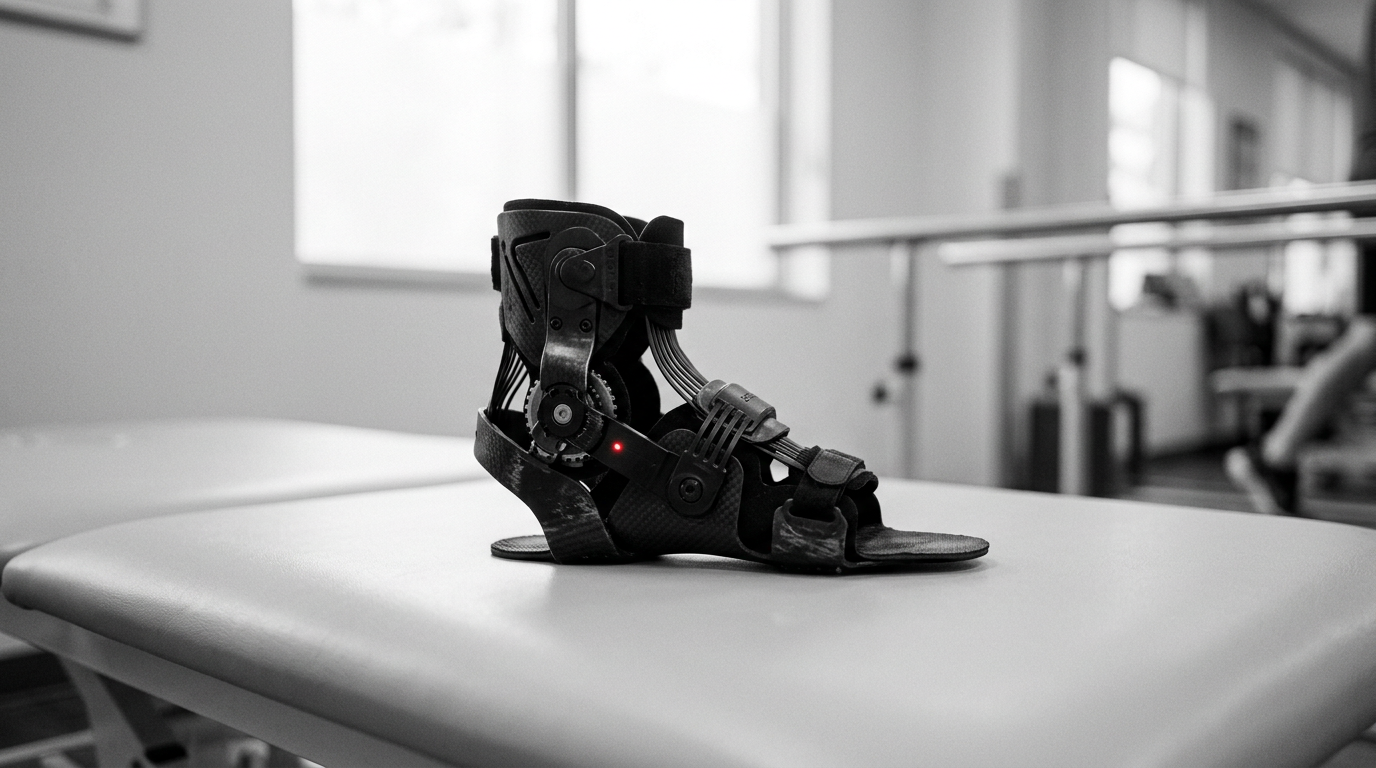
Researchers in mainland China and Hong Kong have developed a battery-free neural prosthesis designed to assist individuals with mobility impairments, including stroke survivors. The device utilizes mechanical energy harvested from the wearer’s natural gait to provide electrical stimulation to ankle muscles, facilitating improved walking patterns.
By eliminating the need for external power sources or complex sensor arrays, the technology reduces the physical and logistical burden typically associated with assistive medical devices. This autonomous operation minimizes reliance on battery management and external control systems, potentially increasing the reliability of long-term rehabilitation tools.
The integration of energy-harvesting technology into medical prosthetics represents a shift toward self-sustaining assistive devices. If successfully scaled, this development could lower healthcare costs associated with mobility support and reduce fall-related risks in aging populations. Future applications may extend beyond clinical rehabilitation to include training and performance optimization.