US Shifts Iran Strategy Towards Economic Pressure, Strait Focus
The US administration has reportedly pivoted its Iran strategy, emphasizing economic pressure and maritime security in the Strait of Hormuz, moving away from…
Mateo Fernandez ·
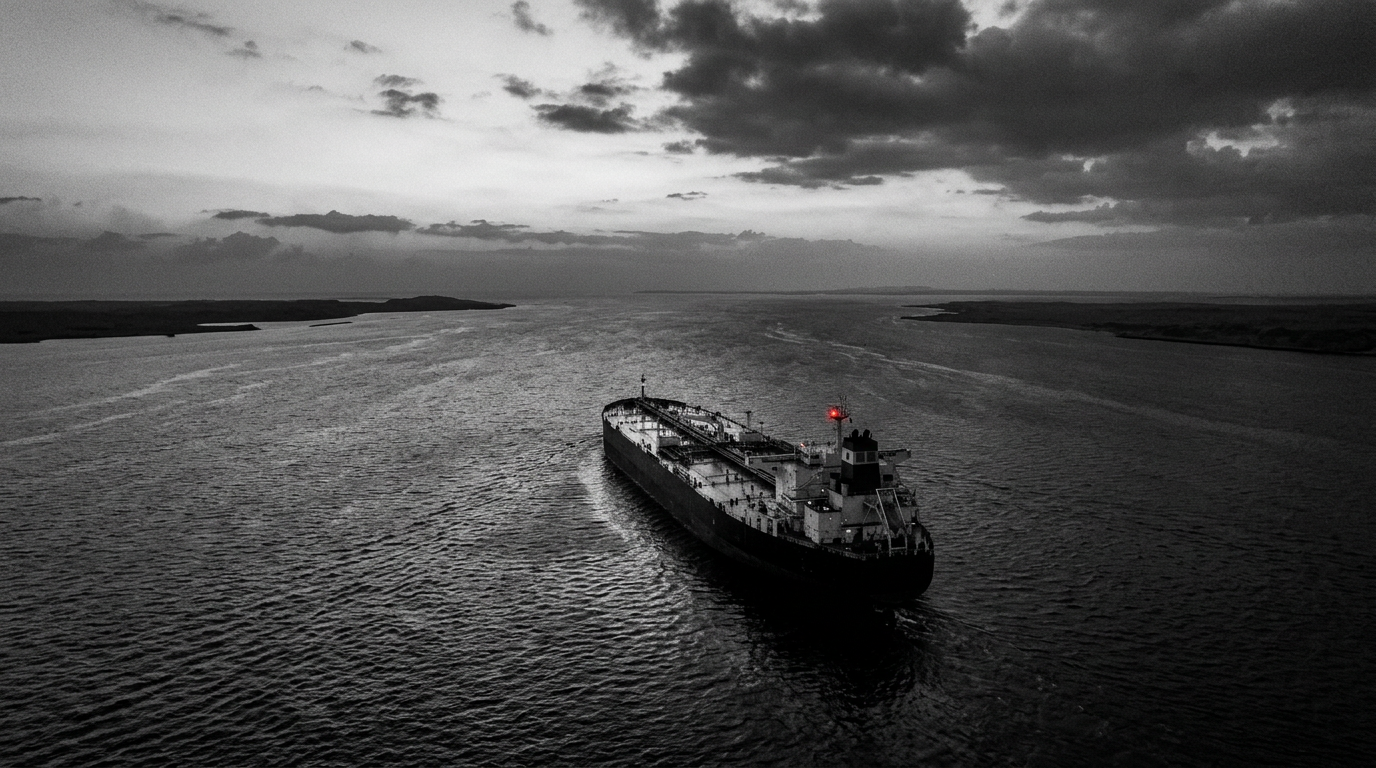
The United States administration has reportedly redefined its strategic approach to Iran, shifting focus from potential direct military engagements to a combination of intensified economic pressure and robust maritime security operations. This policy evolution, which has been underway for the past six months, designates the Strait of Hormuz as a primary strategic objective, according to officials familiar with these developments. The shift aims to apply substantial economic and logistical constraints on Tehran without initiating a broader military conflict.
Previously, the administration had considered more direct and kinetic responses in its interactions with Iran. However, the current emphasis involves a significant increase in sanctions, targeted maritime activities, and other measures intended to restrict Iran's economic reach and naval capacity. This recalibration is designed to manage tensions through sustained, non-military means, focusing on leveraging economic tools and ensuring global shipping safety.
Securing Critical Maritime Passage
A core element of this updated strategy involves amplified efforts to secure international shipping lanes, particularly within the vital Strait of Hormuz. Defense officials indicated that naval patrols have been increased, alongside enhanced coordination with regional allies to safeguard this critical waterway. The Strait, a narrow chokepoint for a substantial portion of the world's oil supply, presents a paramount concern for international commerce and energy markets due to its strategic importance.
Concurrently, US Treasury and Commerce departments are targeting entities associated with Iran's financial and energy sectors. These actions are part of a wider initiative to exert economic leverage and diminish Tehran's ability to fund its regional activities and military programs. The administration believes that this multi-faceted strategy offers a more sustainable path for managing regional tensions compared to direct military confrontation.
Operational Timelines and Future Considerations
Officials have stated that this policy shift is now entering a more defined phase. The White House anticipates the unveiling of a comprehensive operational plan by September 30, 2026. This date will serve as a crucial benchmark for assessing the effectiveness of the strategy's dual focus on economic pressure and maritime control. The success of this approach depends on its capacity to mitigate the risks of direct military engagement while simultaneously addressing concerns about oil market stability and alliance cohesion.
The administration navigates a complex geopolitical landscape, balancing its strategic goals with the potential for unforeseen consequences in a highly sensitive region. The long-term implications of this strategy will be determined by its execution and the responses from various international actors, including Iran itself. While the stated is to achieve policy objectives through sustained, non-military means, the pathway to this outcome remains subject to ongoing diplomatic and security challenges and the reactions of various stakeholders.