NFL offenses expand multi-tight-end packages as 2026 minicamps open
NFL offenses are diversifying personnel. 13 personnel is up in 2025 due to strategic advantages & tight end drafting trends.
Mehmet Şahinoğlu ·
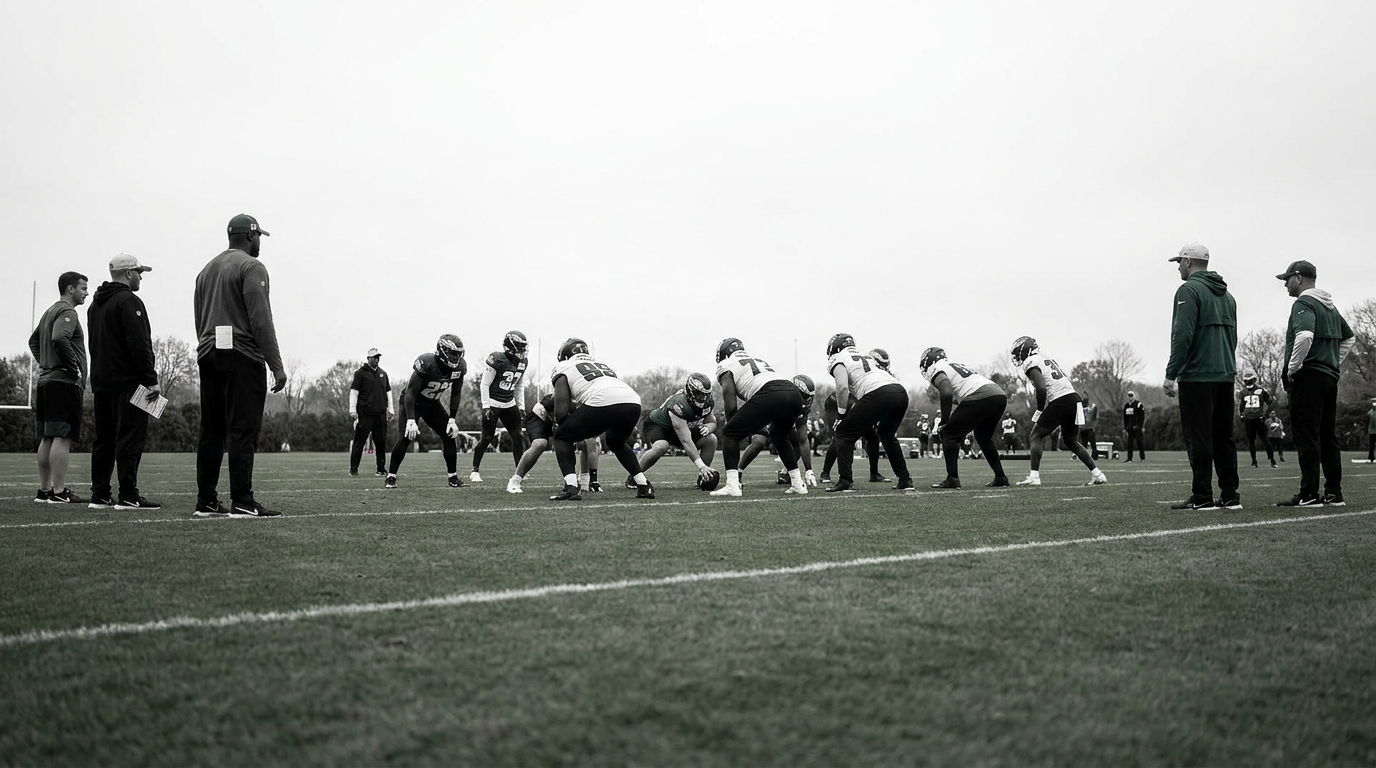
NFL offenses broadened their personnel menus in the 2025 season, with a clear rise in 13 personnel (one running back and three tight ends). The trend is back in focus as mandatory minicamps for the 2026 season begin, with teams looking to stress defenses through changing body types, spacing and run-pass tendencies without telegraphing intent before the snap.
Leaguewide tracking cited in the analysis counted 1,845 offensive plays in 2025 that featured three or more tight ends, the highest single-season total since the data set began in 2007.
The increase has not replaced three-receiver football. Instead, offenses are mixing heavier groupings alongside staple sets such as 11 personnel (one running back, one tight end) and 12 personnel (one running back, two tight ends), shifting into bigger packages to manufacture matchups and disguise tendencies. The analysis highlighted which teams were most efficient in specific groupings during 2025 and which clubs could lean further into them in 2026.
Rams drive 13 personnel efficiency in 2025
The Los Angeles Rams were identified as the primary engine behind the league’s 13-personnel uptick. In that grouping, the Rams posted a league-best 75.25 Expected Points Added (EPA), with quarterback Matthew Stafford completing nearly 70% of his passes and throwing 20 touchdowns from those looks, according to the cited figures.
The structure can pull defenses toward heavier bodies to defend the run, then punish those looks with play-action and intermediate throws if tight ends can win route matchups.
The leaguewide rise in three-tight-end usage also reflects how offenses can create different pictures without substituting. By aligning tight ends across the formation, teams can keep similar pre-snap shapes while changing responsibilities and run-pass balance, forcing defenses to declare personnel and coverage choices earlier.
11 and 12 personnel remain core building blocks
The analysis stressed that 11 personnel remains a high-output foundation for many teams. The Dallas Cowboys were cited as the NFL’s most productive 11-personnel offense in 2025, leading the league with 101.80 EPA and averaging 6.6 yards per play in that grouping. The takeaway was that three-receiver sets can still deliver top-end efficiency when paired with consistent early-down execution.
In 12 personnel, the Atlanta Falcons were highlighted as the standout unit. On 400 snaps in that grouping, Atlanta produced a 50.16 EPA and totaled 2,455 yards, numbers that point to how two-tight-end structures can keep an offense balanced while forcing defenses to choose between base packages and lighter sub packages. The cited split reinforced why many staffs treat 12 personnel as a way to stay multiple without giving up either the run game or play-action access.
Bills and Eagles among 2026 teams to watch
Looking ahead to 2026, the Buffalo Bills were flagged as a team expected to keep 11 personnel as a foundational set while continuing to mix multiple packages. In 2025, Buffalo led the league with 79 explosive plays out of 11 personnel, defined in the data as runs of 10 or more yards and passes of 20 or more yards. The emphasis, as presented, is on maintaining spacing and tempo while preserving the flexibility to jump into heavier looks.
The Philadelphia Eagles were also listed as a team to monitor for increased 12-personnel usage under coordinator Sean Mannion. The projection was tied to tight end options that include Dallas Goedert and rookie Eli Stowers, along with an expectation of more under-center and play-action concepts from those alignments. The analysis argued that additional two-tight-end snaps can help dictate defensive personnel and simplify the run-pass picture.
Draft investment signals staying power for tight end-heavy football
The report argued that the move toward multi-tight-end football could have staying power based on roster-building patterns. A record 17 tight ends were selected in the first five rounds of the most recent draft, supporting the idea that teams anticipate ongoing demand for players who can block, run routes and align in multiple spots. Those skill sets allow offenses to shift between run-heavy and pass-heavy concepts without substituting, keeping defenses from matching with specialist personnel.
As offseason work moves from minicamps toward training camp, a key question is not whether 13 personnel will replace three-receiver sets, but how often teams can use heavier groupings to force uncomfortable defensive decisions. The 2025 efficiency splits cited in the analysis suggest the best returns come when formation variety is paired with efficient quarterback play.