Bakersfield Gas Prices Surge Amid Global Oil Volatility
Bakersfield gas prices surged 30 cents per gallon in one week, reaching $5.32, driven by global oil market volatility and Middle East tensions.
Atlas Newsdesk ·
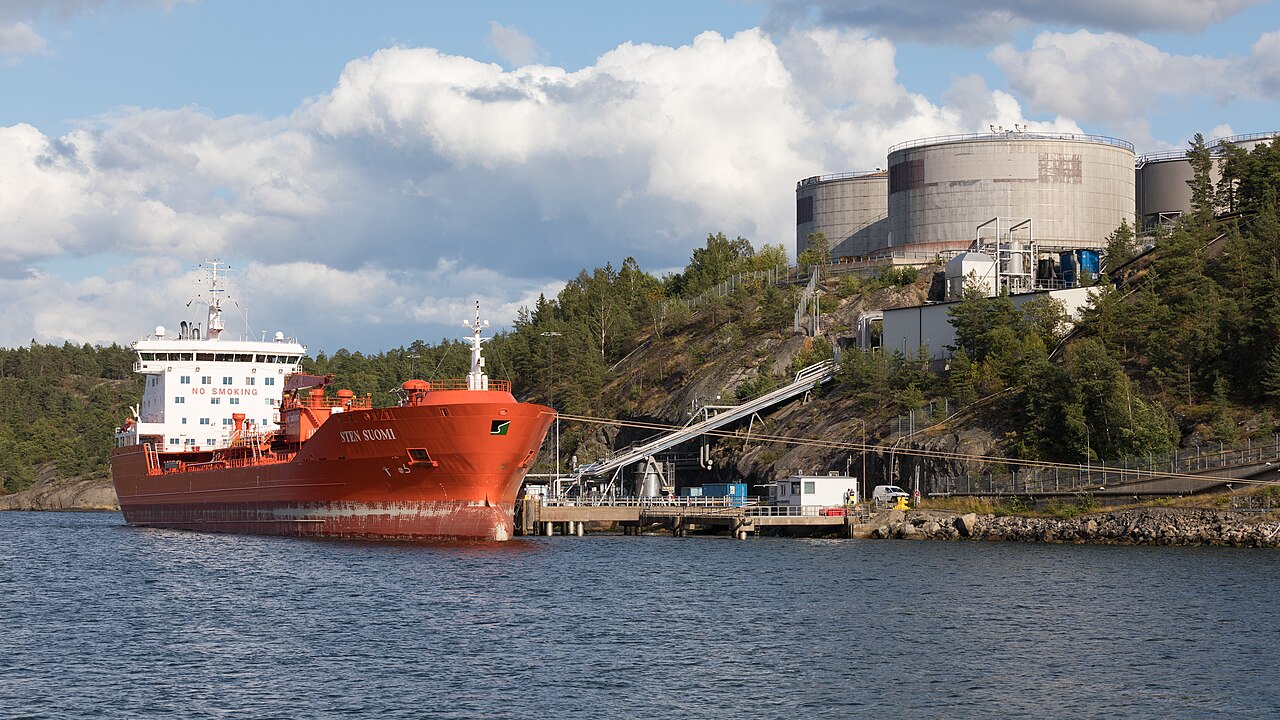
Gasoline prices in Bakersfield, California, experienced a significant increase of approximately 30 cents per gallon during the week of March 6 to March 13, 2026. This local surge reflects broader market dynamics, primarily driven by escalating global crude oil prices influenced by geopolitical tensions in the Middle East, specifically the ongoing conflict involving Iran.
The average price for regular gasoline in Bakersfield reached $5.32 per gallon by March 13, a notable rise from $4.80 just one week prior and $4.43 a month earlier. This upward trend is consistent with statewide figures, as California's average price for regular gasoline stood at $5.41 per gallon, considerably higher than the national average of $3.63.
Geopolitical Factors Driving Price Hikes
The primary catalyst for this recent price escalation is the heightened geopolitical instability in the Middle East. The ongoing conflict involving Iran has introduced significant uncertainty into global oil markets. Traders and analysts are reacting to concerns about potential disruptions to crude oil supplies, which directly impacts wholesale gasoline costs.
Historically, geopolitical events in major oil-producing regions often lead to speculative buying and increased volatility in crude oil futures. This current situation is no exception, as market participants price in the risk of supply chain interruptions or reduced output from key producers.
Regional and National Price Disparities
California consistently records higher gasoline prices compared to the national average due to a combination of factors. These include stringent environmental regulations that necessitate specialized fuel blends, higher state taxes, and limited refining capacity. The recent global crude oil price increases exacerbate these existing cost structures, leading to more pronounced price hikes at the pump for California consumers.
For instance, a Chevron station on Oak Street in Bakersfield observed its regular gasoline price climb from $5.39 to $5.69 per gallon within the specified seven-day period. This specific example illustrates the rapid adjustments occurring at the retail level in response to wholesale market shifts.
Economic Implications for Consumers
The sustained rise in fuel costs directly impacts household budgets and operational expenses for businesses, particularly those reliant on transportation. Higher gasoline prices can contribute to inflationary pressures across various sectors, as increased shipping costs are often passed on to consumers. The duration of these elevated prices remains uncertain, contingent on the evolution of the geopolitical situation and its impact on global oil supply and demand dynamics.
Analysts are closely monitoring developments in the Middle East, as any de-escalation or further intensification of the conflict could significantly alter the trajectory of crude oil prices. The interconnectedness of global energy markets means that regional conflicts can have far-reaching economic consequences worldwide.
Implications
Country Impact: The United States, particularly California, faces increased inflationary pressures from rising fuel costs, impacting consumer spending and business logistics. The national average, while lower, could also see upward pressure if global oil prices remain elevated.
Industry Impact: The transportation and logistics sectors will experience higher operational costs, potentially leading to increased prices for goods and services. Airlines, trucking companies, and ride-sharing services are particularly vulnerable to sustained fuel price hikes.
Market Impact: Global energy markets are exhibiting heightened volatility, with crude oil prices reacting sharply to geopolitical events. This instability could lead to broader market uncertainty, affecting investor confidence and potentially influencing central bank monetary policy decisions.