Bangsamoro Region Holds First Parliamentary Elections
The Bangsamoro Autonomous Region in Muslim Mindanao is holding its first parliamentary elections to formalize self-governance and solidify a decade-long…
Lauren Collins ·
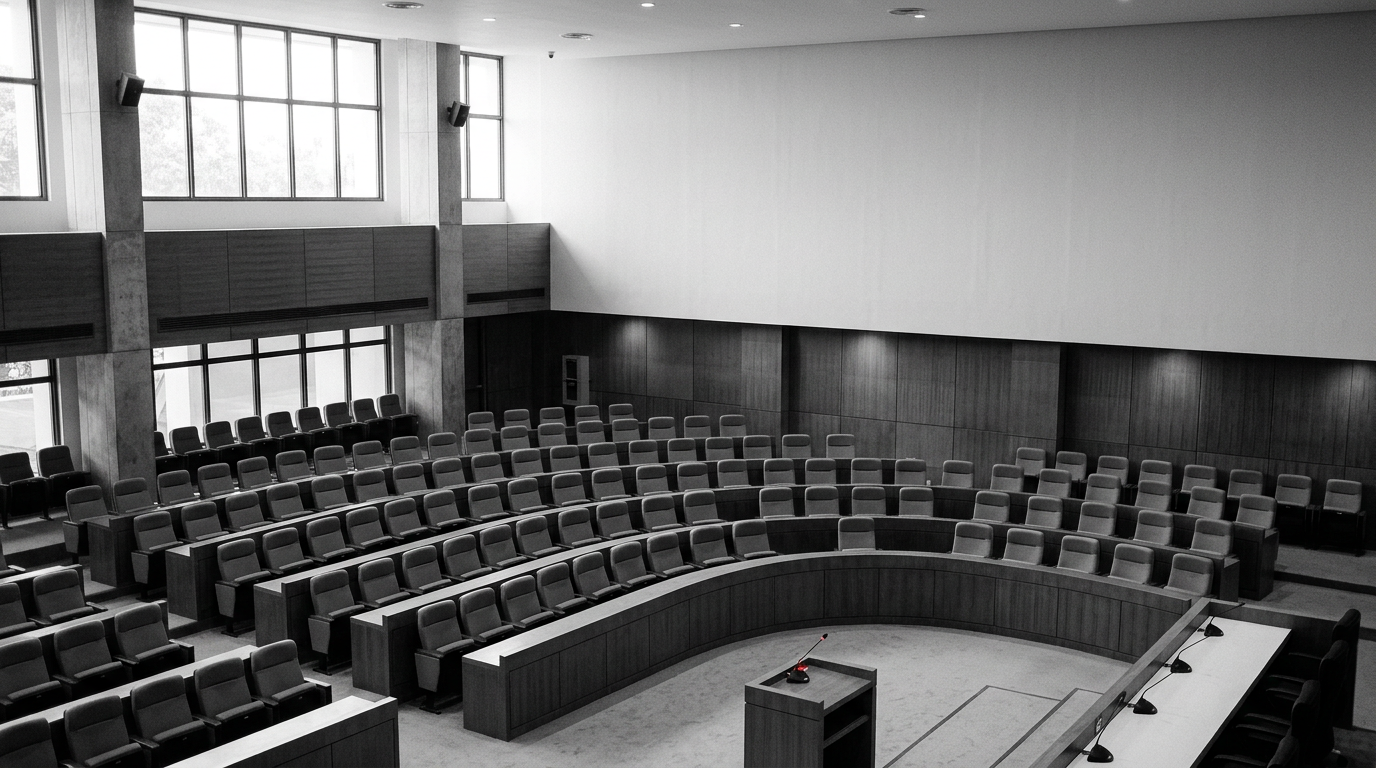
The Bangsamoro Autonomous Region in Muslim Mindanao (BARMM) initiated its inaugural parliamentary elections on September 14, marking a crucial step in the region's transition from decades of insurgency to institutionalized self-governance. This electoral process stems from a 2014 peace agreement between the Philippine government and the Moro Islamic Liberation Front.
Approximately 2.4 million registered voters are participating to elect members for an 80-seat parliament. This legislative body will comprise 40 party representatives, 32 district representatives, and eight sectoral representatives. These elected members will then select the region’s chief minister, who is responsible for leading the executive branch.
Autonomous Framework Faces Key Test The Bangsamoro Autonomous Region The election serves as a significant test for the stability of the autonomous framework. Successful implementation of this parliamentary system is considered essential for long-term security and for mitigating historical conflicts over land and resource control in the southern Philippines. Election officials have set an 80 percent voter turnout target, aiming to validate the legitimacy of the new governance structure. Electoral Dynamics and Future Outlook The composition of the parliament, with its blend of party, district, and sectoral representation, reflects an effort to ensure broad-based representation within the region. If voter turnout meets the 80 percent target, it would bolster the new government's mandate. Conversely, a lower turnout could raise questions about the system's broad acceptance, potentially slowing the full transition to comprehensive self-governance and economic development for the region.