Hegseth Denies USS Lincoln Readiness Concerns
Defense Secretary Pete Hegseth says reports on USS Abraham Lincoln's readiness were misrepresented amid congressional questions over its long deployment.
Atlas Newsdesk ·
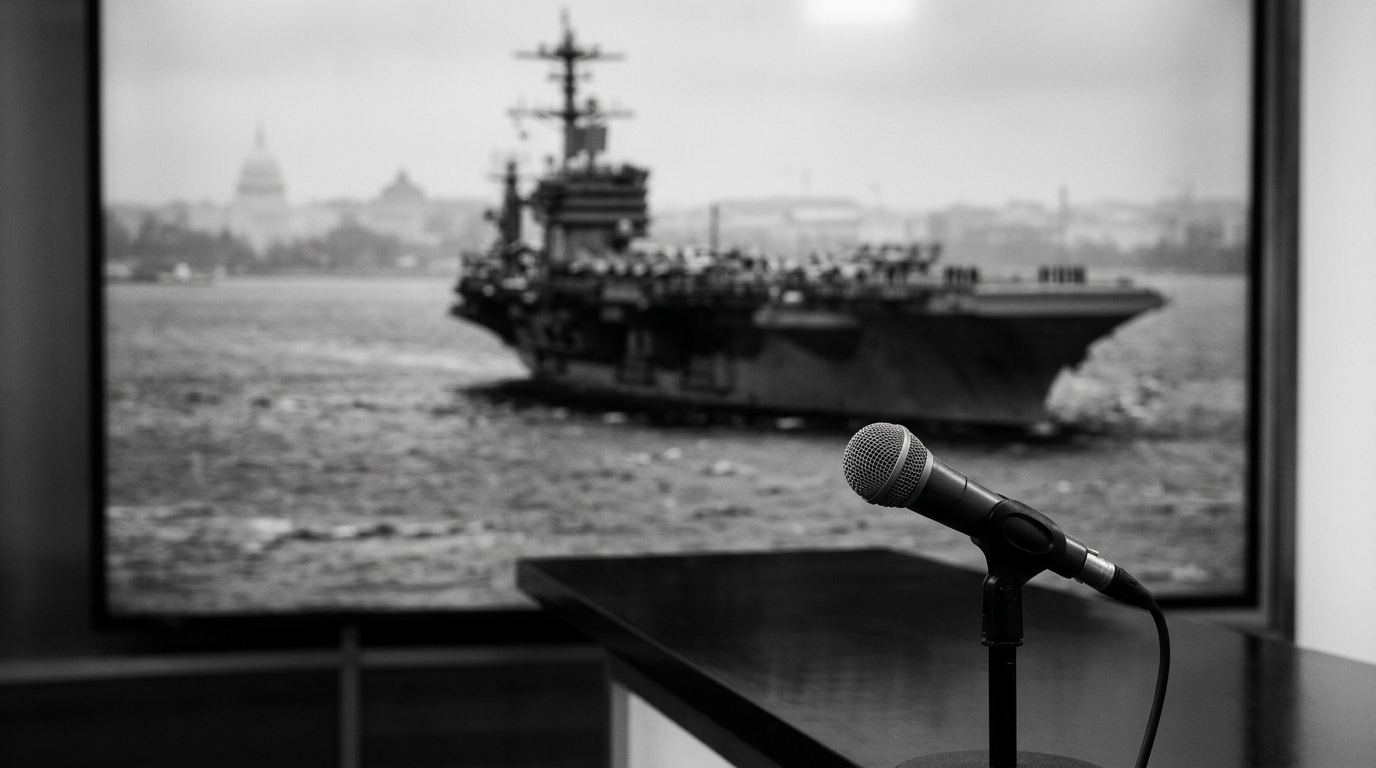
US Defense Secretary Pete Hegseth rejected reports that linked worsening onboard conditions and mental health struggles among sailors to the USS Abraham Lincoln’s nearly nine-month deployment. Speaking to reporters during a visit to Panama, he said the situation had been “completely misrepresented” as scrutiny increased around the deployment’s length, which the reports described as record-breaking.
His comments came as congressional questions intensified about what an extended stretch at sea could mean for the aircraft carrier’s readiness. The disputed coverage connected the long deployment to concerns about living conditions and sailor welfare, while also feeding a wider debate over whether sustained operational tempo can affect performance over time.
Pentagon stance: support “at every single moment” Hegseth told reporters that the Pentagon works continuously to ensure ships and crews receive what they need throughout deployments. “We make sure every ship, every crew, every captain has everything we can provide them at every single moment,” he said.
He also said deployment lengths vary by mission, adding that “some deployments are longer than others.” In his remarks, he praised sailors for operating in “high seas” and “austere conditions with less port calls,” describing those strains as part of what certain assignments can require.
Welfare claims and readiness questions remain unsettled
The reports Hegseth disputed tied the extended time at sea to allegations that living conditions had deteriorated and that sailors were facing mental health challenges onboard. In Panama, he did not accept the characterization that conditions on the carrier had significantly worsened.
Those same accounts also intersected with readiness questions, with the carrier’s tempo cited as a factor in evaluating whether a carrier strike group can sustain performance across prolonged operations. Lawmakers, according to the descriptions of the debate, have been pressing the Defense Department to explain how it weighs mission demands against crew welfare as deployments extend.
However, key details were not clarified in the remarks reported from Panama. Officials did not specify which claims in the reports were inaccurate, and they did not outline what metrics were being used to assess ship readiness or sailor welfare.
The reports also associated the USS Abraham Lincoln with support for the Iran war, a characterization Hegseth did not endorse in his comments. With limited public information on how conditions onboard are being measured and reported, unanswered questions are likely to shape how future public updates are interpreted.