Russia Strikes Kyiv Logistics, Food Supply Tightens
Russia’s August 5 missile strikes damaged Kyiv distribution hubs, causing localized food shortages as retailers reroute supply and aim for late-August…
Atlas Newsdesk ·
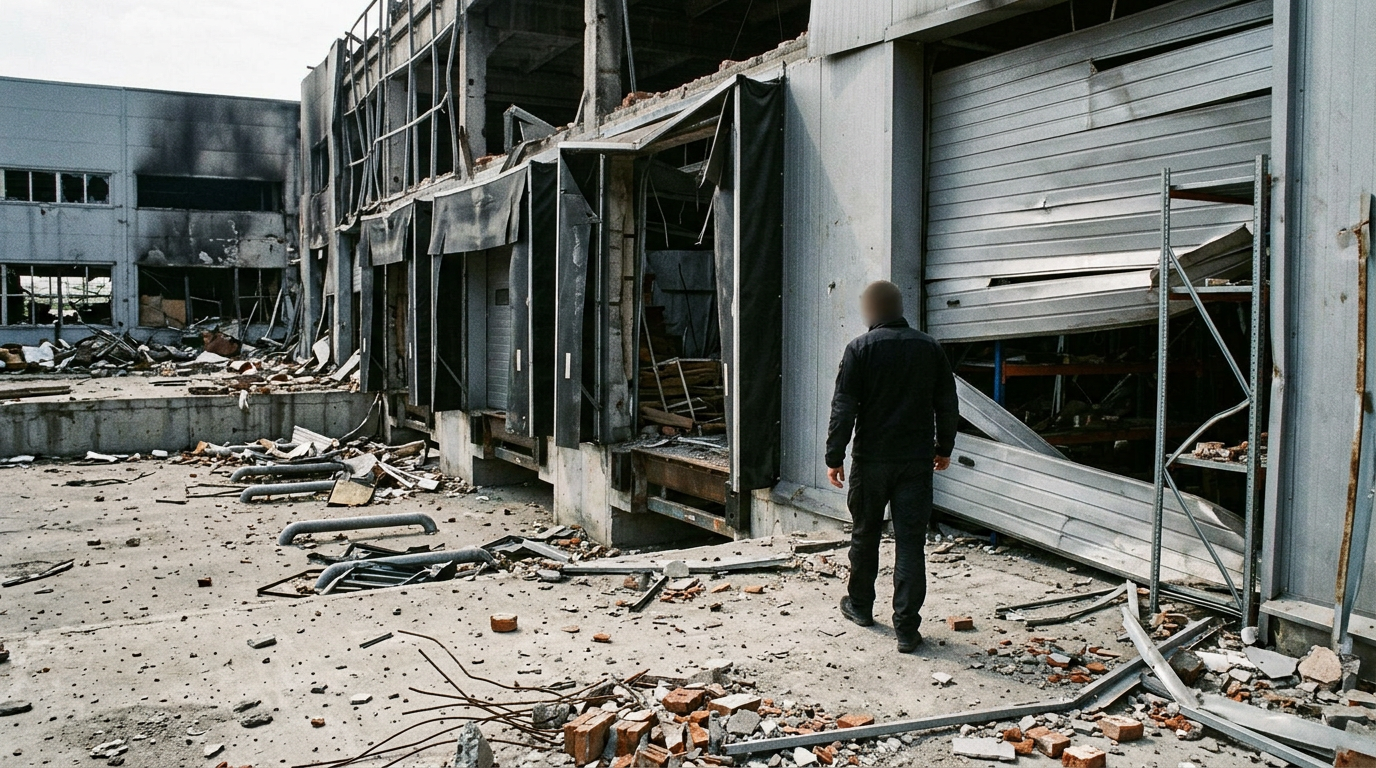
Ballistic missile strikes on August 5 damaged major distribution centers and logistics hubs that supply leading supermarket chains in Kyiv, retailers said. Officials and retailers described the hit sites as high-capacity warehouses built to move goods quickly across the capital, creating immediate strain on retail food availability.
With several facilities heavily damaged, some stores reported localized gaps in essential items, including dairy products, fresh produce, and dry staples, according to retailers. Companies said the damage has reduced the throughput needed to keep shelves consistently stocked across a large urban network.
High-capacity hubs hit, narrowing routes into stores Retailers said the loss of multiple hubs has Retailers said the loss of multiple hubs has tightened routing options for deliveries across Kyiv. They warned that when distribution is concentrated in a limited number of large facilities, disruption at one node can trigger knock-on effects elsewhere in the system. Companies also pointed to disruption involving warehouses linked to major online marketplaces. Retailers said those locations typically handle large volumes and support rapid replenishment, and that their loss has become a bottleneck for regional supply flows into Kyiv. Officials and retailers said the affected sites were central to day-to-day restocking, helping shift goods from inbound shipments to store-level deliveries at speed. Retailers said the destruction of core logistics assets has made it harder to keep inventory stable as remaining facilities absorb additional demand.
Retailers rebuild distribution as shoppers stockpile
Retailers said the shock to supply has been Retailers said the shock to supply has been compounded by increased consumer stockpiling after shoppers noticed thinning inventory. They indicated that the surge in demand has added volatility, slowing efforts to stabilize availability even where supply lines remain partially functional. In response, retailers said they are working to restore distribution networks and rebalance deliveries through remaining sites. They described ongoing efforts to redirect flows, use alternative capacity where possible, and prioritize replenishment of core staples as logistics are reconfigured. Full restocking operations are underway, with some supermarket chains targeting late August for a return to more normal inventory levels, retailers said. They also emphasized that timelines remain subject to operational constraints and the broader security environment. Urban food security concerns and operational uncertainty Retailers said the episode underscores how vulnerable centralized logistics can be in a large city, where a small number of high-capacity warehouses may carry a disproportionate share of daily food distribution. They warned that this structure creates a continuing risk for urban food security when key hubs are damaged.
Officials and retailers said continued targeting of distribution assets could push operators to change how goods reach stores, including a shift toward more decentralized supply models that reduce reliance on a limited number of major warehouses. For now, retailers said the near-term outlook depends on how quickly damaged facilities can be offset with alternative capacity and whether further strikes hit logistics nodes.