Permitting bottlenecks are the missing link in America’s energy advantage
The U.S. has abundant energy supplies but lacks the infrastructure and permitting speed to route fuel to growing demand.
Sophie McAlister ·
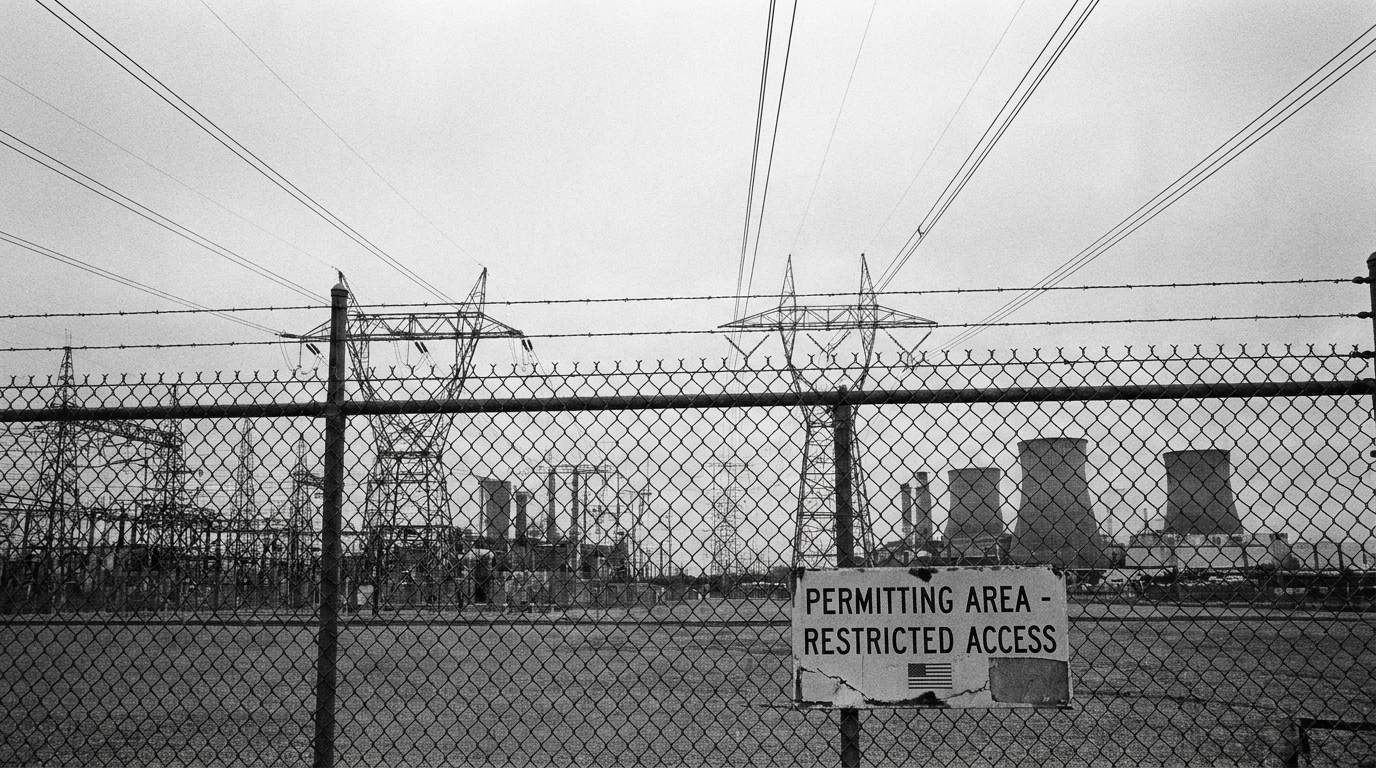
The Atlantic Council’s Global Energy Agenda argues that the United States has the fuel resources to meet rising energy demand but lacks the infrastructure and permitting processes needed to connect supply to consumers. The analysis, published by the Washington, D.C.-based think tank, frames the problem as one of moving energy — across pipelines, transmission lines and export facilities — rather than finding it.
Authors describe multiple choke points where production and consumption are out of step: regional mismatches between where fuels are produced and where they are consumed, insufficient transmission capacity inside power grids, and slow approval timelines for pipelines and interconnections. They say these barriers limit the country’s ability to translate domestic abundance into economic advantage or stable prices for customers.
The paper highlights permitting as a central policy lever. It calls for targeted reforms that preserve environmental safeguards while shortening the time needed to approve transmission projects, pipelines and export infrastructure. Federal coordination across agencies and clearer timelines are presented as ways to reduce delays without sidelining review standards.
Infrastructure limits, not resource scarcity
The report emphasizes that the United States’ challenge is logistical: producing enough energy but failing to move it efficiently to demand centers. That gap appears across fuels and technologies — from natural gas movement to electricity transmission for renewables — and can leave regions exposed to price swings or localized shortages even when national supplies are ample.
To address that imbalance, the analysis outlines options that include streamlined federal permitting pathways for projects that meet defined reliability or public-interest tests and stepped-up investment in transmission capacity. It also notes the importance of siting reforms and clearer rules for state-federal interactions on cross-jurisdictional projects.
Policy levers and trade-offs
Authors warn that speeding approvals requires trade-offs between speed and scrutiny. They recommend preserving environmental review and permitting transparency while tightening statutory timelines and improving agency capacity to process applications more quickly. The analysis points to coordination gaps among federal agencies that can lengthen project timelines and suggests administrative fixes to improve interagency review.
The Atlantic Council frames these reforms as complementary to supply-side strengths: if the United States can reduce the time and cost to build transmission, pipelines and export infrastructure, domestic production will have clearer pathways to markets, including international buyers where relevant.
For Washington, policy change could mean a heightened role for federal regulators and a renewed focus in interagency forums — changes that would affect the Department of Energy, the Federal Energy Regulatory Commission and other agencies that sit in the capital. The think tank positions permitting reform as a near-term, actionable policy agenda that would leverage existing U.S. resource advantages.
What to watch next are administrative moves and legislative proposals that tie permitting timelines to clear benchmarks, along with budget requests to boost agency permitting capacity. Observers will be watching whether federal policymakers prioritize coordination and statutory fixes in the coming months.