Smithsonian Spotlights the 'Uncle Sam Diamond' at the National Museum of Natural History
Discover the Uncle Sam Diamond at the Smithsonian National Museum of Natural History, a premier destination for rare gem and mineral displays.
Sophie McAlister ·
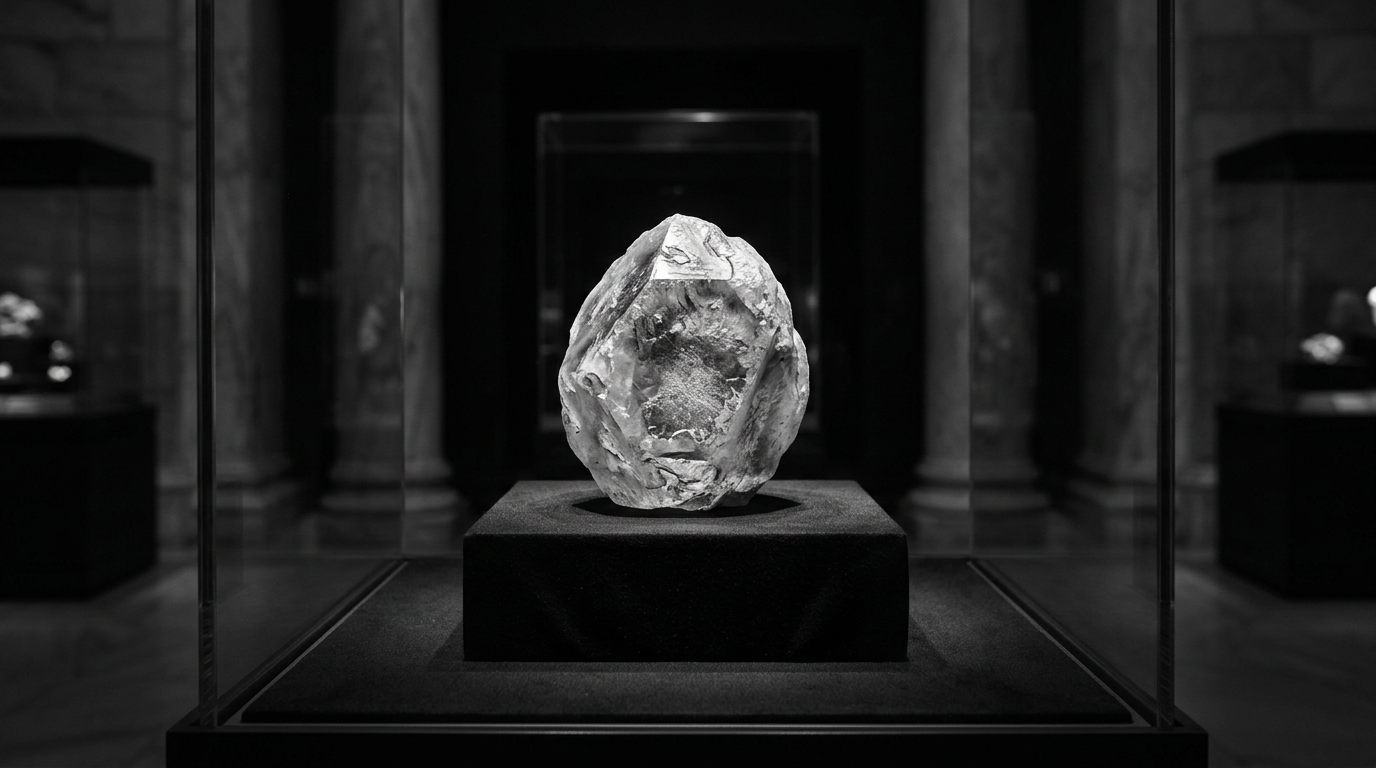
The Smithsonian National Museum of Natural History currently lists an object titled the "Uncle Sam Diamond" among its holdings, according to the museum's public item listing. The museum sits on the National Mall in Washington, D.C., and hosts rotating and permanent collections that draw millions of visitors annually.
The entry for the Uncle Sam Diamond appears as part of the museum's publicly accessible records of objects and specimens. The institution maintains a long-standing reputation for collecting and interpreting geological and gemological material, and its collections are a regular feature of the museum's exhibitions and online catalogue.
Where the Uncle Sam Diamond fits in the museum's collection
Details published alongside the listing identify the item by name but do not provide extensive narrative context in the title alone. The museum's broader gem and mineral holdings have historically been displayed in the museum's public halls and documented online for researchers and visitors. The listing is one of many catalogued objects that illustrate the breadth of the museum's material culture holdings.
Smithsonian museums commonly publish object records to support research, public education, and curatorial transparency. These records can include provenance, physical description, and accession information when available; however, not every catalogue entry contains a full interpretive label in isolation.
Implications for visitors and the DC cultural scene
For Washington, D.C., cultural programming and tourism, new or highlighted entries in the Smithsonian collections help sustain the National Mall's role as a magnet for domestic and international visitors. Objects such as the Uncle Sam Diamond can be used by curators and educators to refresh exhibits, create themed displays, or support outreach and digital engagement around geology, material culture, and collecting practices.
Museum listings also serve as discovery tools for local researchers, teachers, and tour operators who plan visits and educational programs in the city. The Smithsonian's online records increasingly function as both research resources and promotional touchpoints that guide visitor interest before people come to the Mall.
Forward-looking: Watch for any updates from the museum about the object's exhibit status or expanded catalogue details; changes to display or new interpretive material would likely appear on the museum's public pages or announced through its programming channels.