Severe Drought Forces Major Transit Restrictions at Panama Canal
The Panama Canal is reducing daily transits from 36 to 32 due to severe drought, impacting global shipping through April 2024.
Atlas Newsdesk ·
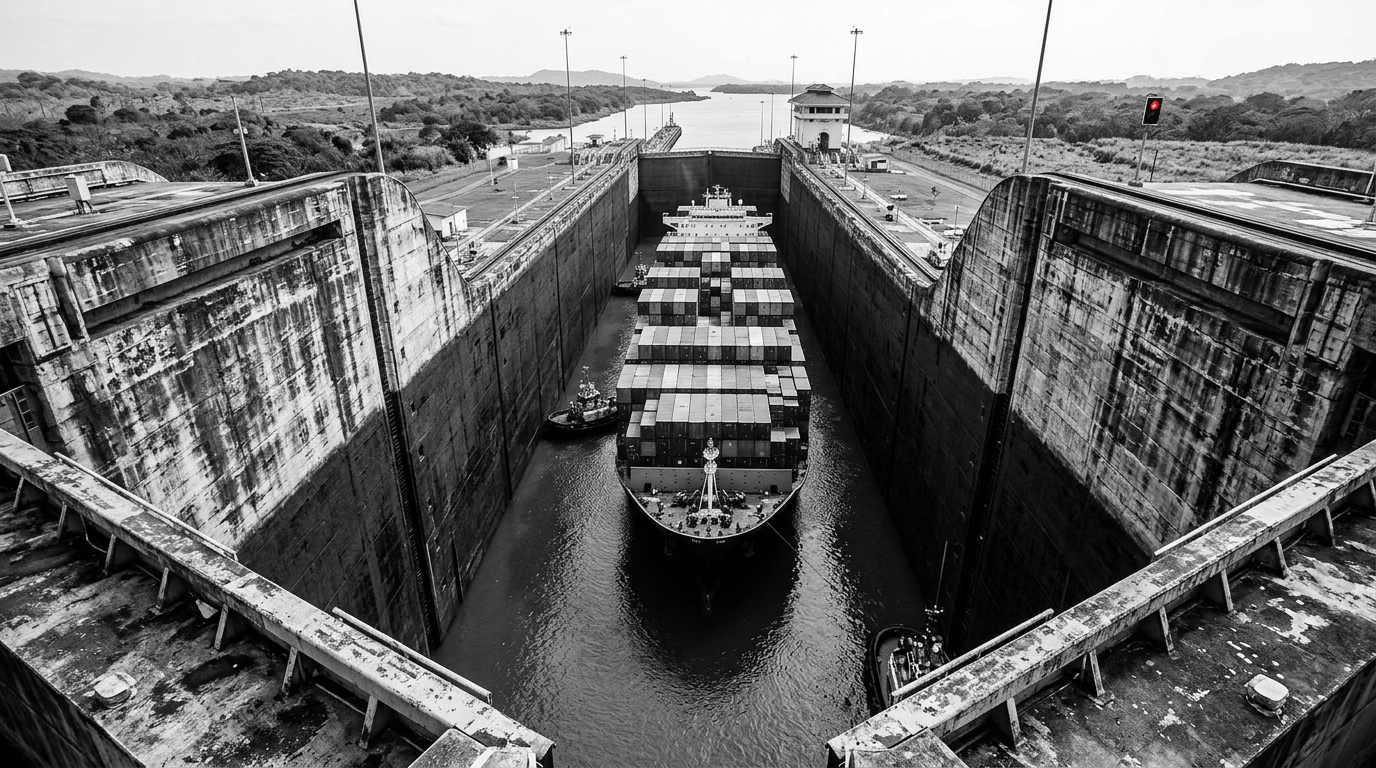
The Panama Canal Authority is implementing a reduction in daily vessel transits, lowering the number from 36 to 32, a measure set to take effect by mid-September. This operational change directly responds to significantly decreased water levels in the waterway, primarily caused by an ongoing severe drought in the region. Rainfall across the canal's watershed has been 34% below its historical average, with water inflows experiencing an even more substantial reduction of 44%.
Officials anticipate these transit restrictions will persist throughout the upcoming dry season, which typically extends until April 2024. The reduction in available transit slots, alongside existing draft limitations already imposed on larger Neopanamax vessels, is expected to increase waiting times, particularly for ships that have not secured advance bookings.
Currently, non-reserved vessels face average waiting times of eight days, a figure that could climb further under the new restrictions.
Operational Adjustments and Potential Impacts
To mitigate the effects of the water scarcity, the Canal Authority has introduced a modified auction system. This system aims to prioritize certain cargo categories, particularly container ships, to optimize the use of the limited water resources.
The primary is to maintain the flow of essential goods while ensuring water conservation. However, authorities have also issued warnings that the entire transit reservation system could face additional suspensions if environmental conditions deteriorate beyond current projections, adding a layer of uncertainty for global shipping.
The operational challenges are further complicated by ongoing legal disputes. A notable case involves a terminal operator seeking damages amounting to $1.5 billion. This claim stems from the state's seizure of significant port assets, introducing legal uncertainty into the canal's operational environment.
Broader Global Trade Implications
The Panama Canal serves as a crucial artery for international maritime trade, facilitating connections between the Atlantic and Pacific oceans. Its operational stability directly influences global supply chains, affecting shipping costs and delivery schedules worldwide. The current water scarcity and associated transit limitations present considerable challenges for businesses reliant on this vital waterway, which handles approximately 5% of global maritime trade.
This situation underscores the increasing vulnerability of critical global infrastructure to climate-related factors. The combination of logistical hurdles and unresolved legal issues creates significant uncertainty regarding the reliability of transits through the canal, prompting a need for adaptive strategies in international shipping and logistics planning.
Historically, the canal has managed water levels through a system of locks, relying on freshwater from artificial lakes like Gatun Lake, which are now under stress.
Historical Context and Future Outlook
Built over a decade and opened in 1914, the Panama Canal revolutionized global trade by eliminating the need for ships to navigate the treacherous Cape Horn. Its operational model is inherently dependent on significant freshwater reserves, making it particularly susceptible to climatic shifts. Previous drought events have also prompted transit adjustments, though the current situation is notable for its severity and anticipated duration.
The canal's capacity was significantly expanded with the opening of the Neopanamax locks in 2016, allowing larger vessels to traverse the waterway. However, the current water crisis highlights that even with expanded physical infrastructure, natural resource constraints remain a critical factor. The ongoing drought challenges the long-term sustainability and reliability of this key global trade route, prompting discussions about future adaptations and climate resilience measures.