Fatima Sana hits 15-ball fifty to set women’s T20I world record
Fatima Sana set a new world record for the fastest women's T20I half-century, scoring 50 runs in 15 balls.
Mehmet Şahinoğlu ·
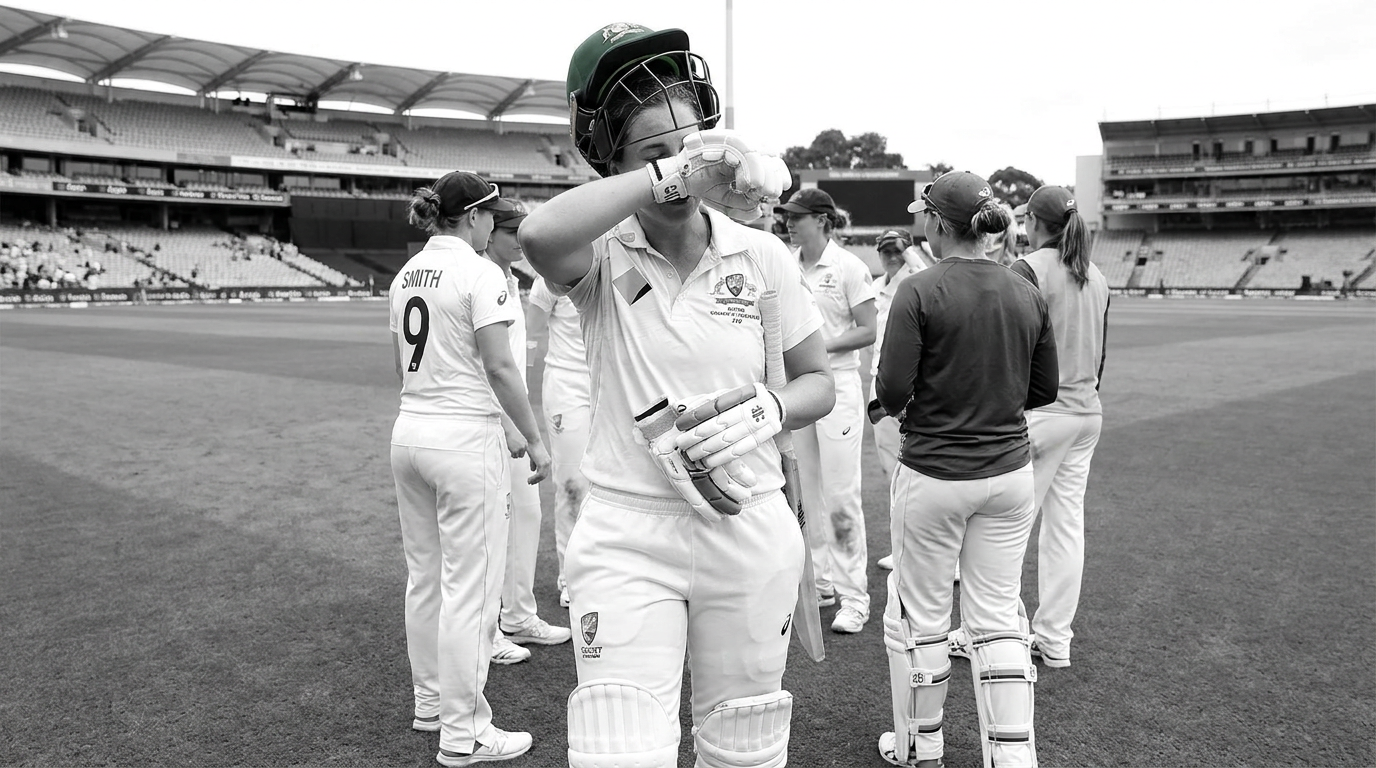
Pakistan captain Fatima Sana set a new women’s Twenty20 International benchmark on May 15, 2026, in Karachi, racing to a half-century off just 15 balls against Zimbabwe. The 24-year-old all-rounder hammered 62 from 19 deliveries at the National Stadium, striking 10 fours and two sixes to power Pakistan to 223-4. The 15-ball landmark eclipsed the previous fastest-fifty mark of 18 balls in women’s T20Is.
Zimbabwe were then bowled out for 90 in 17.1 overs as the hosts wrapped up a 133-run win to complete a 3-0 sweep. Sana was named Player of the Match for an innings that reset the format’s pace standard.
Pakistan elected to bat and held control throughout. Sana’s innings began at full tempo with a boundary from her first ball and never relented; match records listed her strike rate at 326, underlining the speed of the assault. The surge provided immediate separation on the scoreboard and left Zimbabwe’s response chasing a total that kept climbing through the middle overs.
The 15-ball milestone lowered the previous women’s T20I fastest-fifty mark of 18 balls. That record had been jointly held by New Zealand’s Sophie Devine, Australia’s Phoebe Litchfield and India’s Richa Ghosh, a trio whose efforts defined the format’s upper limit for power hitting. Sana’s return now stands alone atop that list.
The conversion from a rapid start to a match-shaping contribution proved decisive. Pakistan posted a formidable total with depth behind the top order, and their bowlers finished the job with regular breakthroughs to restrict Zimbabwe well short of three figures. The victory margin matched the tone of the batting effort: assertive and controlled.
Beyond the raw speed, the knock illustrated the value of early-overs aggression when conditions allow. Pakistan’s top order capitalised on the start, and Sana’s clean striking widened the gap before Zimbabwe could adjust fields or lengths. It was the type of up-front acceleration that can tilt a T20I inside the first phase of the innings.
Record rewritten in Karachi
Fifteen-ball surge lowers 18-ball benchmark
Sana’s 15-ball half-century eclipsed the 18-ball standard that had defined the women’s T20I record book. By trimming three deliveries off the mark, she reset expectations for how quickly a batter can seize momentum at international level. The separation from the previous benchmark also reflects how decisively she found boundaries from the outset.
The National Stadium innings featured 10 fours and two sixes, with the scoring spread across both sides of the wicket. The clean hitting against pace and spin alike forced Zimbabwe into reactive fields, while Pakistan’s run rate climbed beyond a chaseable range. With the total at 223-4, the hosts had more than enough on the board to let their attack press home the advantage.
Captaincy and recent form
All-round returns underpin leadership
Sana’s batting has notably strengthened since taking on the captaincy, and the Karachi performance extended that trend. Outside T20Is, she has recorded two one-day international half-centuries against World Cup finalists South Africa, reinforcing her value across formats. The leadership role has coincided with a more authoritative presence at the crease.
Her all-round impact has also been sustained in recent weeks. Across her last 10 limited-overs matches, Sana has compiled 283 runs and taken 18 wickets, a return that underlines her centrality to Pakistan’s white-ball plans. She added one wicket to her tally in Karachi to cap a dominant team display.
Pakistan will aim to carry the clean-sweep form into upcoming limited-overs assignments, with focus on maintaining batting tempo around an in-form captain. Opponents will now plan specifically for Sana’s early-overs threat, making Pakistan’s supporting options and flexibility key talking points for the next series.